Whimsical Warriors: The Protective Legends Of Traditional Alpine Implements

April 21, 2024
source: Etsy
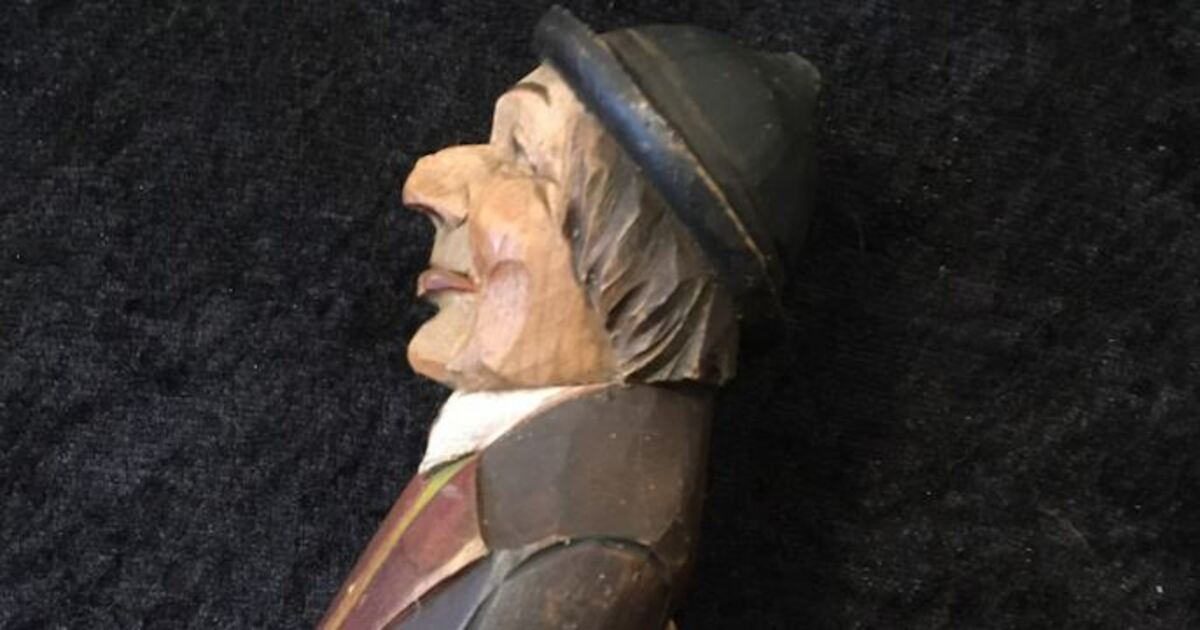
A staple in many European households, particularly those in the Alpine regions of Germany, Austria, and Switzerland, the vintage Alpine nutcracker is as much a utilitarian tool as it is a cultural icon. Traditionally crafted from wood and often ornately decorated, these nutcrackers have a rich history that dates back to the 15th century, serving both as a practical household implement and a cherished collectible.
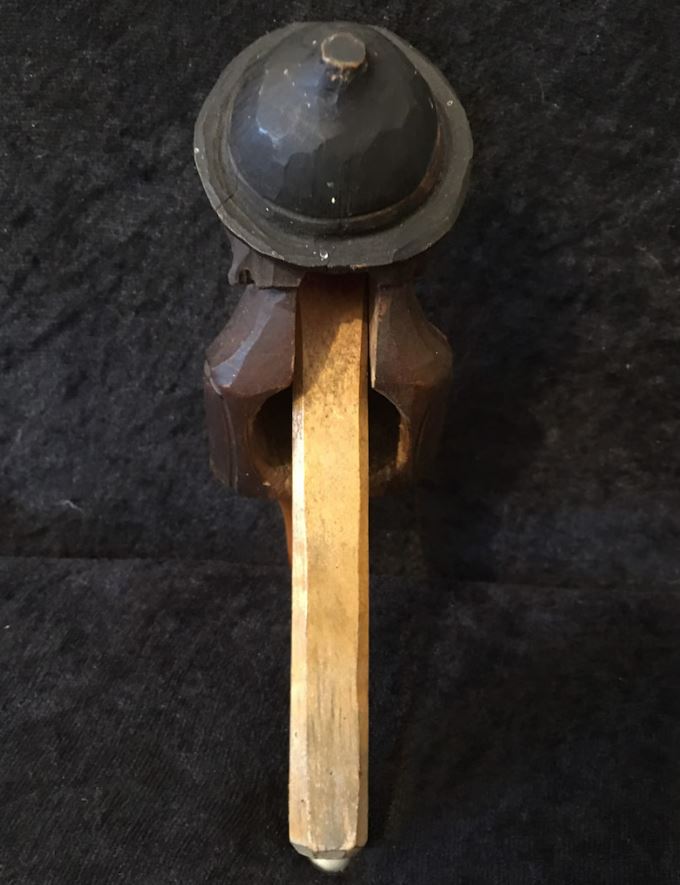
The design of the Alpine nutcracker is distinctive, typically featuring a robust, leveraged mechanism that maximizes force to crack open hard shells of nuts, especially walnuts, hazelnuts, and almonds which are abundant in European forests. The classic depiction often includes whimsical, human-like features, with strong jaws that the user operates by a lever at the back of the figure. This design not only makes them effective tools but also charming decorations. Over the years, these nutcrackers have been crafted to depict various figures from folklore and tradition, such as soldiers, kings, and woodsmen, reflecting local legends and the woodcarving skills prevalent in mountainous Alpine regions.

The Alpine nutcracker transcends its practical use. It has become a symbol of hospitality and good cheer, particularly around Christmas time. According to folklore, nutcrackers represent strength and power, with their fierce teeth serving as a protector of the family and its fortunes, warding off evil spirits and danger. The act of nut cracking itself is often a communal and festive activity during the winter months, where families gather around to share stories and enjoy an abundance of seasonal nuts.
Using a vintage Alpine nutcracker involves placing a nut in the mouth of the nutcracker and lowering the lever to exert pressure, which cracks the nut’s shell to reveal the edible seed inside. This method of cracking nuts is not only efficient but also preserves most of the nutmeat without shattering it, which is often a downside of modern nut cracking tools.
To maintain a vintage Alpine nutcracker, it is important to handle it with care to preserve its functional and aesthetic qualities. Wood, being susceptible to temperature changes and humidity, should be kept in a stable environment to prevent cracking or warping. Regular dusting and occasional polishing with wood-friendly products will keep the nutcracker looking its best. Vintage Alpine nutcrackers are cherished not only for their functionality but for the stories they tell and the traditions they uphold. hether used as a tool to crack nuts during festive seasons or admired as part of a collection, these nutcrackers continue to crack open a slice of history, bringing joy and tradition into contemporary homes.