What We Found Behind This Old Wall Will Amaze You!

August 1, 2024
Source: FB/Suzanne Cullen
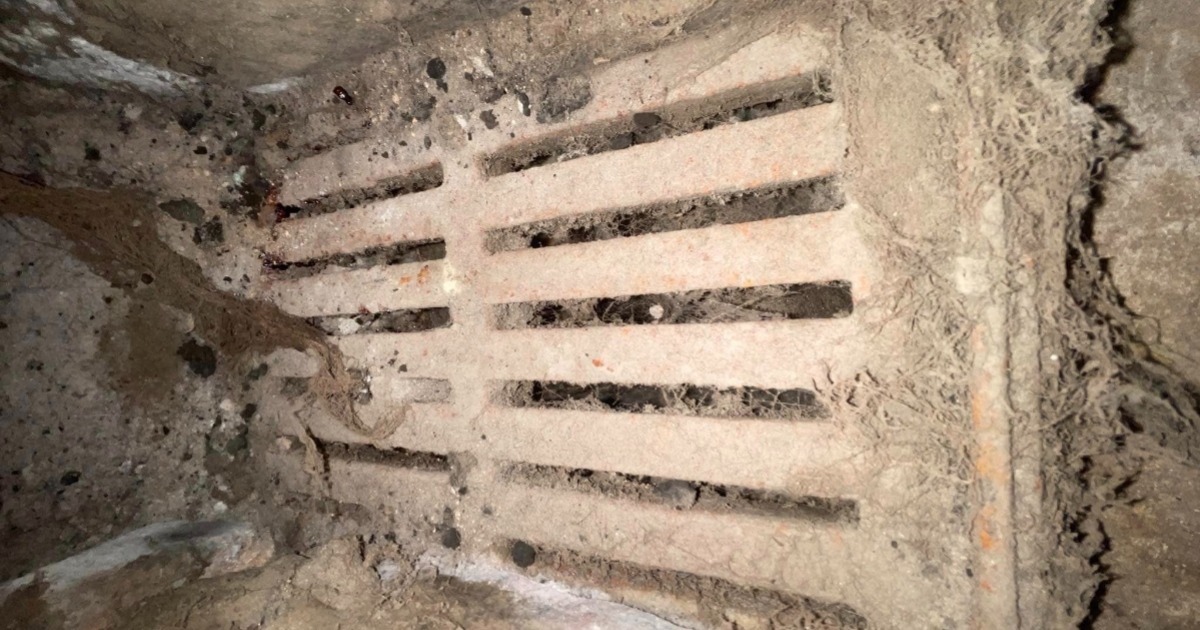
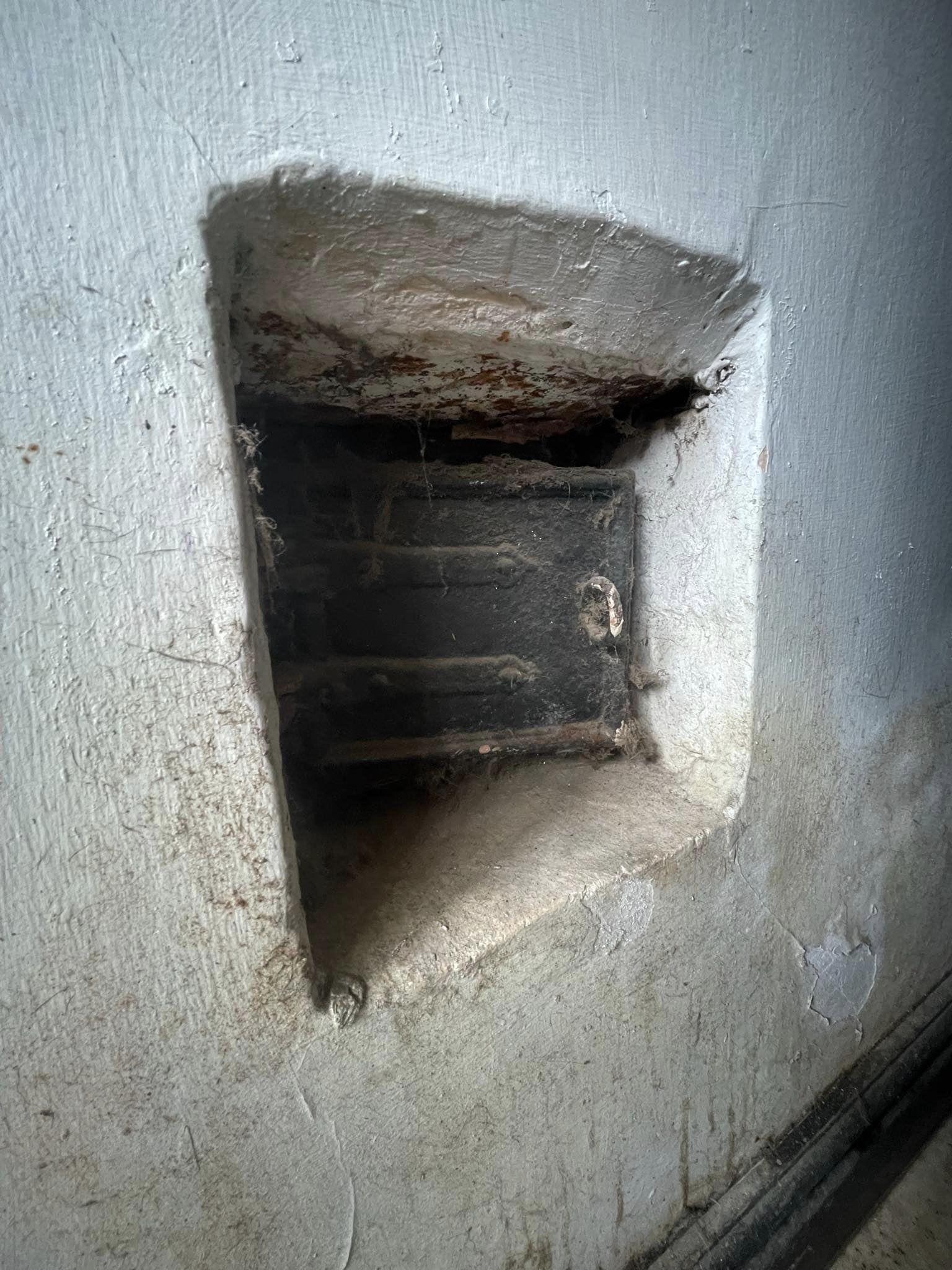
Yes, there are some special feelings about old houses, don’t you think so? The groaning of the floor, the hissing of the walls, the corners designed for hiding and the stories they could tell if they could only speak. This is especially so when such tales are found within her 300-year-old cottage such as the ash pit that was hidden away undiscovered.
I recall myself as a kid, and we used to go to my granny’s home; everyone knows that everything in that home has its story. Among the things I liked, there was a chance to explore the old coal-shed and guess how people lived when they had coal fires at home. This relic from my daughter’s cottage reminded me of that epoch of people’s lives when they focused on the basics – the hearth and home.
Long forgotten and hidden behind layer of dust and cobwebs, the ash pit is proof of how people of the past lived and solved their problems. During the era when there was no central heating or comfortable appliances, it was rather a task to deal with ash and soot. The ash pit was a usual part of many households and it was used for the purpose of proper disposal of the remnants of the coal and wood fires.
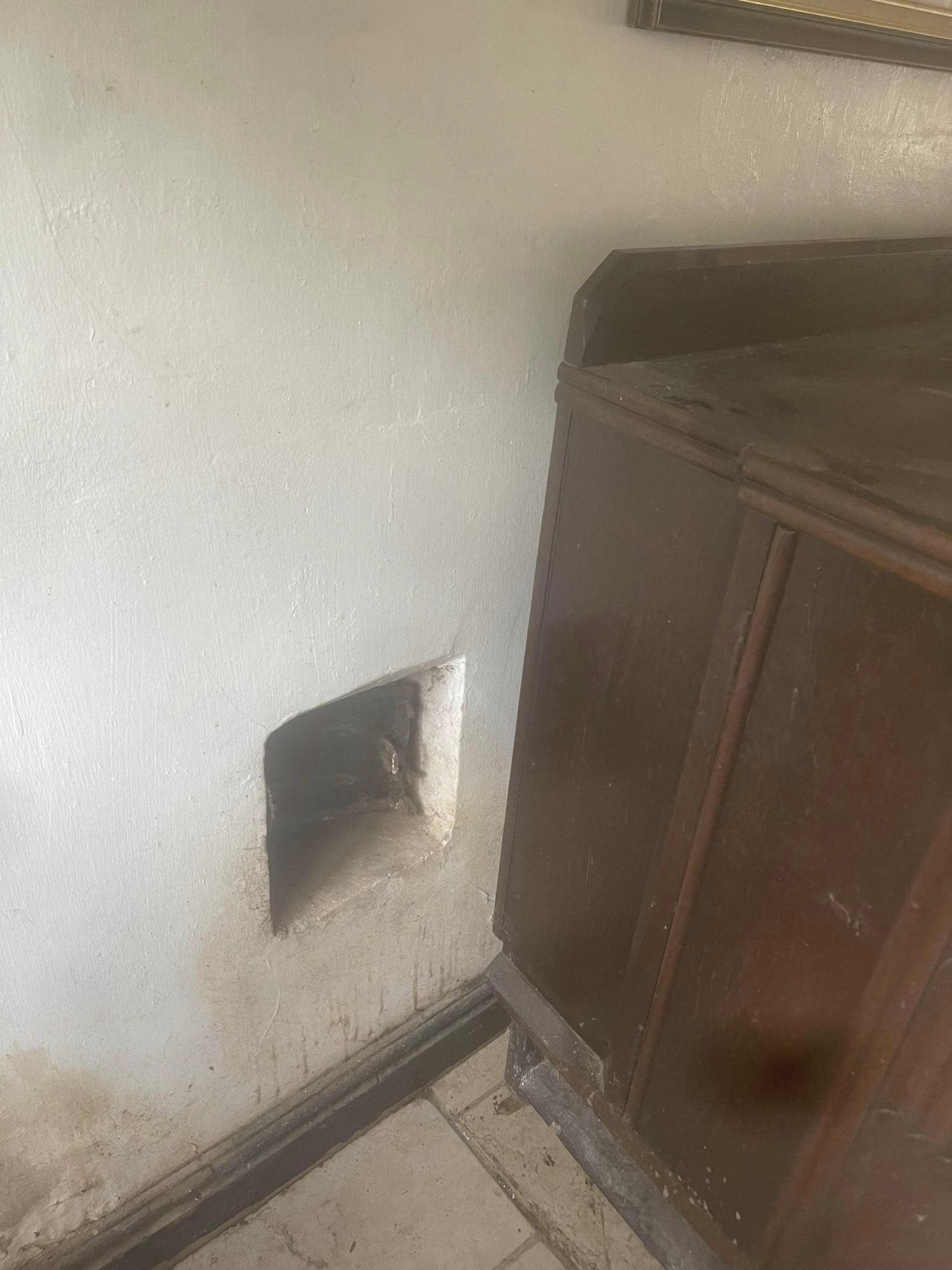
Such holes were arranged next to fireplaces or stoves, which were located mainly in the kitchen or the central room of the dwelling. The grate design was to let out the small ash while retaining the bigger chunks of coal or wood. This ensured that there was no spillage of ash from the fireplace while cleaning to different parts of the house. Think about the task of maintaining the fire, then scooping the ashes into the hole with great care, which was also a way of warming the house and cleaning it.
Thus, the ash pit served not only as a functional object in the 18th and 19th centuries, but also as an illustration of the era’s daily life. Heating of homes was done with coal or wood and so the ash pit was a must have. It depicts a time when people were in direct contact with objects and things in their environment and each activity was accompanied by its tools and techniques. This pit is however now an abandoned and a dusty structure which was formerly very crucial in the activities of the household.
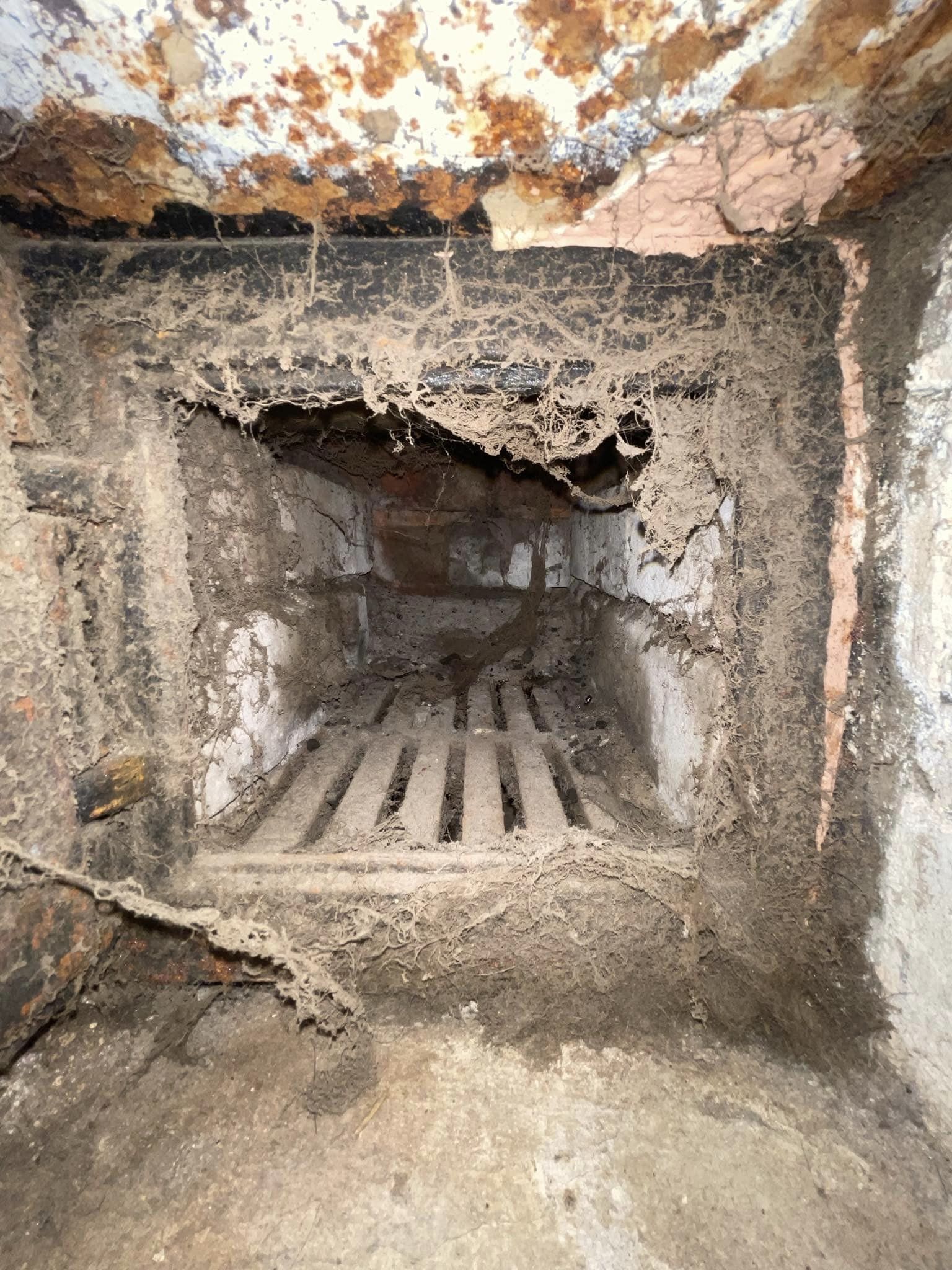
These pits also underpin the cultural significance of the hearth and how it was a central part of people’s lives. The fireplace was a center of the house to cook food, to warm up, and gather the family members. It was the living area where members of the family gathered to tell tales, to cook and to retire to after a days work. Thus, the ash pit, however simple, was an important part of this core area of the house and played its role in the functionality of the home.
The ash pit in my daughter’s cottage brought us in touch with the physical realities of living in an old house but, more than that, with the coziness and togetherness that such houses provided. It is rather comforting to find these fragments of history and realize that they were an essential part of people’s lives in the old days.
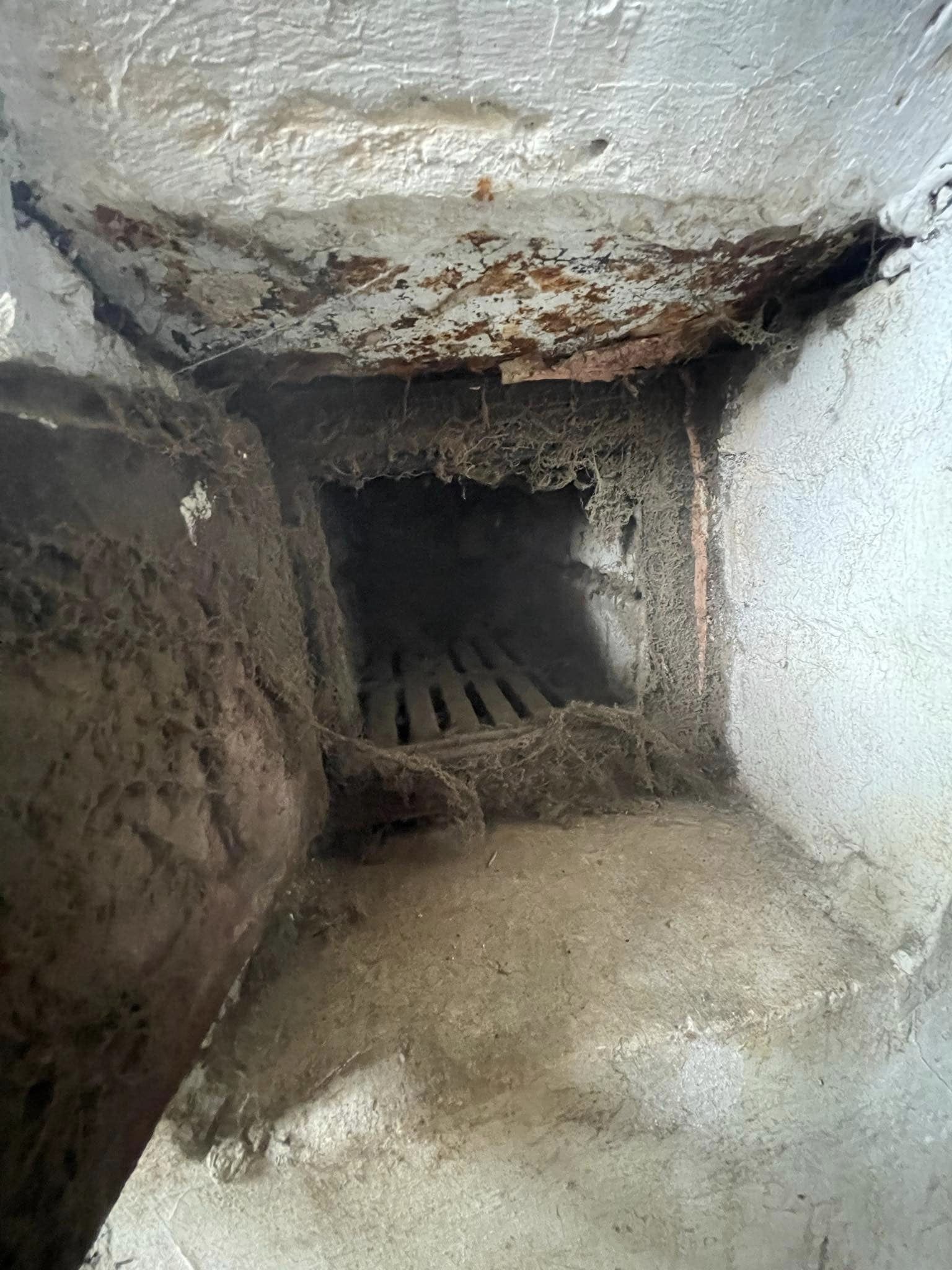
Although nowadays it is not a big deal to switch on a heater, one should not forget the efforts of the previous generations. The ash pit is a symbol of when houses where heated manually and with creativity, when the stove was the center of attention in every house.
Discovering such an artifact in what could be a few hundred year old cottage is really the only chance to get a closer touch to the past. It provokes interest in the lifestyle and occupation of people who once existed in the society. The ash pit which was used to put ash of the woods when they were burned for cooking is today a historical object that makes one remember the good old days when there was warmth and people were strong.
Therefore, the next time you visit an old house, spare some time to listen to what the house has to say. Perhaps you could come across something that has a history behind it, something that ties you to the past and brings a fuzzy feeling to your heart.