Unlocking The Mystery Of Vintage Sloped Shelves

December 17, 2025
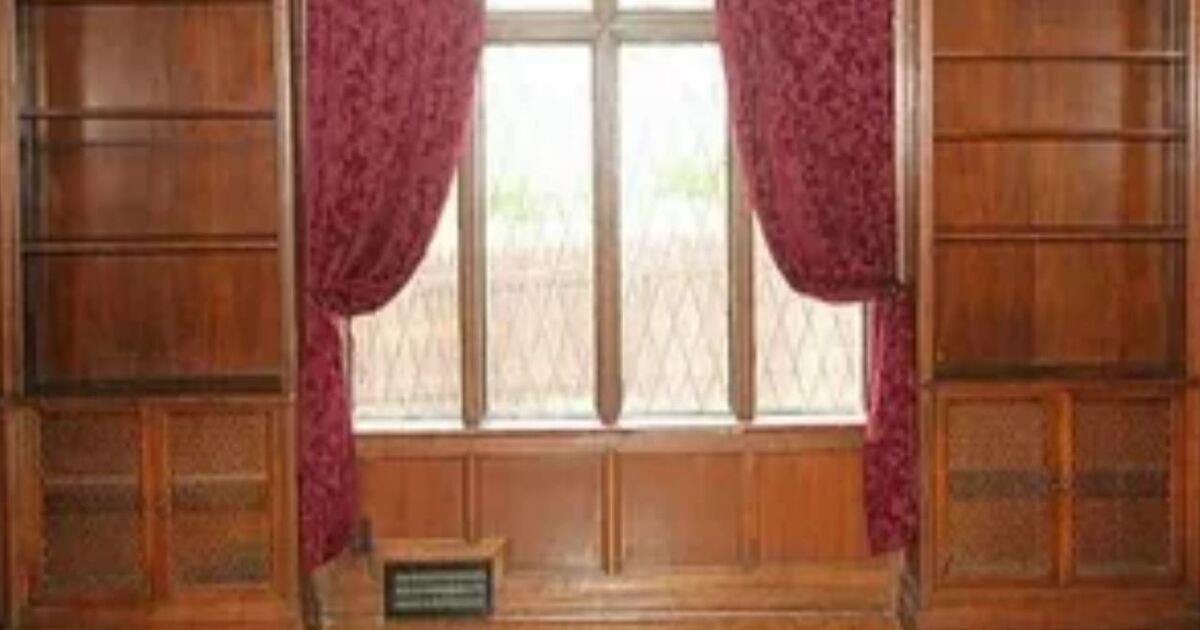
source: Reddit
Eventually, each house has its own story to tell in an unusual way. The story might be in the form of a button behind a sconce, the telephone nook in the hallway, or the unique slant of vintage sloped shelves. Those who live in or visit houses built from 1930-1940 may notice the sloping shelves in vintage built-ins. These shelves are part of the subtle clues that direct them to the “Golden Age” of home entertainment.
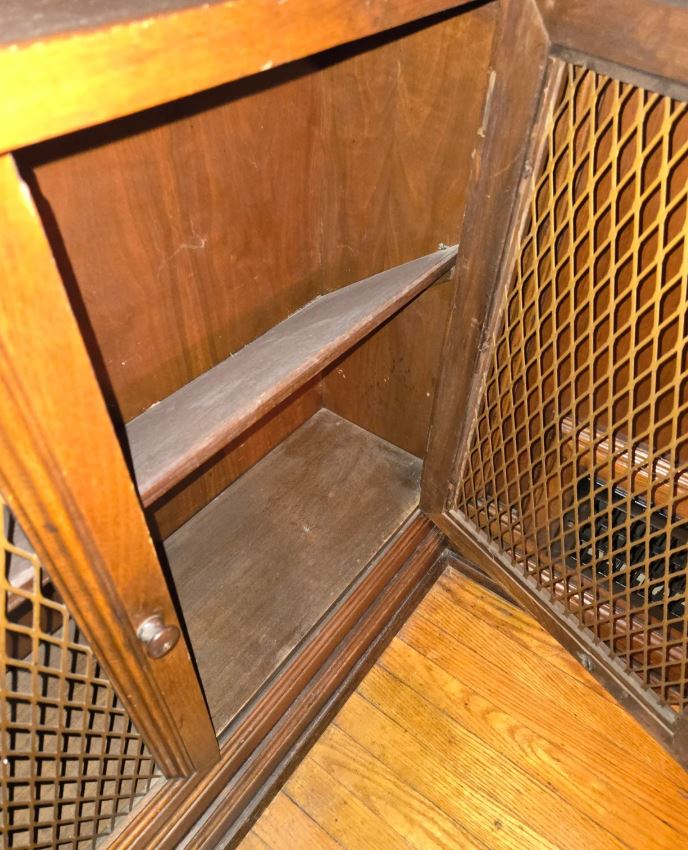
To the naked eye, the vintage sloped shelves and their compartments (usually found behind mesh-covered doors in large book cases), seem like they are poorly designed. The angle of the compartments does not allow books to stand upright. The shelves are unable to hold anything of weight because of their slope. Why would someone put a mesh cover over the compartment?
Music. Vinyl Records specifically.
A Place for the Music of a Generation
In the 1930s and 1940s owning a console radio/phonograph represented being modern. Before TV came along, and before there was digital streaming, the radio and record player sat at the center of American living rooms. They brought swing, jazz, classical, and eventually rock ‘n’ roll right into the home.
Many of the custom made furniture pieces that surrounded these special devices were made as separate units. They surrounded the phonographs/radios, giving the homeowner extra options. Many mid-western homes, especially those built between the two wars, featured elaborate entertainment systems. These systems were built into the walls of their homes and included the unique and somewhat obscure vintage sloped shelves.
The sloping shelves were designed to perform in a very specific way:
- To tilt back far enough so that the record albums could sit upright.
- To allow for easy access to and selection of individual 78 rpm or early LP records.
- The mesh covered doors also provided air circulation to help cool down the electronic components inside the system, such as vacuum tubes.
Mesh Doors
The decorative mesh panels covering the compartments served a purpose beyond just looking good. The mesh panels often hid speakers or other components, such as tube-based amplifiers, which produced heat. The mesh panels let the sound go through unimpeded and helped prevent the electronics from overheating.
Whether the actual electronics were in the same room or were long gone, the design of the shelving unit gave a strong clue to what was in the room.
Functional Elegance
While the compartments were functional, they were also aesthetically pleasing. The compartments were designed to match the overall look of the home’s wood work and gave the living space an upscale feel. The compartments were usually located near windows and were accompanied by bookshelves giving a cozy feeling to invite socializing.
The sloping shelves in vintage built-ins were more than just a storage solution. They showed that:
“We love music, we love culture, we have made room in our home for it.”
Encyclopedias?
There is a popular theory regarding the intended use of the vintage sloped shelves as encyclopedias. Most encyclopedias are generally stored upright on flat, wide shelves. Thus, the sloping shelves were impractical for this type of item. If the shelves are sloped backward and the compartment is too narrow for standard-sized books, it is highly unlikely that they were meant to store reading material.
Consider a person in the 1940s picking up a Glenn Miller record, putting a needle on a Bing Crosby record, and filling the room with the warmth and nostalgia of analog music.
Reviving and Re-Purposing Today
If you are lucky enough to reside in a home that has built-in features such as this, you may want to revive it as a testament to its past. You can choose to keep vinyl records in the compartments, or you can be creative and come up with ways to re-purpose the compartments:
- Store a modern turntable setup.
- Create a visual display using vintage record sleeves as art.
- Change it to a hidden compartment for storing board games or barware, keeping the original vintage sloped shelves.
With a little creativity, you can bring new life to old designs, honor the craftsmanship of the past, and adapt to your needs today.
A Quiet Nostalgia of Better Times Past
Not all relics of the past are immediately visible. Nevertheless, these small, sloping shelves tell the stories of families gathered around a record player listening to music, talking, and quietly spending time together. At a time when there were no screens or endless scrolling, the record cabinet, including its vintage sloped shelves, was an essential part of daily life.