Uncovering The Artistic Legacy Of Ancient Greek Ceramics

April 25, 2024
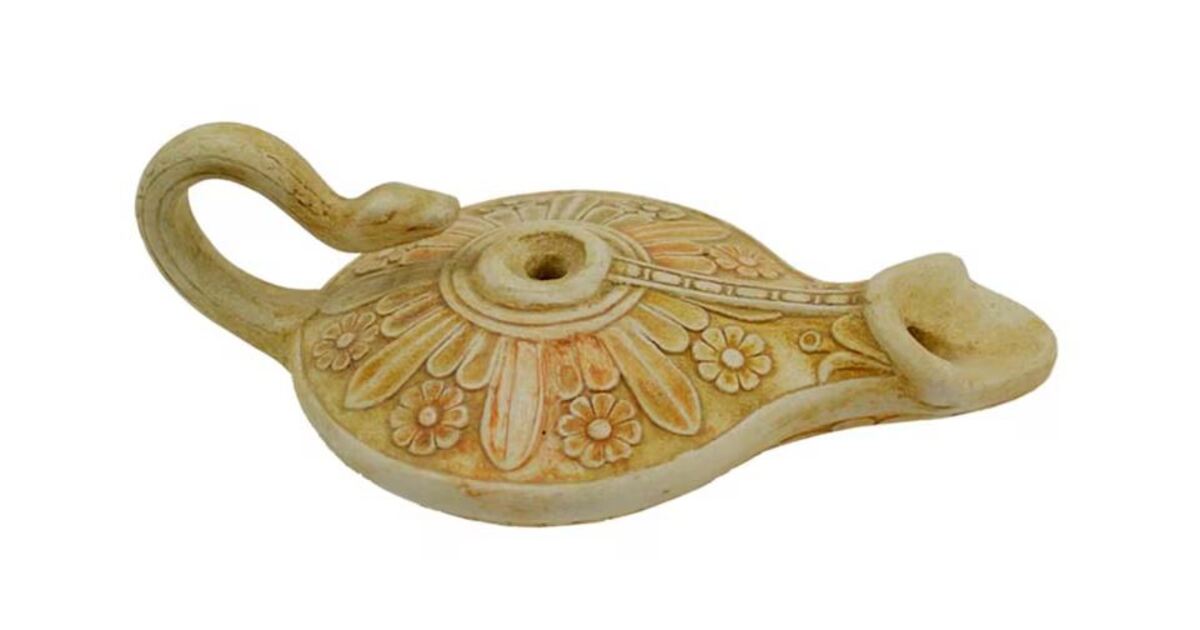
source: Etsy
The Greek oil lamp, an artifact steeped in history and culture, offers a fascinating glimpse into the daily lives and spiritual practices of ancient Greece. These small yet significant lamps played a crucial role in both everyday life and religious ceremonies, providing light and serving as symbols in various cultural rituals.
Greek oil lamps were primarily made from clay, although bronze versions are also found in archaeological records. The typical design features a flat, circular body with a central reservoir for oil—usually olive oil, which was abundant in the region. One side of the lamp would have a pinched or protruding nozzle where the wick was placed. The other side often featured a handle, though many designs were simple and lacked this element.
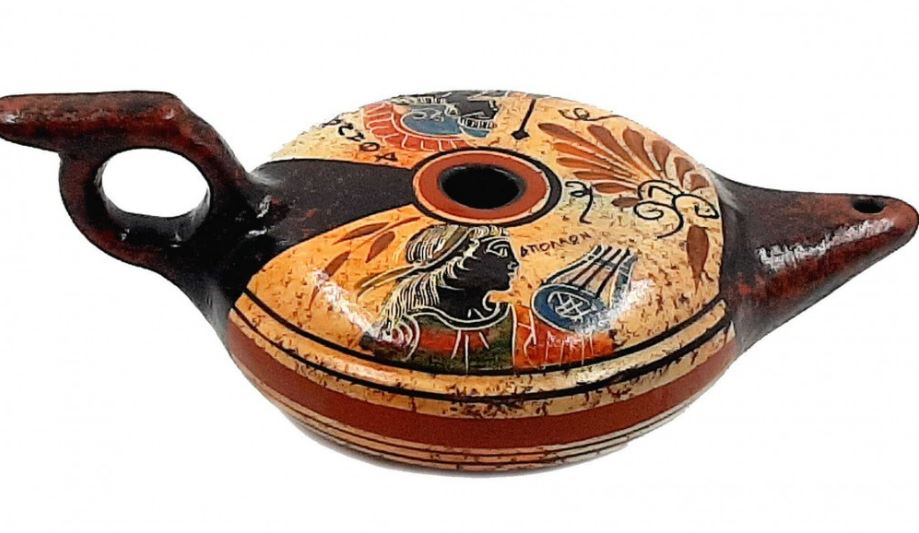
In ancient Greece, oil lamps were more than just functional objects; they were integral to several aspects of Greek life. In everyday life, these lamps were essential as they provided a reliable source of light during the evening hours. They were commonly used in homes, marketplaces, and workshops across Greece, illuminating tasks and extending productive hours beyond daylight.
Beyond their practical utility, Greek oil lamps held significant cultural and religious value. They were integral to various rituals and believed to hold protective properties. Lamps were frequently left burning in domestic and public shrines to honor deities and ensure divine presence and favor. During festivals and ceremonies, such as the Panathenaic Festival, oil lamps were used extensively. They illuminated processions and were used in rituals to symbolize the presence of light and fire, which were considered sacred. The lamps were also involved in burial practices, placed within graves as offerings to guide the deceased in the afterlife or to provide them light.
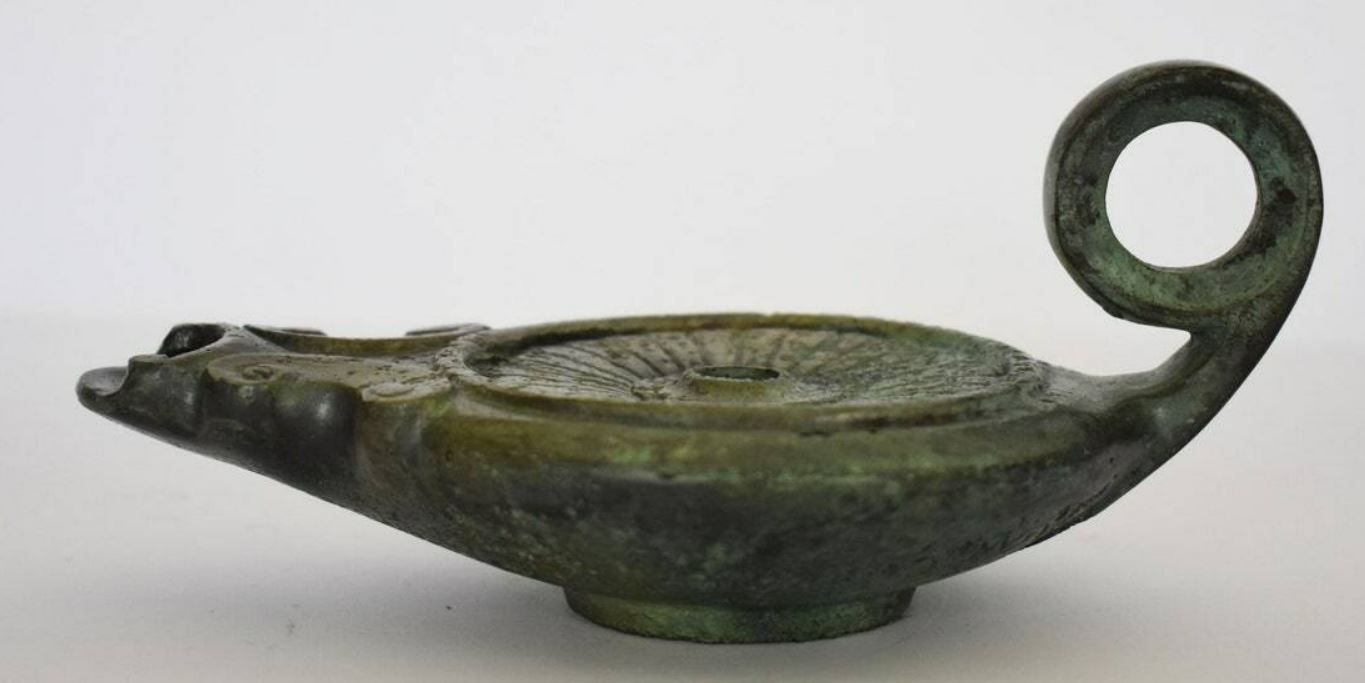
The Greek oil lamp exemplifies ancient Greek ingenuity in combining form, function, and decoration. It serves as a window into the past, providing us with a tangible connection to the everyday lives and spiritual practices of an ancient civilization, whose innovations in simple domestic items like the oil lamp continue to fascinate and inform even today.