Travelers Keep Bringing This Home – Here’s Why It’s Worth It

July 28, 2025
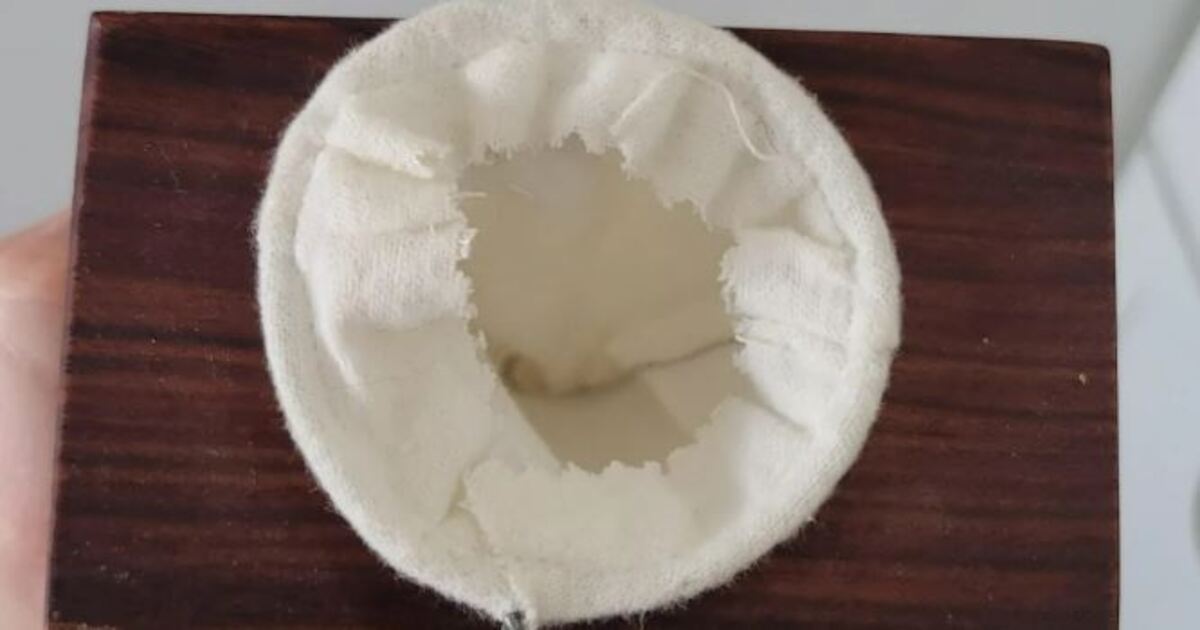
source: Reddit
If you’ve ever wandered through a Costa Rican market or stayed in a family-run bed and breakfast, it’s likely you’ve encountered an unusual coffee set-up — a wooden frame holding a cloth bag with a cup below to catch the fresh brew. This unassuming device is the Costa Rican pour-over coffee rig, affectionately called a chorreador. It is more than a coffee maker; it is a symbol of tradition, patience and the togetherness of yesterdays morning.
What Is a Costa Rican Pour-Over Coffee Rig?
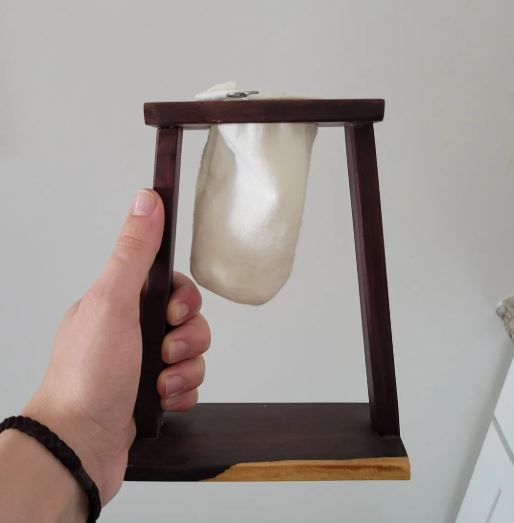
At first, it may look like a science experiment, or a DIY art project. Yet this humble one-sheet sheet is embedded in the very fabric of Costa Rican life. The apparatus is typically a wooden stand an elevated from the cup or pot cloth filter bag, known as a bolsita. Ground coffee is dumped in the bag, hot water follows and gravity and a few minutes take care of the rest.
I’m not talking about some high-tech coffee machine; no buttons, timers, or electricity are in consideration like the coffee makers of today. No one but you, hot water and the soothing ritual of steeping.
A Ritual, Not Just a Routine
But the process of brewing coffee in a Costa Rican pour-over system isn’t just about caffeine. It’s about slowing down. This method gathers family members in kitchens across Costa Rica every morning. You heat the water, measure the coffee with precision and pour slowly as the water percolates through the grounds and down into the cup.
There’s something meditative about it. Something to evoke simpler times — before pods, screens and getting-out-of-the-door-in-the-morning-at-breakneck-speed. And no wonder so many travelers become smitten with the process and get themselves one to take home as a remembrance of those tranquil mornings in paradise.
A Design Rooted in Simplicity
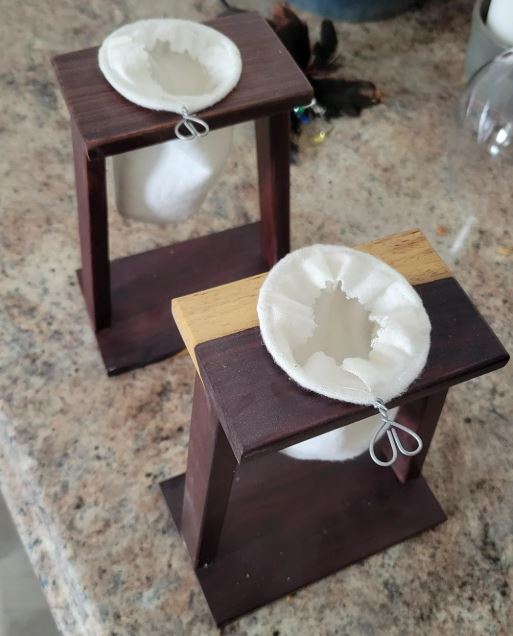
The wooden frame is most commonly made “in the round” of local wood such as cedar or laurel. Some are dark-stained and polished, while others have a more rustic or artistic look. The cotton, fabric filter is washable and frequently rinsed by hand between uses.
The filter darkens with use and the accumulated oils and flavors of the coffee brewed with it. In a lot of ways, it is the coffee’s story, or at least becomes the coffee’s story — aged and full of character.
And if it looks old-fashioned, its coffee is anything but. And yes, many coffee drinkers rave about the rich, smooth flavor it creates. Since the cloth filter is thicker than paper, it captures more oils and fines, which offers a clean but rich cup.
Nostalgia in Every Cup
This method instantly conjures Costa Ricans’ memories of grandparents brewing coffee before the sun has risen, of drowsy conversations around the kitchen table and of the rich aroma of fresh coffee filling the air hours before the world wakes up. It’s not simply drinking coffee — it’s an experience around coffee.
Even beyond Costa Rica, people who own a chorreador, many do so not just to brew coffee but to be part of a culture, and a feeling, that modern appliances simply cannot replicate.
A Sustainable Choice
Something I love about the Costa Rican pour-over coffee rig is that it’s eco-friendly. No disposable pods, no paper filters, no electricity. Just a cloth bag that could last for months and a wooden stand that could last a lifetime. It’s a small gesture that’s actually quite meaningful in terms of lessening waste — and participating in a time-honored tradition.
How to Use It at Home
Want to try it yourself? Here’s how:
- Boil water to 195–205°F (90–96°C) for best results.
- Add ground coffee to the cloth filter (I find a medium-coarse grind best).
- Evenly circle the hot water over the grounds, starting in the center and moving out.
- And then you can let it drip into your mug or carafe of choice.
- Enjoy; best when shared and lingered over on a lazy morning.
Be sure to rinse the cloth filter well after each brewing and allow it to air-dry.
Final Sip
That pour-over coffee thing from Costa Rica isn’t just a gadget; it’s a little reminder of how nice life can be when it’s slow. Amid quickie solutions and instant timing, this little wooden stand wants us to hit pause, to breathe and to glory in the art of a decent, properly steeped cup.