This Vintage Device Will Make You Rethink Modern Comfort

August 9, 2024
Source: eBay
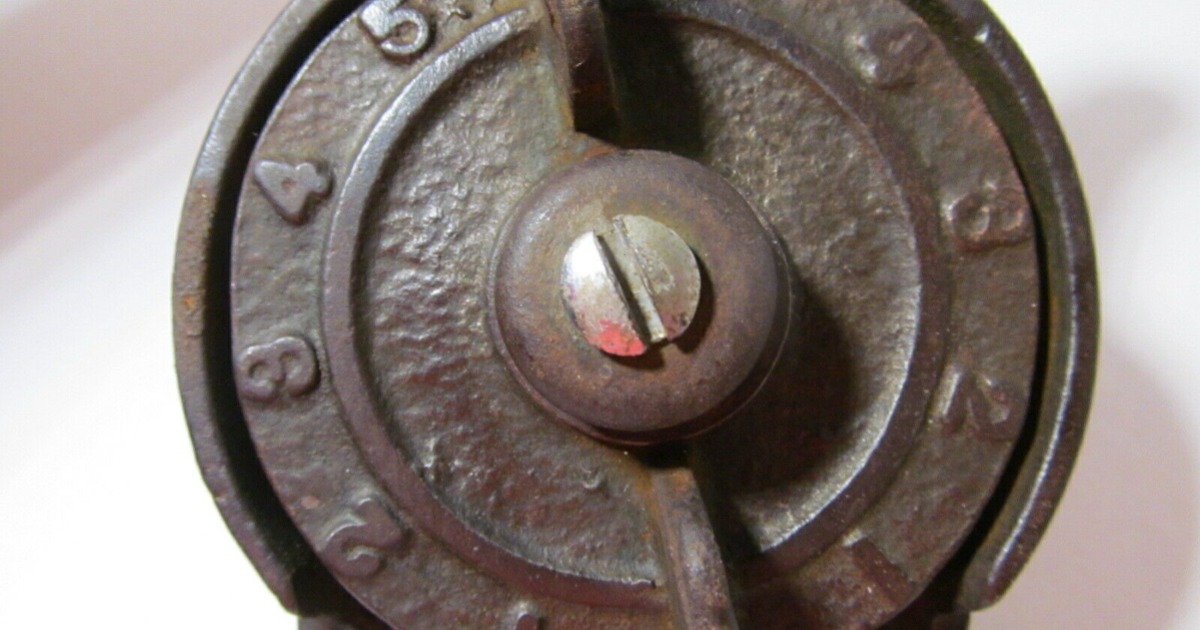
The feeling one gets when entering a warm house on a cold winter day can be quite reassuring. Oftentimes we can easily turn up the heat and warm up our homes, but how did our grandparents or even great grandparents do it? Perhaps most of us recall walking into our grandparents’ homes during the cold weather and being able to feel the warmth from the fireplace, hear the sound of steam from the radiators, experiences we associate with an older generation where heating a home was a bit of a science and an art. It is in the quiet time that one gets to unearth such gems like the Mueller Draft Control, apparatus used in regulation of homes’ heating system in the early part of this century.
The Mueller Draft Control made in the early to mid-teens is a classy piece that not only presents a vintage look, but is also a reminder of the days when regulating heat in a home was no easy task. Picture that in stead of having a simple knob to set the temperature of your house you have to regulate the airflow to the furnace to get the desired heat. This was the situation that regarded the homeowners of the early 1900 and to make it a easier, the Mueller Draft Control was used.
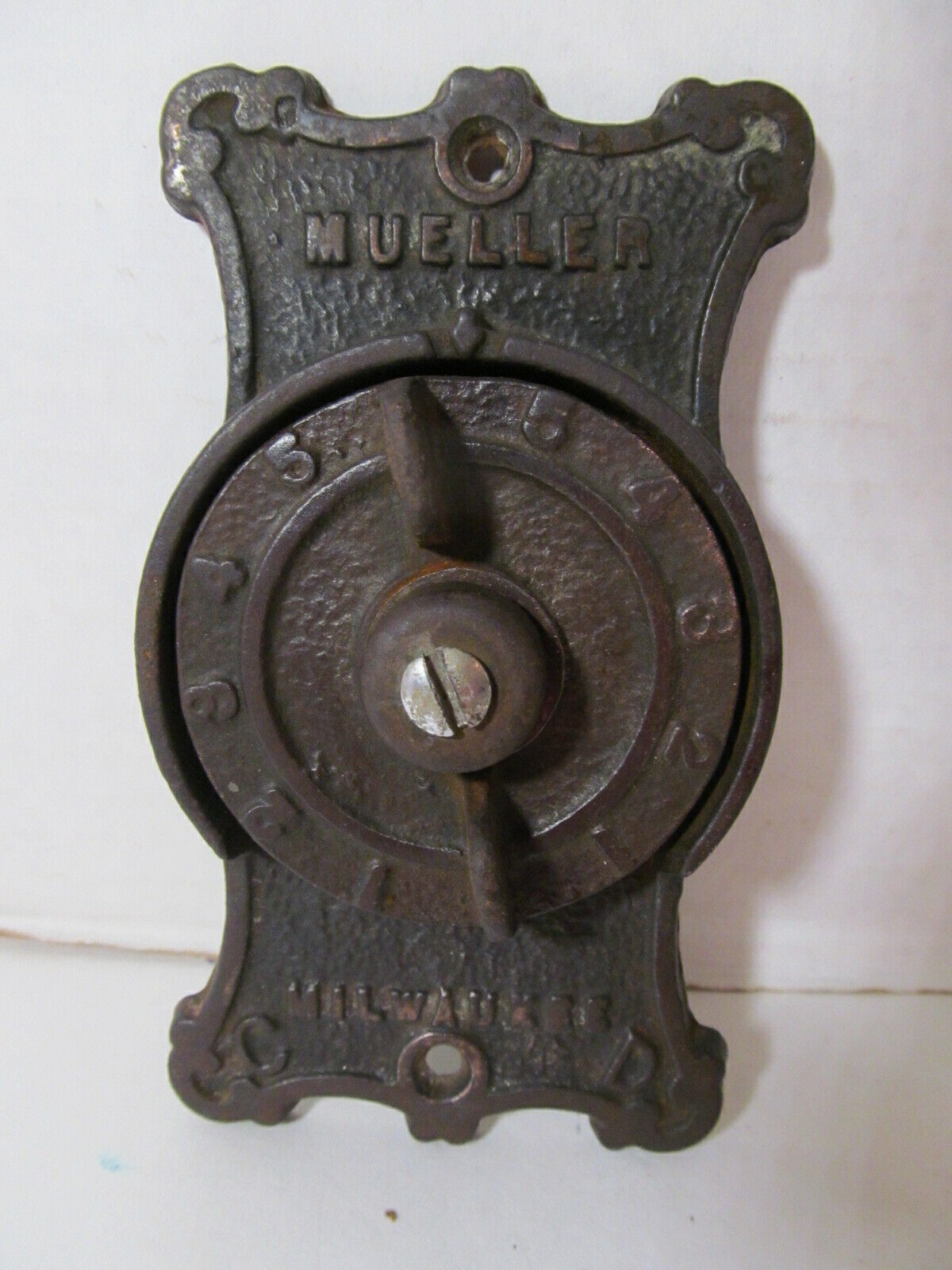
This wall-mounted appliance was designed to heat the house and was made of cast iron and was sometimes chrome plated; it was as much a work of artistic design as it was a piece of home heating innovation. There was a dial in the control panel that enabled one to control the draft that is the amount of air supplied to the fire in the furnace to control the temperature in the house. It is easy to see why such expressions as “Crank up the heat!” have remained popular; they are the remnants of an age when the performance of such a simple task would lead to a tangible increase in the comfort level of the house.
The Mueller Draft Control was not just a technical device, it was a symbol of societal transformation of the period in question. Along with the expansion of cities and the complexity of houses and their structures, the need for better heating systems also rose. The early part of the twentieth century was a time of innovation and it was during this period that devices such as the Mueller Draft Control were introduced to meet the changing needs of the home.
At this time, heating systems with ducts were being installed instead of fire places and stoves that had been used to warm up homes for many years. The use of steam and hot water radiators provided a more even and efficient heating system but at the same time, new means of control was needed. Mueller Draft Control was among such innovations of the 1970s and 1980s, which gave the homeowners the ability to make some fine adjustments to their heating systems and regulate the temperature to make their homes warm and cozy in the winter season.
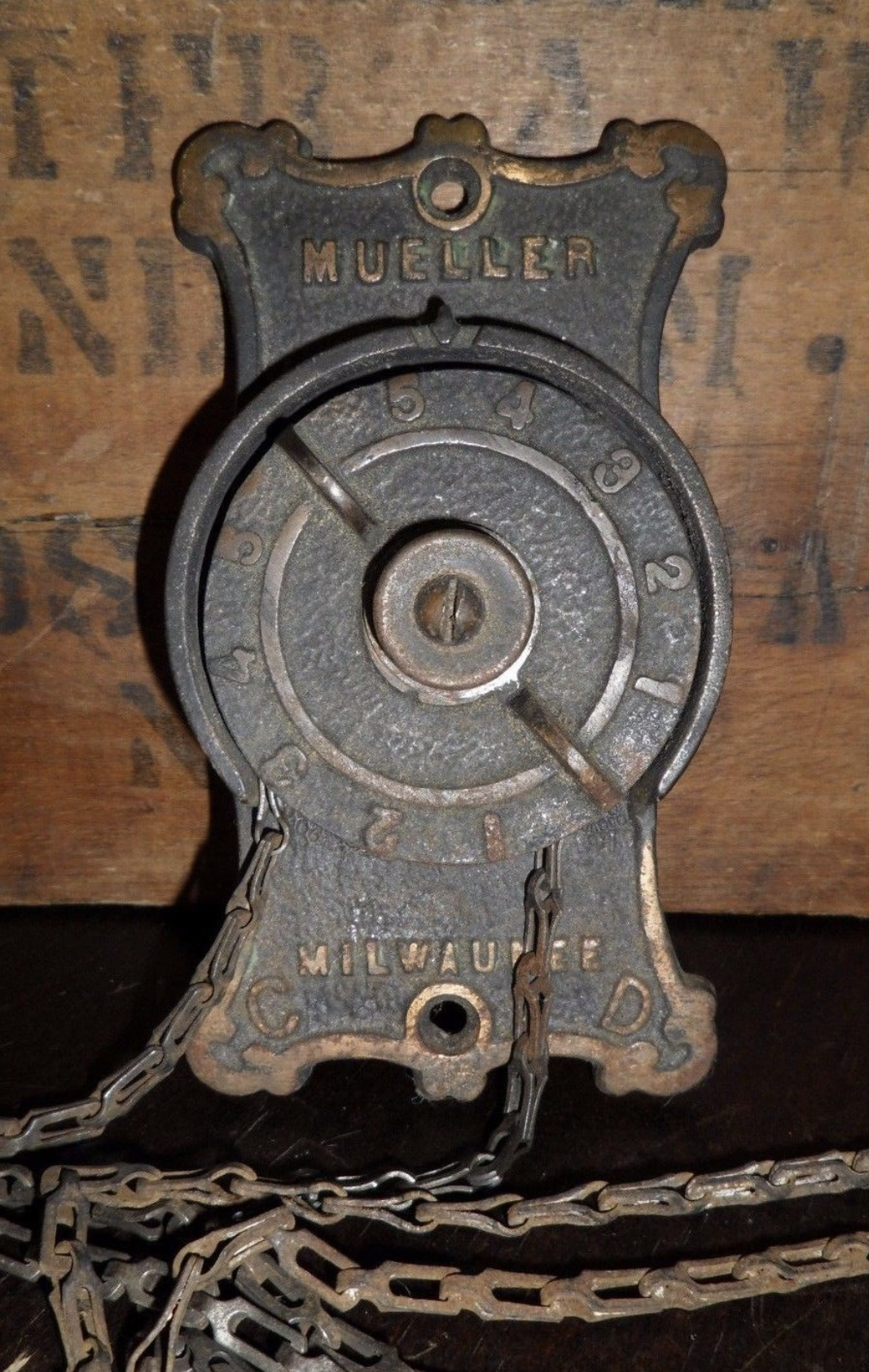
Today the Mueller Draft Control is a fine example of engineering from the early part of the twentieth century. Although the modern thermostats have made home heating easier, they do not relate to the process directly as the Mueller Draft Control did. This kind of functionality is rather appealing because one can turn a dial and feel that they are controlling the flame that warms their house. This is an reminder of the past when people took a bit more effort to do something, and probably enjoyed it more in the process.
Therefore, to find a Mueller Draft Control in good condition is like hitting the jack-pot for collectors and history lovers. It is a product that has the physical and emotional feeling of history backing it up. For the people with an affinity towards the primitive works of man, it is a piece of fine art that is a testament to the progression of the society, as well as its roots.
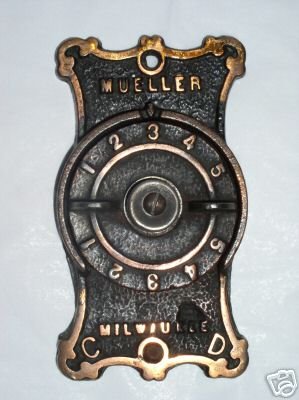
However, when you are cozily sitting in your house with the heat being regulated by the centralized system, one cannot help but acknowledge the evolution process that has taken place and led us from manual draft controls to push button thermostats. Thus, the Mueller Draft Control is not simply an artifact; it is a narrative of progress and evolution and, most importantly, people’s need for warmth and shelter. The next time you set the heater on, you will be able to look back at the early history of home heating and feel the warmth in your heart for the smart creativity that enabled the people of the past to keep warm even in the coldest of nights.