This Little Box Could Summon Help Without A Single Word!

October 20, 2026
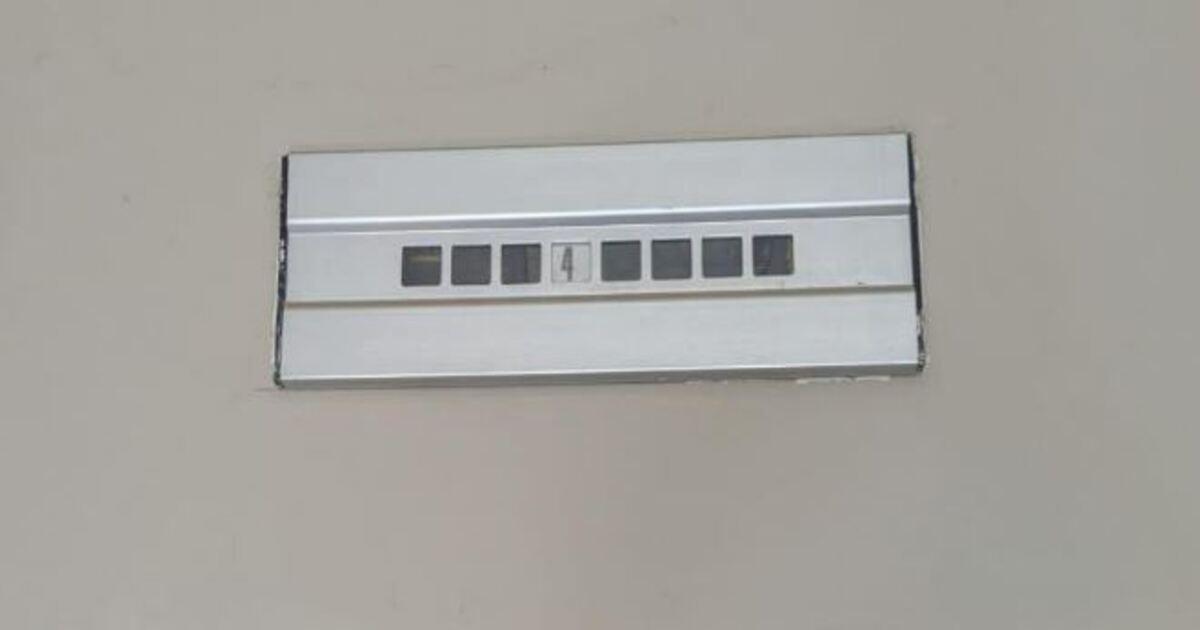
source: Reddit
Before intercoms, telephones, and modern communication systems, a small device on the wall helped household servants and hotel staff know exactly where someone needed assistance. It was called a service annunciator, and for many years, it played an important role in large homes, hotels, and other buildings.
These old panels often featured rows of numbered windows or small indicators. They might not look particularly impressive today, but they provided a clever solution to an everyday problem.
With the simple press of a button, someone could summon assistance without shouting down the hallway or searching for a staff member.
Vintage service annunciators remind us of a time when even the simplest tasks relied on ingenious mechanical and electrical devices.
What Was a Vintage Service Annunciator?
A service annunciator was an early room-calling system that allowed people to request assistance from another part of a building.
In a large house, someone might need a servant to bring refreshments, attend to visitors, or help in a bedroom. Rather than walking downstairs, they could press a button or pull a bell cord.
That action activated a bell or buzzer and an indicator on a central panel. Staff could then identify which room needed attention.
These systems became particularly useful in large mansions, hotels, and institutions where employees had to manage requests from numerous rooms.
How Did These Old Annunciators Work?
The basic operation was surprisingly simple.
Earlier systems used mechanical bell pulls connected by cords or wires. Later versions relied on electrical circuits and push buttons.
When someone pressed a button, a signal traveled to the central annunciator. A bell or buzzer sounded, while a numbered indicator identified the room requesting assistance.
Depending on the design, a small shutter, colored disc, or pointer would move to display the signal.
Some models kept the indicator visible until a staff member manually reset it. This meant that even if someone missed the bell, they could still see which room had called.
The annunciator in the photograph is a good example of this older technology. Its metal housing contains several small indicator windows, each likely representing a different room or service area.
Although its exact age and manufacturer are unclear, the design reflects the practical simplicity of these systems.
A Familiar Sight in Large Homes and Mansions
During the Victorian and Edwardian periods, wealthy households often employed several servants to handle daily activities.
A large household might include a butler, housekeeper, cook, maids, and footmen. With employees working in different parts of the building, communication wasn’t always easy.
Service annunciators helped solve that problem.
A household member could request assistance from an upstairs bedroom, while staff downstairs could immediately identify where they were needed.
The main annunciator panel often hung in a kitchen, servants’ hall, or another service area.
Of course, for the servants, the ringing bell usually meant another job needed attention. It wasn’t always a welcome sound, especially during a busy day!
Vintage Service Annunciators in Old Hotels
Hotels also used annunciator systems long before guest-room telephones became common.
Imagine staying in a grand hotel more than a century ago. You might want fresh towels, hot water, extra blankets, or help with your luggage.
Instead of picking up a telephone, you pressed a service button in your room.
A bell rang at the service desk, and a corresponding number appeared on the annunciator panel. Staff could then send someone to the correct room.
Some advanced systems even allowed guests to indicate the type of service they wanted.
For hotel employees, this technology saved time and eliminated much of the guesswork involved in responding to guests.
However, unlike modern intercoms, a basic annunciator couldn’t explain what someone needed. Staff still had to visit the room to find out.
The Little Numbers That Served an Important Purpose
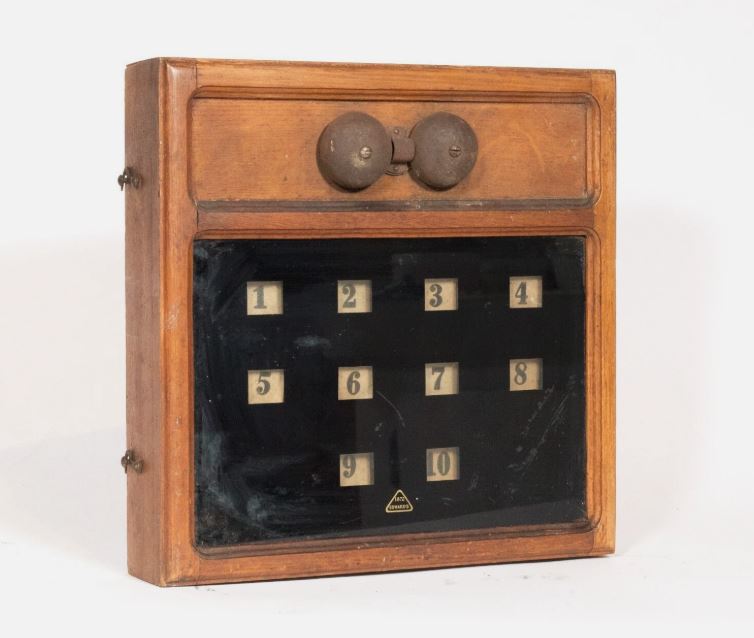
One of the most interesting features of vintage service annunciators is their row of small numbered windows.
Each number generally corresponded to a room or location.
When someone pressed a button, the appropriate indicator changed, showing staff exactly where assistance was required.
Some annunciators displayed colored markers, while others used moving flags or pointers.
The concept was simple but effective. A single panel could monitor several rooms without requiring a telephone in each one.
It’s easy to overlook how useful that was at a time when instant communication wasn’t something people took for granted.
Why Did Service Annunciators Disappear?
As technology improved, traditional annunciators gradually gave way to more advanced communication systems.
Telephones allowed guests and residents to speak directly with staff, while intercoms made communication even easier.
Later, digital and wireless systems replaced many of the older bell-and-indicator arrangements.
However, the basic idea never disappeared completely.
Modern hotel service buttons, hospital nurse-call systems, and electronic assistance panels still follow the same principle. Someone presses a button, a signal reaches the staff, and help arrives.
The technology has changed, but the purpose remains familiar.
A Small Reminder of the Good Old Days
Today, an old service annunciator might look like a mysterious metal box mounted above a doorway. Many people would probably walk past one without knowing what it was.
Yet these little devices once played an important role in the daily operation of large homes and hotels.
They remind us of an era when household service worked differently and a simple bell could set someone hurrying through the corridors.
It’s fascinating how much history can hide inside an ordinary-looking object.
Have you ever seen one of these old annunciator panels in a hotel, mansion, or older building? Perhaps you remember the sound of the bell or the little numbers that appeared when someone called for service.
Sometimes, the simplest pieces of old technology have the most interesting stories to tell.