This Forgotten Mid-Century Gadget Will Bring Back All the Feels!

August 22, 2024
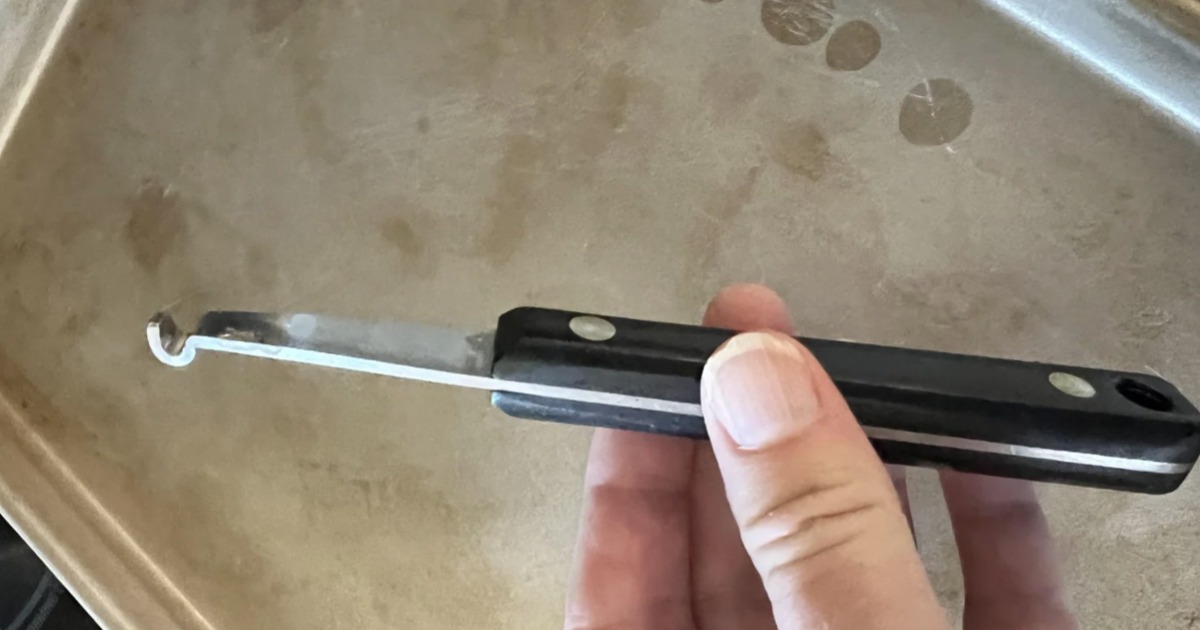
Source: Reddit
Do you ever miss the background noise of the clinking of plates and cutlery and the aroma of food being prepared on the stove and the general buzz of life? For most of us, the kitchen was the center of the house, the place where we gathered around a bowl of soup to listen to the day’s news and where the utensils in the drawer were as well-known as the items in the cupboard. Of those tools, the EKCO Flint mesh strainer was one, and it did its job without fuss while some of the other appliances of the era were more ostentatious. But there it was, standing to its duty, straining, sieving, and rinsing whatever the day had in stock for it.
In the 50s and 60s, when homemaker’s made their own meals, the EKCO Flint strainer was an essential tool in every kitchen. It was used for washing berries, sieving homemade chicken stock, or dusting off doughnuts before frying them. I can still remember my grandmother using hers, the handles of which were polished by constant use but the knife was as reliable as ever. You could feel that the handle was well made and the mesh was quite close knit so that it could trap even the most delicate seeds. It was one of those items that just functioned, and functioned well, for years and years.

EKCO, short for Edward Katzinger Company, had a simple mission: This was to develop strong and durable kitchen implements that would be useful in the daily use and not easily damaged. They succeeded in spades. The EKCO Flint line came out to the market in the mid 20th century and was associated with quality, with the case in point being that the flints were made from stainless steel containing vanadium, a material that enhanced the strength and reliability of the product.
These tools especially the mesh strainer were popular in the early to mid twentieth century when kitchen appliances were not only functional but artistic as well. The Flint line was built to last and many of these strainers are still in use today in kitchens or displayed in second hand stores. Such objects point to the period in history when products were manufactured with the idea of being inherited, not discarded after a few years.
Post-war America was a time where kitchens seemed to be the centre of activity, and the items in the kitchen reflected this. Days were longer, families were bigger, people were moving out to the periphery and the kitchen was no longer just a place where you prepare food, but rather a representation of the new American home. Thus, the EKCO Flint strainer can be considered as the model that reflected the tendencies of the further improvement in the kitchen appliances and the enhancement of the kitchen routine for preparing meals for the whole family.
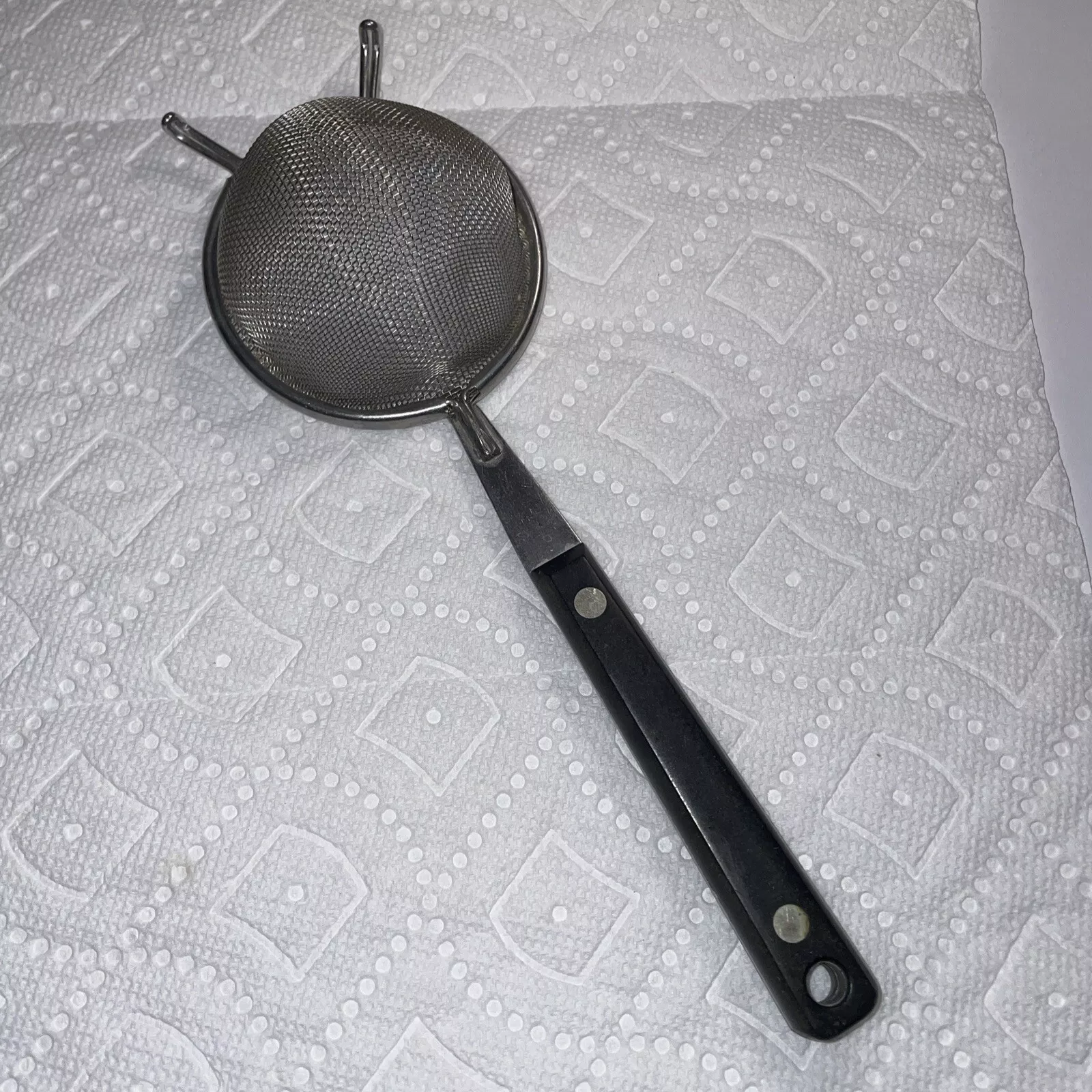
The durability and simplicity of the EKCO Flint line also reflected a broader cultural trend: This is especially so of the post-war period characterised by practicality and frugality. In a period where people have ready to use boxes of food and microwaves to heat food, this strainer is a tool that enabled home cooks to prepare their own meals by using ingredients that they grew in their own backyards.
The kitchens of the mid-century were a designers’ playground. One could see mothers preparing meals from the Victory gardens that were still being cultivated, fathers fixing things around the house, and kids getting an idea of how food is prepared from their elders. The EKCO Flint strainer may not have been the sexiest piece of kitchen gadgetry but, like a good servant, it was always in the background, out of sight, but never out of mind.
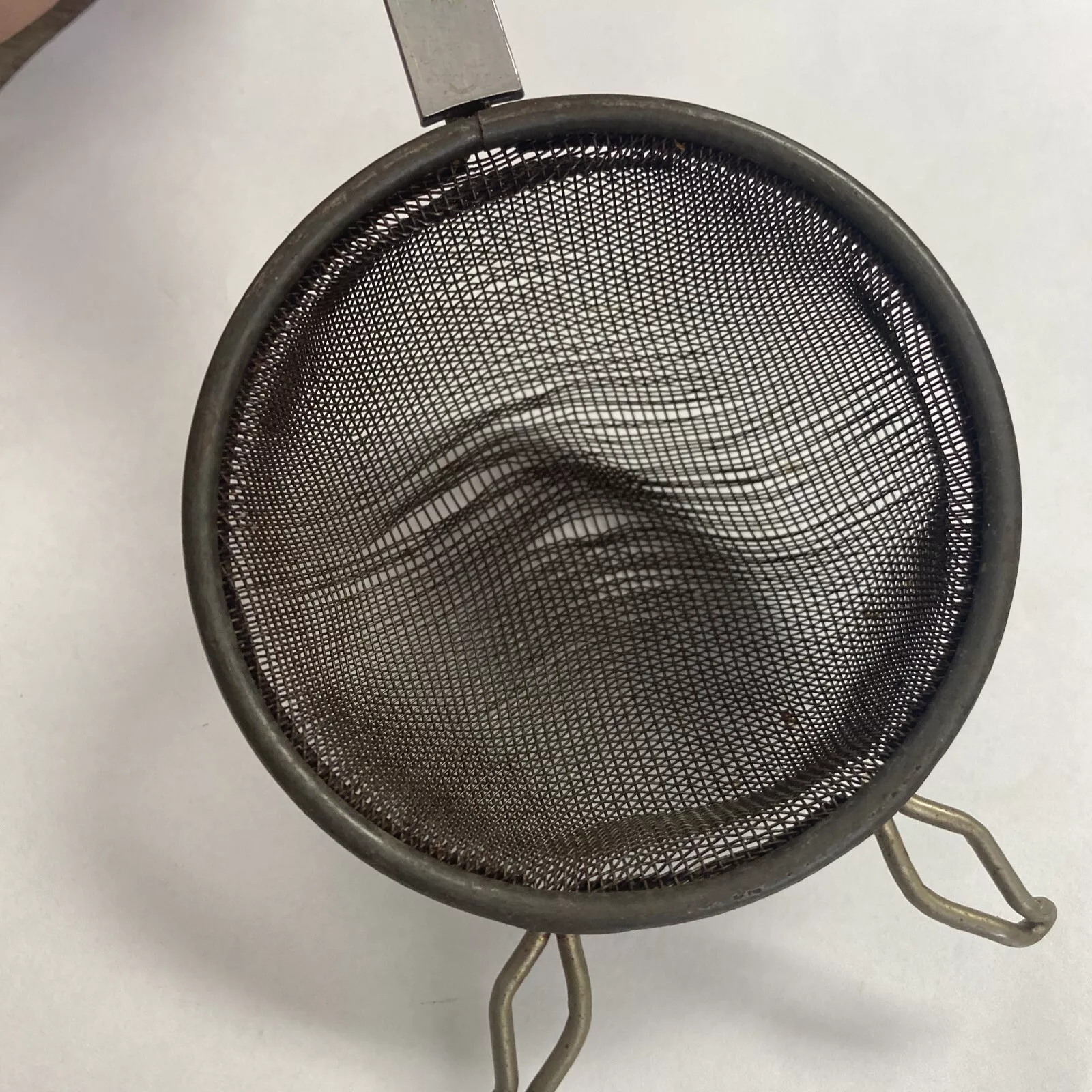
While basic, the EKCO Flint mesh strainer has an informal, comfortable look. There is something peculiar about using a piece of kitchenware that has been obviously used before, with aromas of fresh vegetables being washed, sounds of straining the sauce, visions of steam rising while someone is stirring the soup. These items were not mere possessions but were in fact a part of family life.
Presently, vintage EKCO Flint mesh strainers can be bought from antique shops or from the internet. They remain an evidence of good design and how things were made to enhance the routine of the middle aged society. They have been around for a long time and have endured fads, and shifts in the culture of cooking and food consumption, and are as effective as they were many years ago.
If you’re granted a chance to pick one up at your grandmother’s kitchen drawer, or at a flea market, do not fail to acknowledge the history behind it. It’s the memory of a time when kitchens were simple and appliances were made to endure – the kind of time when every kitchen drawer contained utensils that, though plain, were as reliable as the folks who used them.

And who knows? It may be high time that you dig up your EKCO Flint strainer from the depths of your storage and get it back into action; back into helping you make something splendid in your kitchen, which is exactly what it used to do.