The Surprising Story Behind This Unassuming Antique!

September 2, 2024

Source: Reddit
Have you ever recall that you were sitting with your grandmother and observing how she mended a sock? Perhaps you did not pay much attention to it at the time – another of the ‘old fashioned’ things that she used to do, such as making bread from scratch or drying clothes outside. But there was something fascinating how she was able to do it, using only a needle, some thread, and a small wooden tool in the shape of an egg.
That is where the saying ‘small things in life’ comes from because sometimes these are the things that we remember most. The small round object which most people would not even notice lying in a drawer full of sewing materials is known as a darning egg. While striving to return to the roots and find the simpler, healthier life, this simple item begins to reappear in people’s lives. And with it, the almost forgotten craft of darning – a process that not only mended the fabric but also told us about tolerance, frugality, and gentleness.
Knitting eggs were a popular household item not so long ago and especially during the Second World War when every piece of fabric was reused and not thrown away. Most of the time the darning egg, which was often wooden, was placed inside the sock to provide the necessary pulling of fabric that would allow for the weft of new yarn to be easily inserted through the warp of the sock’s material. Being circular in shape, the sock had a rather smooth surface and because of this, the sock was able to retain its shape as it was being repaired.
You may come across a darning egg in an attic of your own house, or maybe you have bought one in a thrift shop and wondered what the heck is it for. It is the type of apparatus that not only has a specific function to perform, but which also holds tales in its shape and in the marks left on its surface. It is the story of time when people stitched the holes in their clothing and maybe in their hearts as well.
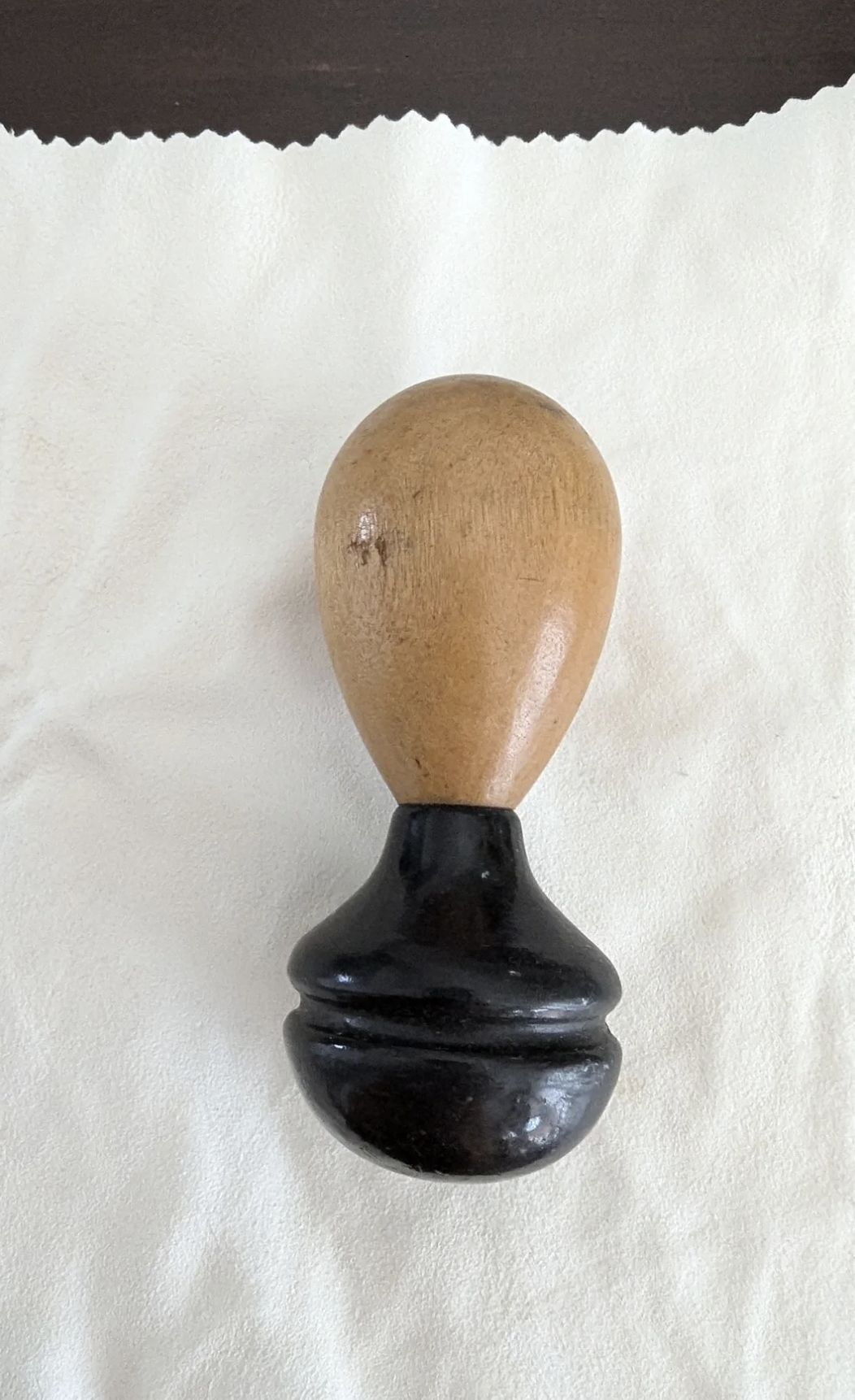
The use of such tools as the darning egg is also not a mere retroviralrenaissance. It is a part of the general change in the society towards the protection of the environment and being conscious of one’s actions. In the world where time and money are often invested in the newest trends and instantaneous solutions, darning egg is a relic of the sustainable economic model, based on the principles of fixing things and making them last.
In the early part of the century socks were made of wool and cotton and garments were stitched by hand and hence darning was useful. Such skills were learnt and preserved over the years and the darning egg was often a wedding present to represent the effort that went into creating a home. Today, when we encounter environmental issues and try to minimize the use of new materials, darning that was thought to have been long forgotten is coming back into fashion as a functional and artistic activity.
It is as if one is talking of darning eggs and recalling the good old times when things used to be built to last. It is comforting to recall such ordinary and mundane items and the people who owned them. So it’s a good lesson to be reminded that the past wasn’t just a time that was different, it was a time that had a different set of values; one where things were valued for their ability to last, not for their ability to be used and thrown away.
That to me is what is so exciting about finding darning eggs today – it’s not only a return to a previous time, it’s a new beginning. Mending, at one time a practical procedure, has been transformed into a deliberate activity that can be therapeutic. It leads us to a period that things were valued and it makes us appreciate them in today’s world.
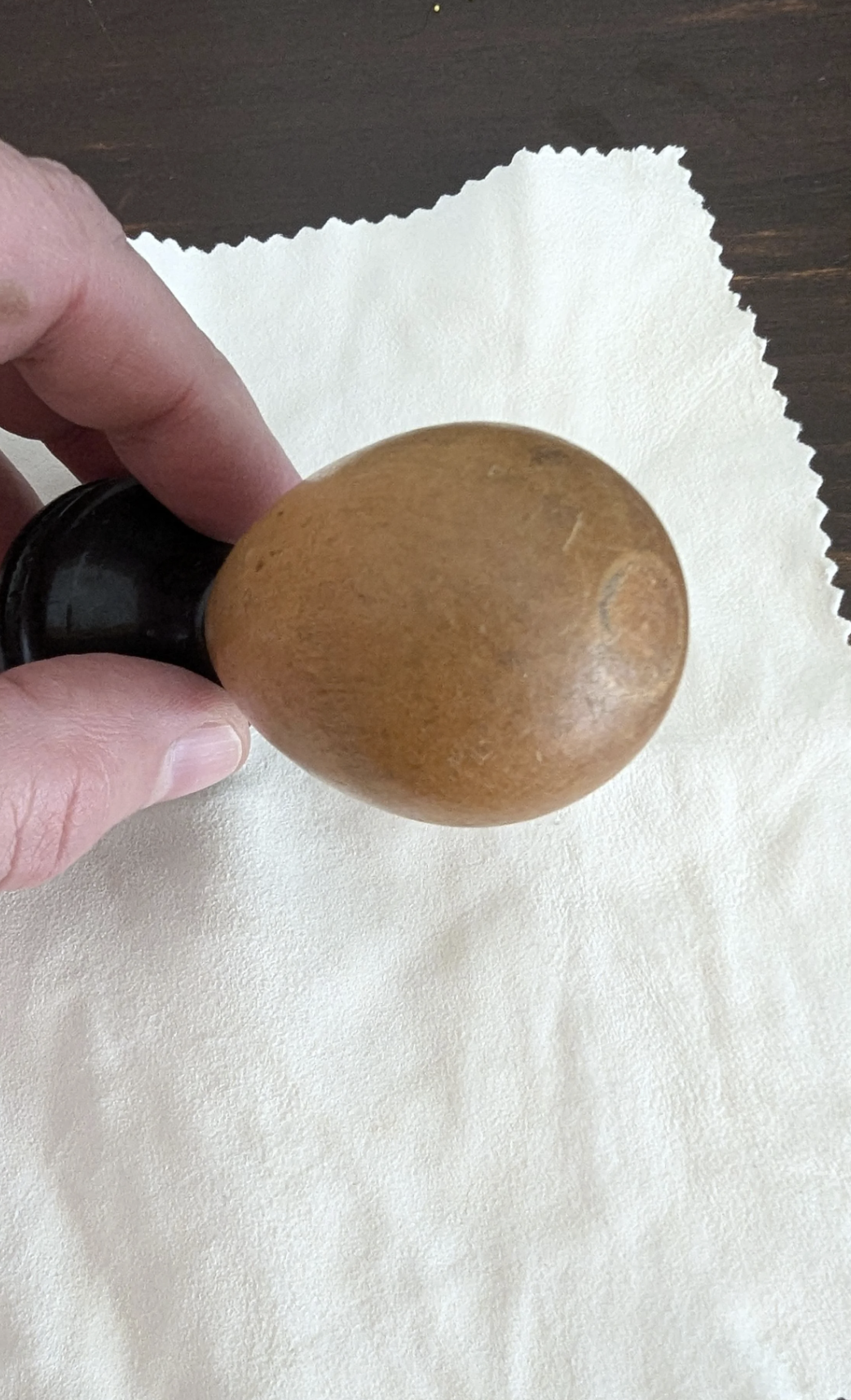
Therefore, the next time you have a hole in your favourite sock do not throw it away. But no, instead grab that darning egg; it can be one that has been handed down or one that you bought. In either case, you’ll be carrying on a legacy that is as much about our responsibility towards these items as it is about restoring them.
it’s not just about reaping a hole in a sock. It’s a story of how we can fix the damage that we have done to the objects we use and the environment around us. And maybe, just maybe it’s about healing a small part of ourselves that has been broken as well.