The Surprising Issue Lurking Behind Your Walls!

October 22, 2024
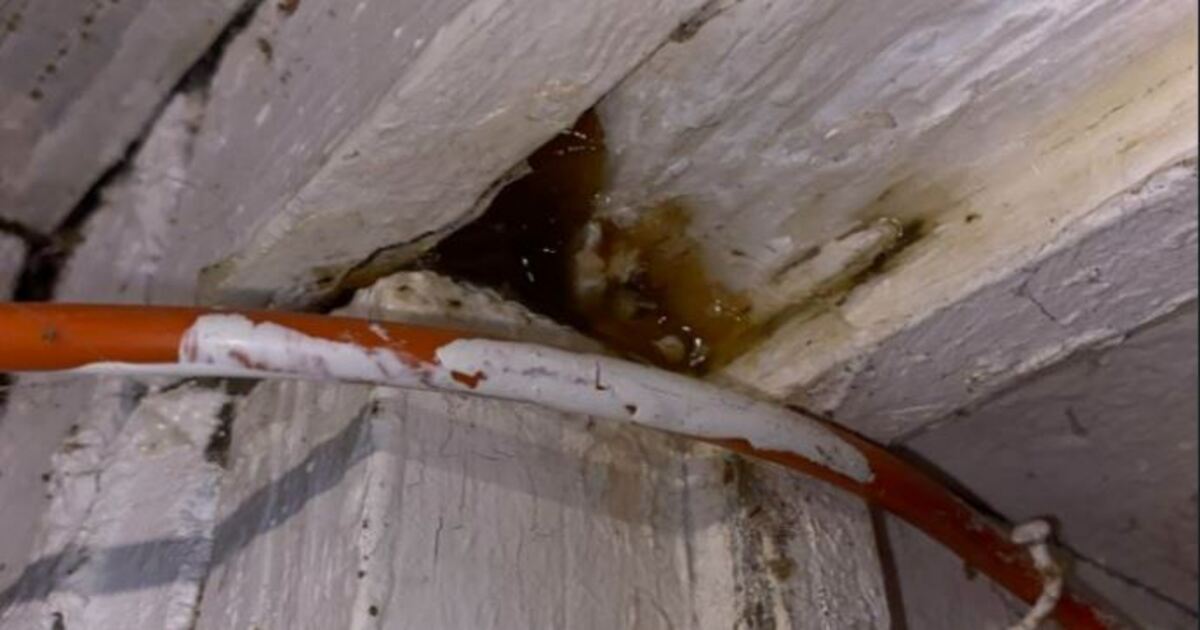
source: Reddit
Over time, even the most well-maintained homes can show signs of wear and tear. One often-overlooked area that can quietly degrade is the caulk or sealant that fills the cracks and gaps in your walls, around windows, or between boards. You may have seen a sticky, discolored substance in a crack around your home – what once was a clean sealant line can sometimes start to look moldy or begin to rot. If you’ve found yourself in this situation, don’t worry! It’s a common problem and one that’s relatively easy to fix with a bit of knowledge and effort.
Many homeowners, especially those living in older homes, may remember the days when a simple tube of caulk seemed to fix anything – drafty windows, leaky cracks, and unsightly gaps. It’s a material that has saved countless homes from the effects of moisture and air leaks. But like anything else, caulk has a lifespan, and over time it can degrade, turn brown, or even start to harbor mold if moisture gets trapped.

If you’re living in an older home, like a farmhouse or a historic property, you might be dealing with decades-old caulking or sealant that has simply run its course. The key is recognizing the signs of failure early before it causes damage to the wood or structure underneath.
Caulk is designed to be flexible, filling gaps and cracks where air or water could seep through. It’s typically used around windows, doors, trim, baseboards, and other areas where materials meet but aren’t tightly sealed. Over time, environmental factors like temperature fluctuations, moisture, and exposure to the elements can cause caulk to dry out, crack, or deteriorate. When this happens, the seal is broken, allowing moisture, air, and even pests to find their way inside.
In some cases, you might notice that the caulk turns brown, yellow, or even black. This discoloration is often due to mold or mildew growth, especially if the sealant is in a damp or humid environment, such as near plumbing fixtures or in basements. Once mold takes root, the sealant is no longer just failing cosmetically – it can lead to structural problems like wood rot, water damage, and unhealthy mold growth in your home.
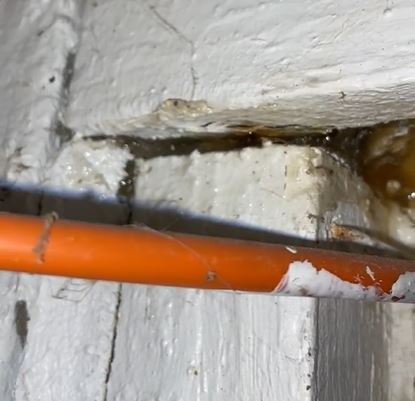
Beyond just aesthetics, failing caulk can lead to serious problems for your home. Moisture can infiltrate, causing wood to rot or metal to rust. In basements or attics, it can also create a breeding ground for mold, which can pose health risks to you and your family. Taking the time to replace old caulk when you first notice an issue can save you from bigger headaches down the road, including expensive repairs or remediation work.
While it may seem like a small issue, deteriorating caulk can have a big impact on your home’s integrity. Fortunately, with a few simple steps, you can restore your home’s protection against the elements. If you’ve noticed that sticky, moldy, or rotting sealant in your own home, now is the perfect time to take action – your home will thank you for it!