The Forgotten History Behind These Weathered Wooden Planks

November 26, 2026
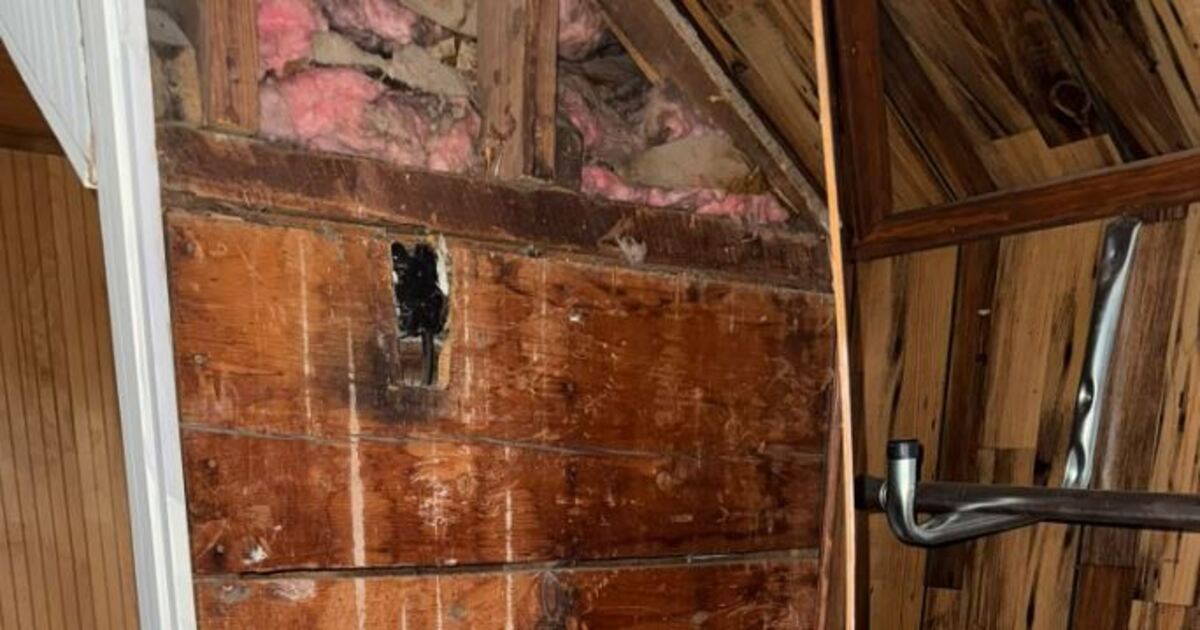
source: Elena Dworman/Facebook
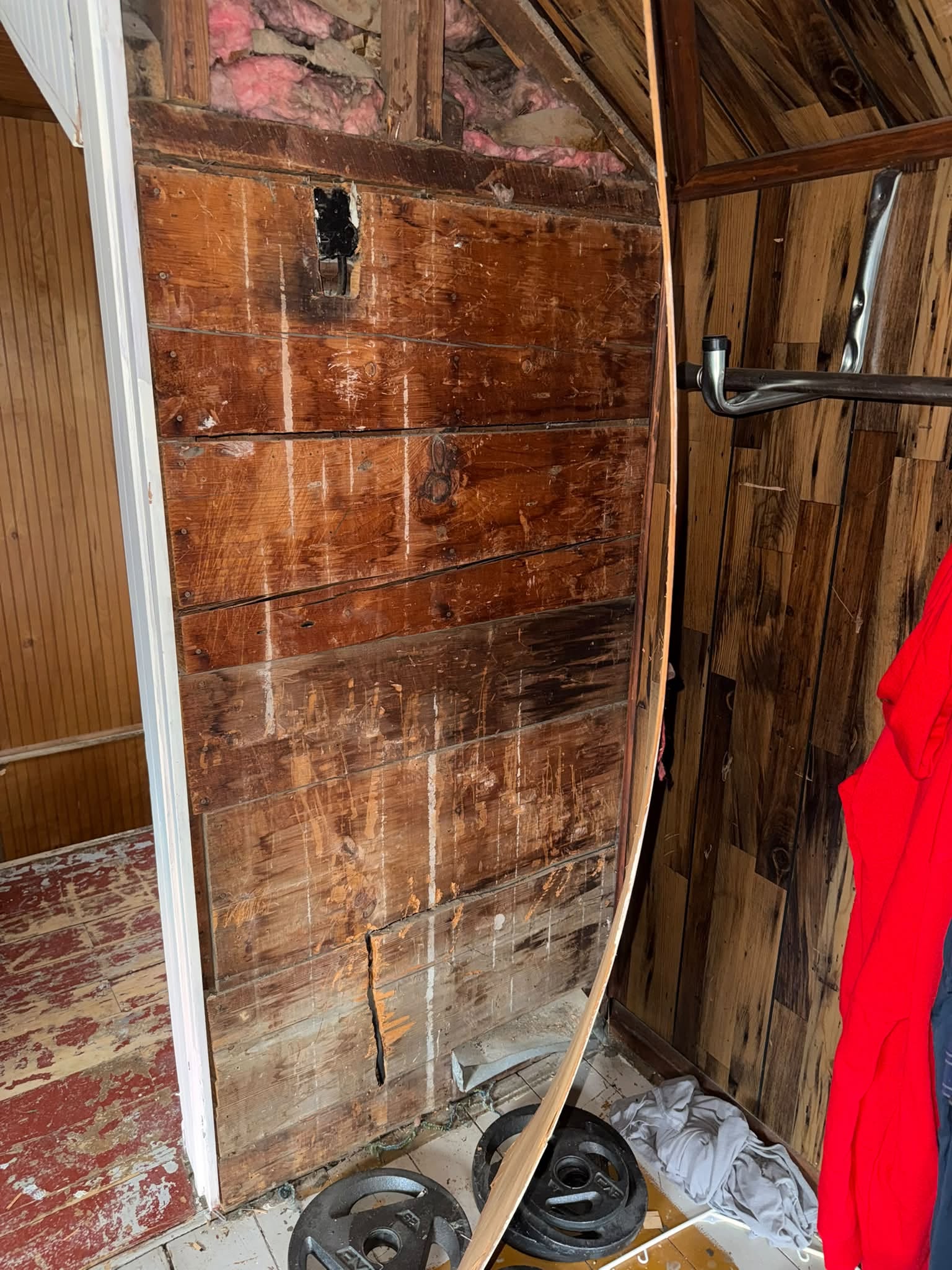
There was a time when wide wooden planks, rough surfaces, and uneven edges were nothing unusual. They lined the walls of country homes, covered agricultural buildings, and served countless practical purposes. Today, we often call this material old barn board, and its weathered appearance has become a favorite among those who appreciate traditional craftsmanship.
The darkened surfaces, prominent knots, old nail holes, and natural imperfections give these boards a distinctive appearance. While modern manufacturers attempt to reproduce this rustic look, genuine antique wood carries a history of its own.
What Exactly Is Old Barn Board?
When people hear the term barn board, they usually picture an old red barn standing along a quiet country road. However, people also use the term to describe rustic, aged lumber found in traditional rural buildings.
Genuine reclaimed barn board comes from old barns, although similar wooden planks appear in farmhouses, sheds, stables, and workshops.
These boards often feature irregular edges, visible saw marks, large knots, and natural variations in color. Unlike modern lumber, older boards sometimes varied considerably in width and thickness.
Carpenters worked with the materials they had available, placing practicality above appearance.
How People Used Wooden Boards in the Old Days
During the nineteenth and early twentieth centuries, wood played an essential role in rural construction.
Builders often obtained lumber from nearby sawmills. Pine, hemlock, oak, and other locally available woods found their way into homes and agricultural buildings.
Carpenters used wide wooden boards for floors, walls, ceilings, partitions, and exterior siding. In some houses, horizontal planks provided a backing for decorative wall coverings.
Farmers also made good use of leftover lumber. A board from an old outbuilding might eventually become part of a fence, storage shed, or interior wall.
Long before reclaimed wood became fashionable, rural families understood the importance of making the most of what they had.
Why Homeowners Covered Old Wooden Walls
Today, people spend considerable amounts of money recreating the rustic farmhouse look. However, earlier generations often preferred something entirely different.
As decorating trends changed, homeowners wanted smoother walls, colorful wallpaper, and more fashionable interiors.
During the 1960s and 1970s, decorative wood paneling became a familiar sight in American homes. It offered an affordable and convenient way to update older rooms.
Fortunately, covering wooden surfaces sometimes helped preserve them. Decades later, homeowners occasionally discover beautiful antique lumber beneath outdated wall coverings.
These forgotten boards offer a fascinating reminder of traditional construction methods.
What Gives Old Barn Board Its Unique Appearance?
Years of exposure to sunlight, moisture, air, and everyday use gradually change the appearance of wood.
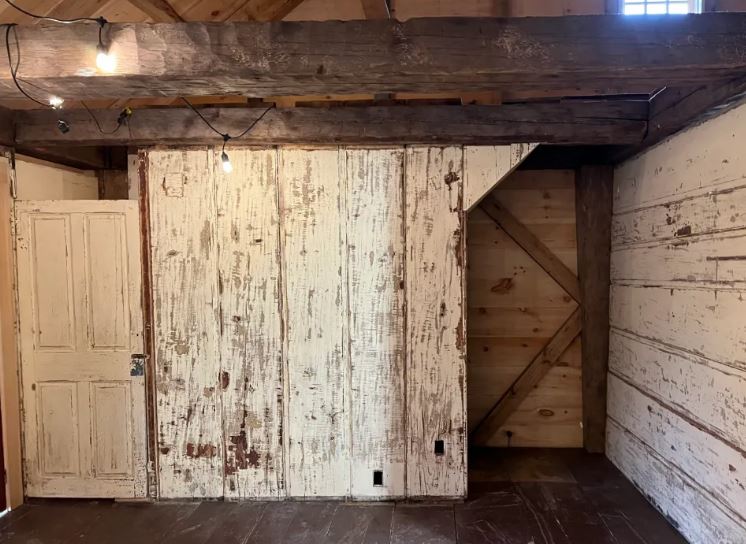
Outdoor boards often develop a silvery-gray surface, while interior planks may take on rich brown and amber tones. Old nails can leave dark stains, and everyday wear creates scratches and imperfections.
Traditional sawmills also left distinctive marks on lumber. Some of these marks remain visible even after a century of use.
No two boards look exactly alike, which adds to the charm of genuine antique wood.
From Ordinary Lumber to a Decorative Treasure
It’s interesting how much decorating tastes have changed over the years.
Our grandparents might have covered rough wooden walls because they considered them unfinished or old-fashioned. Today, their grandchildren might remove those coverings to restore the original appearance.
Modern homeowners use reclaimed barn board for accent walls, kitchen cabinets, shelves, picture frames, and handmade furniture.
Manufacturers even reproduce its aged appearance by adding artificial scratches and distressed finishes to new lumber.
Yet genuine antique wood possesses a character that can be difficult to recreate.
A Piece of History Worth Preserving
Old barn board represents an era when builders relied on simple materials, practical knowledge, and traditional craftsmanship.
They weren’t trying to create a rustic aesthetic. They simply wanted buildings that could withstand everyday life.
Today, preserving antique lumber offers a small way to maintain that connection with the past. Whether it remains part of an original building or finds new life in a piece of furniture, the wood can continue serving a useful purpose.
Perhaps that’s why so many people appreciate these weathered boards. They remind us of old family farms, country workshops, and a time when nothing useful went to waste.
Sometimes, the beauty of an old piece of wood lies not in its perfection, but in everything it has endured along the way.