Mystery Metal Bits in Bedding?

March 2, 2026
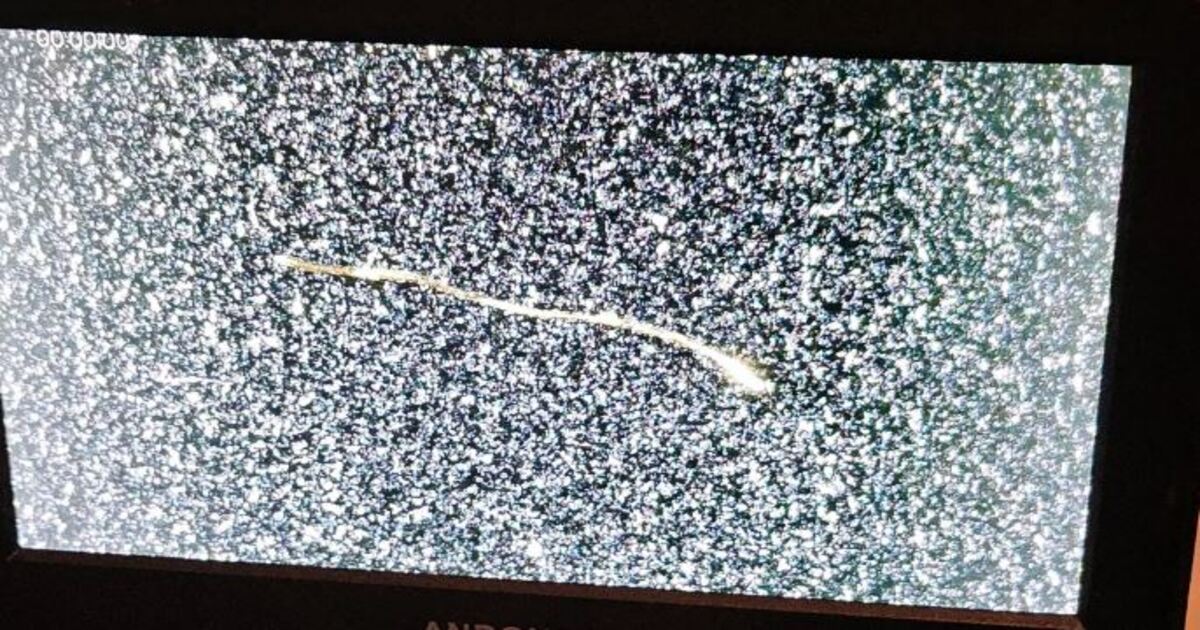
source: Reddit
If you’ve washed clothes and then noticed gold colored, very thin, hair-like metal fragments sticking to your clothes, you’re not losing your mind. They can feel like little pins, cling to your clothes like lint, and appear at the most inconvenient moments. For example, you may be folding warm laundry and accidentally touch one of these metal fragments. Many homes experience Dremel metal slivers.
What the Gold Fragments are Usually From
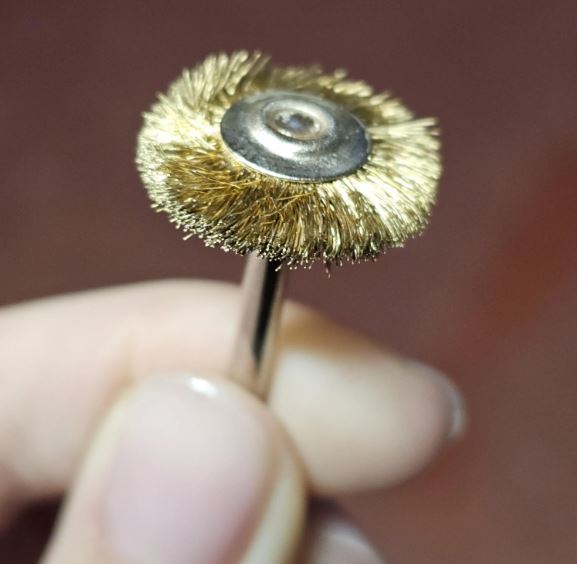
Mostly the gold fragments will originate from the brass wire brush attachments used on your Dremel tool. As the brush spins rapidly, each of the individual wires that make up the brushes can begin to break. This is particularly true when an older brush is being used, or a slightly bent brush is being used and/or has been forced into tight spaces. The same applies to abrasive wheels, sanding drums and polishers; all of which can generate dust and small particles that can become embedded into your clothes. While you may not be able to see it at the time, that debris will settle and adhere to surfaces.
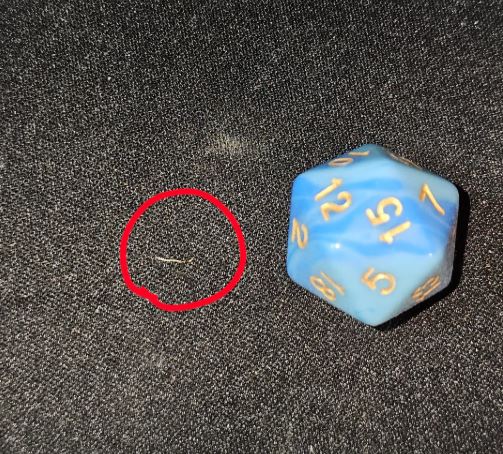
Where the Gold Fragments Come to Rest
In addition to being near the project you are doing, the problem lies in the fact that the metal fragments can travel through air currents, fall onto surfaces, and be transferred onto items by hand. For example, the metal fragments can find their way onto a towel hanging nearby, a hoodie thrown over a chair, or even a laundry basket placed in a different location than intended. After a short period of time, the fragments will end up in your clothes such as in the form of slivers in socks, sleeves, etc., in areas of your clothes that have some type of texture for the fragments to cling to.
Simple Methods to Verify Your Hypothesis
Examine the wire brush attachment you have been using. If the wire brush is shedding bristles, there will most likely be evidence of uneven bristles or a frayed edge of the wire due to broken-off bristles. Another method to verify the source of your problem is to perform a magnet test. Some bristles are made of steel with a brass colored coating, therefore, they will attract to a magnet. Most pure brass does not react to magnets. The most telling clue to identify whether or not your problem originated from a wire brush is the shape and curl of the fragment(s), specifically if you have recently performed rust removal, cleaning, or polishing, etc.
Methods to Prevent the Problem
Prevention is the best solution. Contain the mess to the area where it originates. This can be as simple as placing a sheet of cardboard behind your project to capture the debris. Other people utilize a plastic storage container placed on its side to act as a “booth” to confine the mess to one area. In addition, allow the brush to do the work. When you apply pressure to the brush, you are more likely to break off bristles and cast debris further away. Also, replace a worn-out brush earlier rather than later to avoid months of mystery slivers.
Another old-fashioned approach to containing the mess is to maintain “shop clothing.” If you have a pair of jeans and a sweatshirt that always seem to be nearby for projects, designate a separate hamper or bin for the clothing. Give the clothing a good shake outside before washing to reduce the number of fragments that end up in the wash.

Removing Metal Slivers from Clothing Without Damaging the Clothing
When removing metal slivers from clothing, focus on removal methods that remove the fragments from the clothing without embedding them further. A lint roller (or a strip of packing tape) can remove a surprisingly large number of fragments from the surface of the clothing. If the fragments are magnetic, sweeping a magnet across the clothing can help, especially if the magnet is wrapped in a thin layer of cloth to facilitate cleaning afterwards. Washing the item separately from other laundry can prevent the slivers from migrating to other articles of clothing. Clean the washer gasket and check the dryer area afterwards to ensure the slivers do not migrate to another load.
Clean the Transfer Points for New Fragments
If you continue to find new slivers, you have likely identified a “transfer point” in your home. Laundry baskets are a common culprit, particularly if they are located near the garage or workshop door. Rugs and floors leading from the workspace to the laundry room can also perpetuate the cycle. Cleaning the transfer points (the laundry basket, rugs and floors) quickly resolves the problem.
A Simple Solution to Return to Normal Laundry
Dremel metal slivers are a classic case of shop mess traveling further than anticipated. By controlling the debris, replacing worn-out attachments, and separating work clothing from regular clothing, the mystery will typically cease. Furthermore, your laundry will return to its original state: clean, soft and metal-free.