Is Your Home Hiding A Secret Room with A Surprising Use?

October 19, 2024
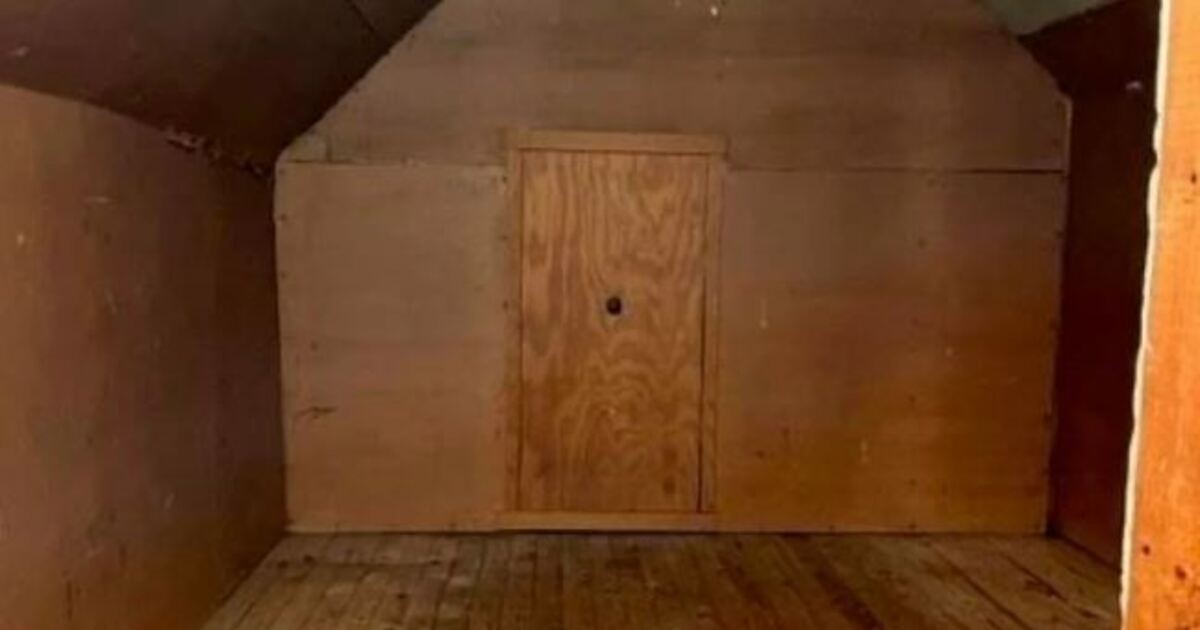
source: Reddit
In homes built during the early to mid-20th century, practical considerations often led to clever design solutions that are still fascinating today. One of these hidden gems is the cedar closet – like the one you’ve discovered behind a worn, unassuming door. Tucked away under a staircase or within the recesses of an attic, these small spaces played a crucial role in household management. While they might seem quaint or curious to us today, cedar closets were once a key defense against a household’s worst enemy: moths.
Cedar, with its natural aromatic oils, has long been revered for its ability to repel moths and other insects that would otherwise wreak havoc on delicate fabrics. Before the advent of modern synthetic mothballs and air-tight plastic storage containers, moths were a constant concern for households, particularly those with wool garments, furs, and linens. In an age when clothing was expensive and often custom-made, preserving garments became a top priority.
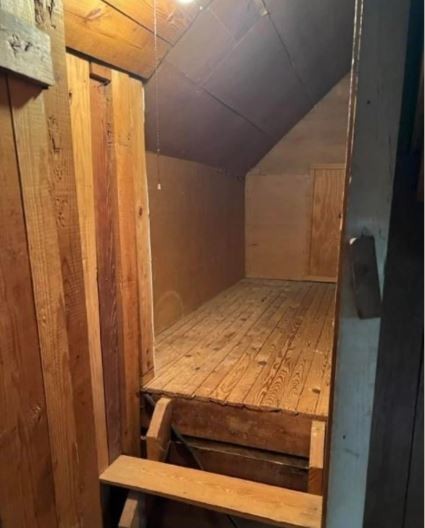
The hidden placement of such closets – often beneath staircases or in attics – was not just about clever use of space but also discretion. These rooms often lacked windows and were tucked away to protect them from the elements. For families with valuable clothing, these hidden closets offered peace of mind, ensuring that their heirloom garments, fur coats, and blankets would be safe from both pests and prying eyes.
In homes built before modern insulation, attics and basements would experience fluctuating temperatures and humidity, making cedar closets all the more important. The compact size and tightly sealed doors also helped regulate the environment within, keeping clothes fresher and safer for longer periods of time.

Though their popularity has waned, cedar closets remain a beloved feature in some older homes, often discovered by new owners exploring forgotten corners of their properties. Today, people are drawn to their historical charm and the faint, nostalgic scent of cedarwood that can still linger decades after the wood was first installed.
The cedar closet, in this case, likely served as a hidden, practical space that helped preserve a household’s most valuable garments from the common threats of moths and humidity. Its discovery is a peek into the domestic challenges of the past, reminding us of the ingenuity people employed to protect their possessions.