Here’s Why Your Apartment’s Strange Noise Is Both Annoying and Necessary!

May 8, 2024

Source: Reddit
New York City, renowned for its rich history and iconic architecture, houses many residential buildings that date back to the late 19th and early 20th centuries. These structures, while aesthetically pleasing and full of character, often retain heating systems of that era: steam-based radiators. An integral component of these systems is the steam release valve, a device that remains relatively unchanged for over a century. While this technology was groundbreaking at its inception, it poses unique challenges in today’s urban living environment, particularly in older buildings where steam hissing and whistling are everyday occurrences.
The adoption of steam heating systems dates back to the 19th century. As New York City expanded rapidly, architects and engineers needed to heat large residential buildings efficiently and affordably. The solution was the one-pipe steam heating system. In this setup, a boiler heats water to generate steam that travels upward through a network of pipes to radiators distributed throughout the building. Steam then condenses back into water, which drains back to the boiler to be reheated.
In this type of system, maintaining pressure is crucial. Enter the steam release valve, a critical component that regulates pressure within each radiator.
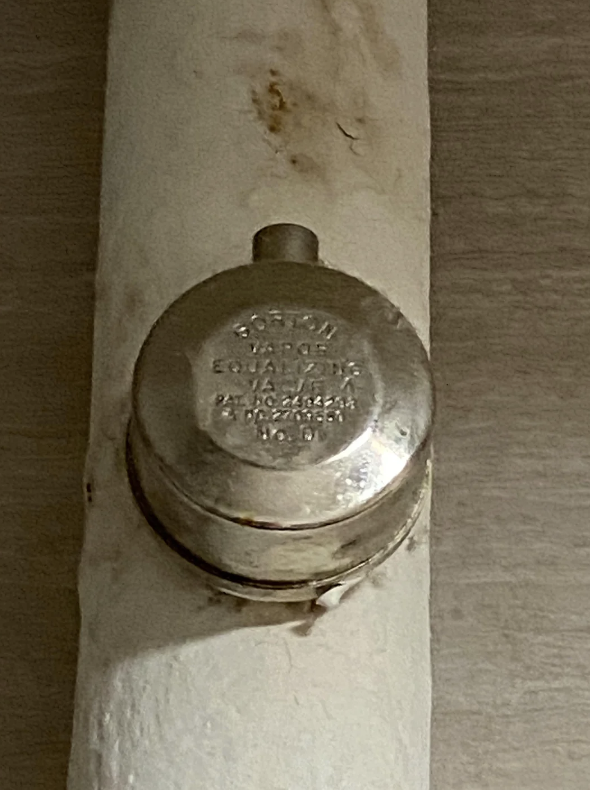
A steam release valve, sometimes called an air vent or radiator valve, serves to vent trapped air from the radiator while ensuring that only steam enters. Here’s how it works:
- Initial Heating Phase: As the boiler heats water to create steam, this steam moves through the main riser pipe and into individual radiators. However, air naturally fills the radiator when it’s cold.
- Air Venting: The steam release valve remains open initially, allowing trapped air to escape from the radiator. This is crucial since air pockets can prevent steam from evenly heating the radiator.
- Valve Closure: As steam replaces the air inside the radiator and reaches the valve, it heats a metal component inside the valve, causing it to expand and close. This mechanism ensures that steam remains in the radiator while preventing further air leakage.
- Continuous Operation: As the steam heats the radiator, it eventually condenses back into water, returning to the boiler via the same pipe. When the radiator cools again, the steam release valve reopens to vent any newly trapped air during subsequent heating cycles.
Despite their ingenuity, steam release valves have a downside: noise. As the valve vents air, a high-pitched whistle or hissing sound is common. This noise often intensifies during temperature shifts when the heating system cycles between periods of high and low pressure. The degree of noise varies based on:
- Valve Quality: Older or poorly maintained valves tend to be noisier.
- System Pressure: Higher pressure in the system can cause excessive steam release, leading to louder noise.
- Valve Size: Larger valves may emit more sound due to greater air flow.
While this noise can be annoying, it’s a byproduct of the valve’s normal function.
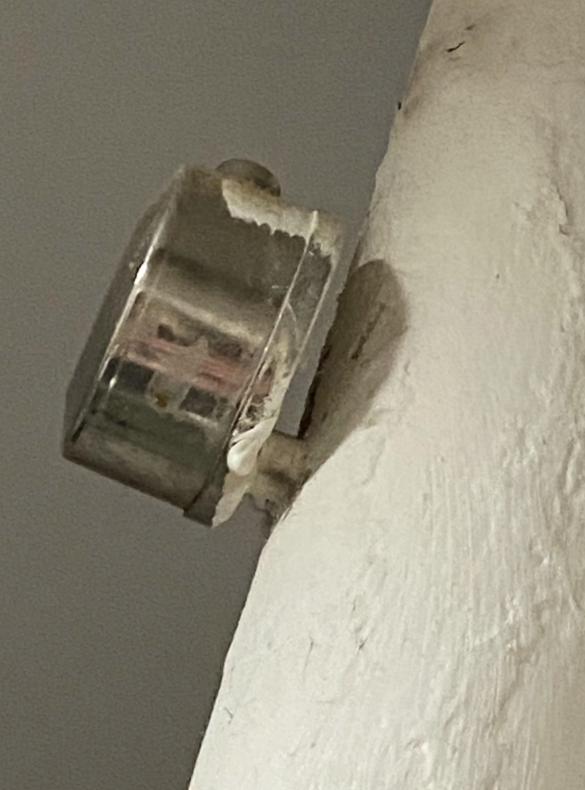
In older NYC buildings, steam release valves often present maintenance challenges due to their age and the wear-and-tear of the surrounding system. Some specific challenges include:
- Corrosion: Over time, valves can corrode due to exposure to high moisture and fluctuating temperatures, causing them to stick open or closed.
- Sediment Buildup: Older pipes are prone to sediment buildup, which can clog valves and disrupt the venting process.
- Outdated Systems: Many buildings have not updated their steam systems in decades, meaning that valves may not align perfectly with newer parts, complicating repairs.
While it’s impossible to eliminate noise entirely, there are ways to minimize disruptions:
- Regular Maintenance: Ensuring that the boiler and valves are maintained regularly can prevent excessive pressure buildup that leads to loud whistling.
- Valve Replacement: Modern valves are often quieter due to improved design. Replacing old, corroded valves with newer models can significantly reduce noise.
- System Balancing: Properly balancing the system can help reduce pressure imbalances that lead to noisy valve operation.
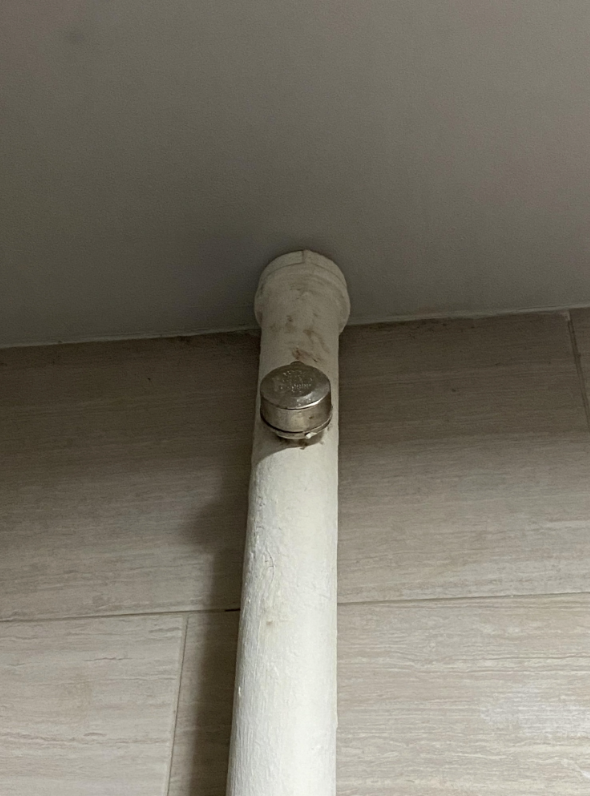
Steam release valves are essential to the efficient operation of New York City’s many steam heating systems. Despite their quirks and noises, they ensure even heating across buildings and help preserve an essential piece of urban history. While their sound may be an everyday annoyance for some residents, it’s a reminder of the remarkable engineering that continues to warm these architectural gems more than a century later. With regular maintenance and modern replacements, these valves can continue to function effectively, providing warmth and nostalgia to generations of New Yorkers.