You Won’t Believe What’s Inside This Weird Squishy Blob on Your Floor!

July 4, 2025
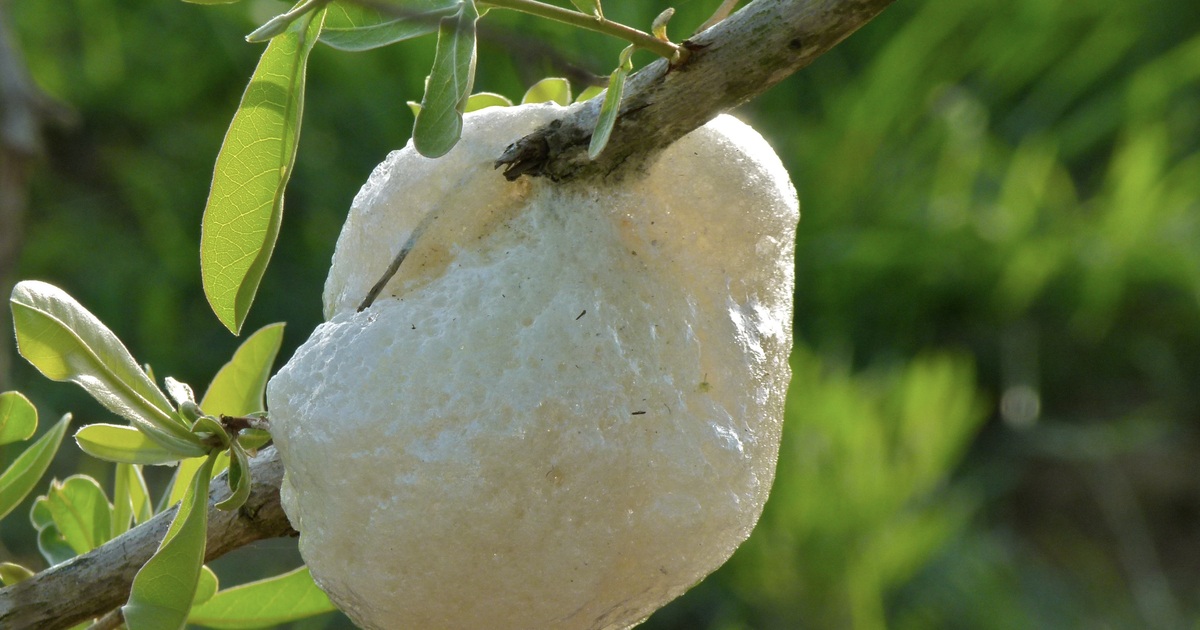
Source: Reddit
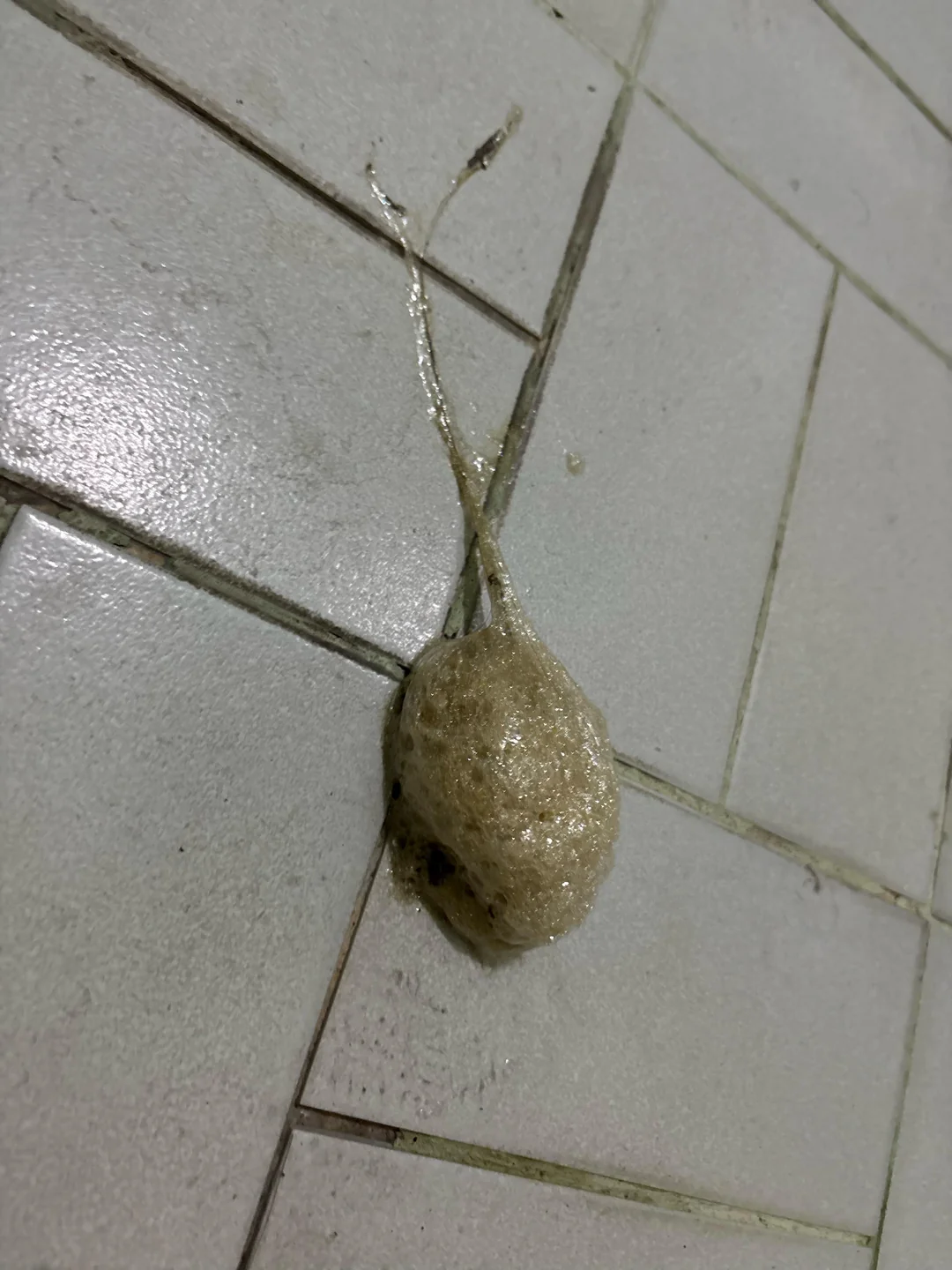
Have you ever walked into a mudroom or garden area and come across a gelatinous pouch stuck to the tile? You might not know whether to call it a foam sack, jelly, or sponge. It definitely looked weird, had some hairy, trailing strands, and maybe was about 3 inches long. It doesn’t look very alive, but then it twitches. What am I looking at here?
You’re not alone with this question. These weird blobs are baffling and of great curiosity to homeowners, especially in warm, humid climates. The answer? Likely a frog foam nest!
🐸 Frog Foam Nests: An Amphibian Incubator
Many frog species and most tropical/subtropical frogs will foam nest as a way to protect their eggs from predator attack, heat, desiccation, and other perils. Foam nests are often created when a frog (or toad) makes mucus secretions, then a male frog mates, and in a process called amplexus (the mating embrace), the female whip washes the mucus with her hind legs. The result is a stable and airy mass that may stick to leaves, surfaces, or, in this case, tiles.
Inside the bubbly foam sac? Maybe dozens or hundreds of frog eggs. Some species actually suspend foam nests over water, so when the eggs hatch, the tadpoles land directly into the water.
💦 What Happens When You Hose It Down?
If you have ever tried to spray away a foam nest (as this one was) you’ll notice it sticks like the proverbial super glue. As water disaggregates the foam in the sac, the result can be a jelly-fish looking form, with trailing strands behaving like tentacles. You may have even been able to see some action and movement—likely one of the developing froglets or a small, hatchling frog.
After hosing down the foam sac—actually, a report showed that a frog was hiding under their washing machine confirming the frog was the source; and a simple search for “frog foam nest” helped them solve the puzzle.
🛑 Should I Be Concerned?
A foam nest is of no concern to humans, and typically within 1-3 days the foam collapses or washes away as the tadpoles hatch and leave. Unless you have an unusual invasive species, there is likely no cause for alarm.
If you do not wish for frogs to breed in these spaces, you might consider carefully removing the foam nest (if it hasn’t hardened at that point) or keeping the area drier and less appealing for frogs to breed there. Otherwise, if you are a hearty admirer of nature, you might consider embracing the visit from local frogs to your home.
🧪 A Cool Biological Fact to Share at Your Next Gathering
The foam capsule contains anti-microbial compounds, plus protection from heat and UV; making it a fantastic natural incubator. Scientists are actually exploring amphibian foam as inspiration for medical and pharmaceutical products right now!
The next time you find a funny-feeling, squishy pouch in your garden or laundry room, please take a moment to refrain from grabbing the mop. You might be looking at an animal architectural marvel that is quite literally teeming with life.