Found A Small Metal Ball At Home? Check This First

July 11, 2026
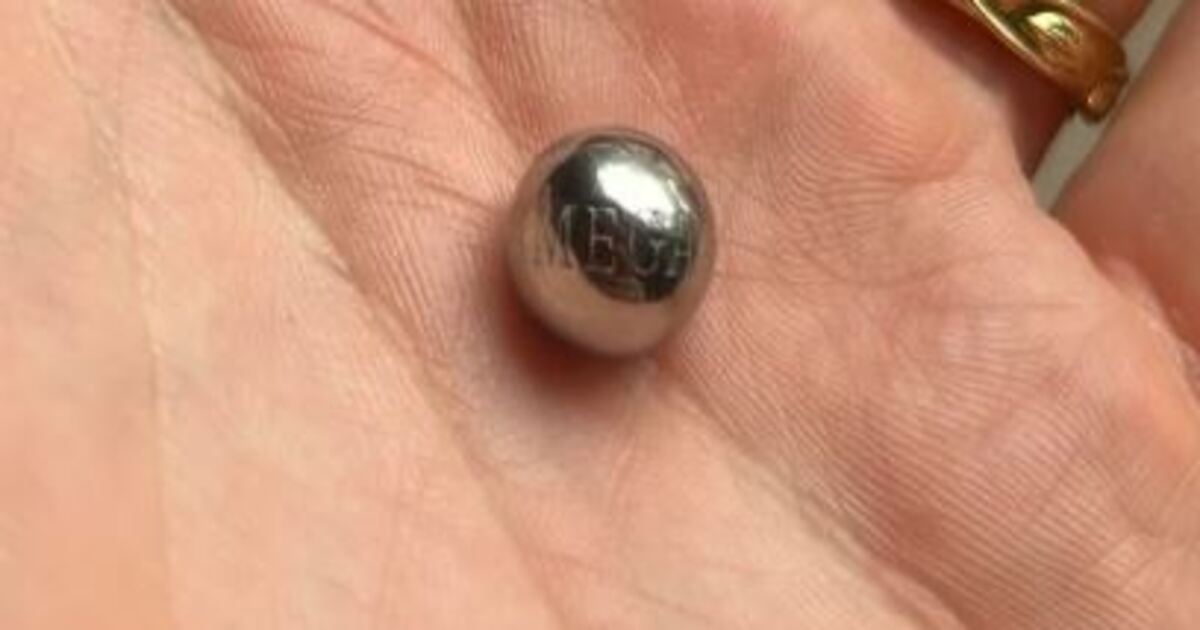
source: Reddit
Each house has some small enigmas. There’s a button shows up underneath the couch. A screw surfaces near the washer. And then there’s a shiny metallic sphere rolling all over the kitchen floor. And everyone is scratching their heads thinking “where did this thing come from?”
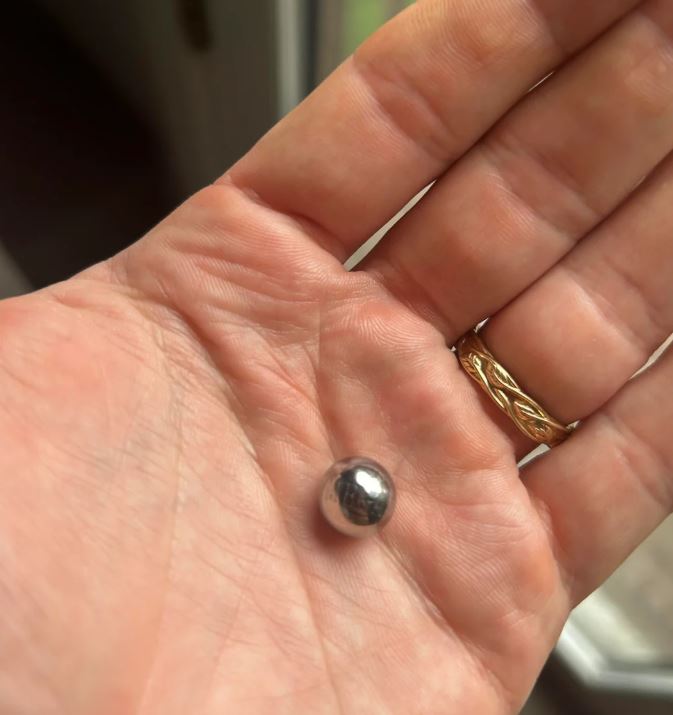
The item shown in the picture resembles a small stainless-steel bearing. This may be coming from the slide rail helping a dishwasher rack go back and forth. Even if this piece seems so simple it can help do a lot of things.
What does a dishwasher ball bearing do?
While some dishwashers utilize plastic wheel types. Many use the type of metal rail systems with bearings in them, and even a combination of both. This mystery ball-bearing that was found in your dishwasher may be sitting at the bottom of One of the rack-slide units. Its function is to allow for reduced friction. Thus, allowing the rack to operate and move with ease. (note) if this were not present, the rail would probably begin to feel bumpy or rough. Or possibly will appear to be off center or uneven.
People tend to overlook how much work the parts perform. A dishwasher rack operates, most likely multiple times per day. It is used to transport and carry; large serving platters, heavy dinnerware, etc. After extended periods of operation and usage, the rails and bearings will eventually deteriorate.
How did the bearing fall out?
Typically, a good rail system will maintain all of its bearings within the rail. If One falls out, this generally means something has failed. Possibly, the rail has expanded apart. Possibly, a plastic housing has worn thin. Also possible, an end stop has cracked/bent/loose.
More than likely, age has played a factor. Each time you pull/push/and load the rack into position; it weakens certain components. Heavy items placed on top of each other, and unevenly distributed weight adds additional stress.
Your dishwasher may continue to run properly. However; the mechanical aspects of the rack and rail hardware are separate from the heating element, pump, and spray arms. So, your dishwasher continues to wash dishes…while simultaneously possessing damage to its moving parts.
What should i check?
Slowly draw-out the rack and observe both sides. Is One side operating smoother than the other? Is the rack leaning/clicking/scraping/wobbling? Is One rail feeling loose? Inspect the rail assemblies for cracks, bent metal, missing clips, and/or broken plastic. Inspect the inside of the lower portion of the dishwasher as well. Additional bearings or smaller pieces may have dropped into the tub.
Before running another cleaning cycle; remove any loose debris. A metal ball must not remain inside the appliance where it could potentially roll-around causing more problems. Do not force the rack. If it becomes stuck/jams; forcing it further will only bend the rail or dislodge more bearings.
Locating your full model number before purchasing parts
When purchasing replacement parts for your dishwasher rack systems; many parts look alike; however they are not interchangeable. For your own safety, locate your entire model number. Typically located near your dishwasher doorframe; on the edge of the tub; or inside your dishwasher door.
Search for the exact rack track/slide rail/end-stop/rack adjuster based upon your model number. Some manufacturers provide individual parts for sale. Other manufacturers provide a full assembly for purchase. Although purchasing a full assembly for just One small bearing may seem extreme; it typically provides for a stronger repair since the track/housing has most likely been compromised.
A small piece from a more mechanized era
I find nostalgia in discovering a lost bearing. In years past, people would take faulty parts to local hardware stores. Behind the counter may have had drawers made of wood filled with clips; washers; springs; and bearings. You may have gotten lucky and purchased an identical match.
Nowadays, we replace full assemblies instead of parts individually. While this saves time; it makes this little steel ball feel old-school in comparison to newer appliances and diy fixes. It doesn’t have a sensor; screen; or circuit board. All it does is roll. But that simple motion allows a heavy dishwasher rack to operate effortlessly and lightly.
May i continue using my dishwasher?
That depends entirely on the state of your rack. If your rack continues to function securely; and if it glides evenly; you can most likely inspect the rails and purchase the necessary parts. However, please continue monitoring it closely.
However, if your rack begins to tilt; jams; drop;s or pull-away from One side; cease using it until you make necessary repairs to address the issue. Your loaded rack can quickly grow to be very heavy…especially when it is loaded with glassware and dinnerware.
It is worth noting that One failing bearing typically indicates that others are ready to fail as well.
Small warning significance
An unexpected dishwasher ball bearing may seem insignificant as merely a stray piece of metal. However; it could be an indication that your rack slide(s) have begun to malfunction.
Carefully inspect both rails; remove any loose debris; find your model number prior to making purchases for new parts. Early inspection now may eliminate potential future problems such as: a jammed-rack; broken-dishes; or costlier repair down-the-road.
At times…the least significant item in your kitchen serves as a clear indicator: what once operated efficiently-smoothly…may require attention.