Discover the Forgotten Tool That Every Old Home Needs!

August 3, 2024
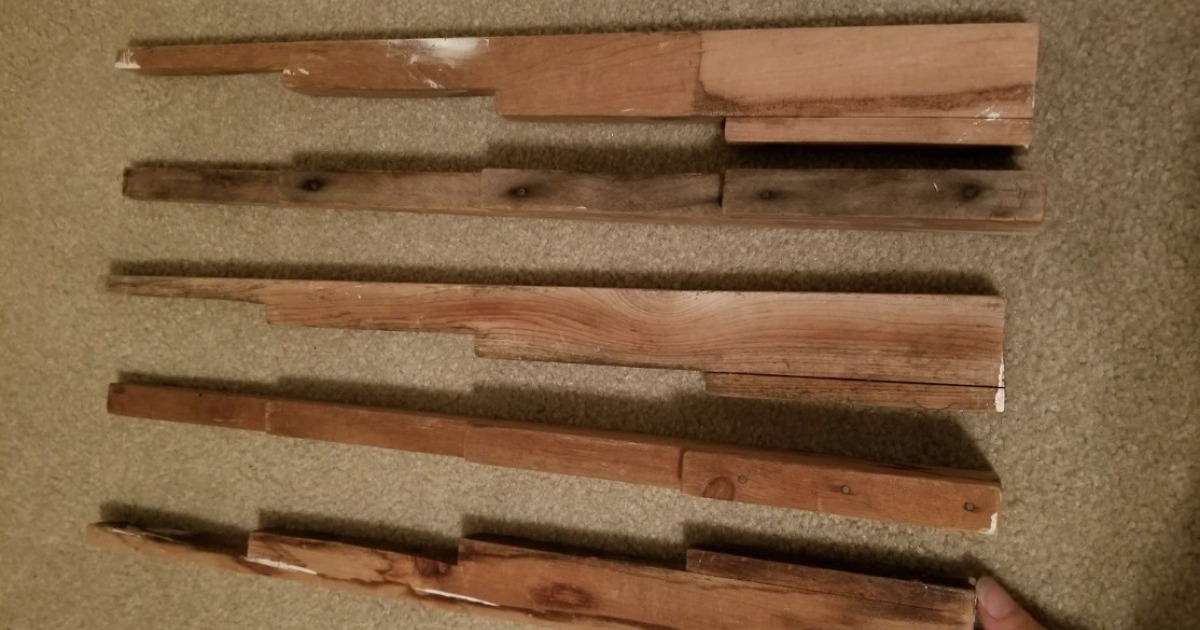
Source: Reddit
Do you recall the warm summer days when you where visiting your grandmother, the sun shining through the old window panes with the patterned glass? Perhaps, you can still hear the squeaky sound that the window sash made when it was opened and then supported with a book or a wooden stick so that it would not close on its own. These memories are not just bits and pieces of the past, but are rather a look into a society that knew how to live with less, and make the most of what they had.
Every house has its own peculiarities, and one of the most frequent issues is that the windows are rather difficult to hold in the upper position. These early and elegant windows are fitted with sash cords and weights that were a real engineering feat in their time. However, with time the cords wore out and the counterweights would either become missing and this posed a challenge to homeowners on how to keep their windows open.
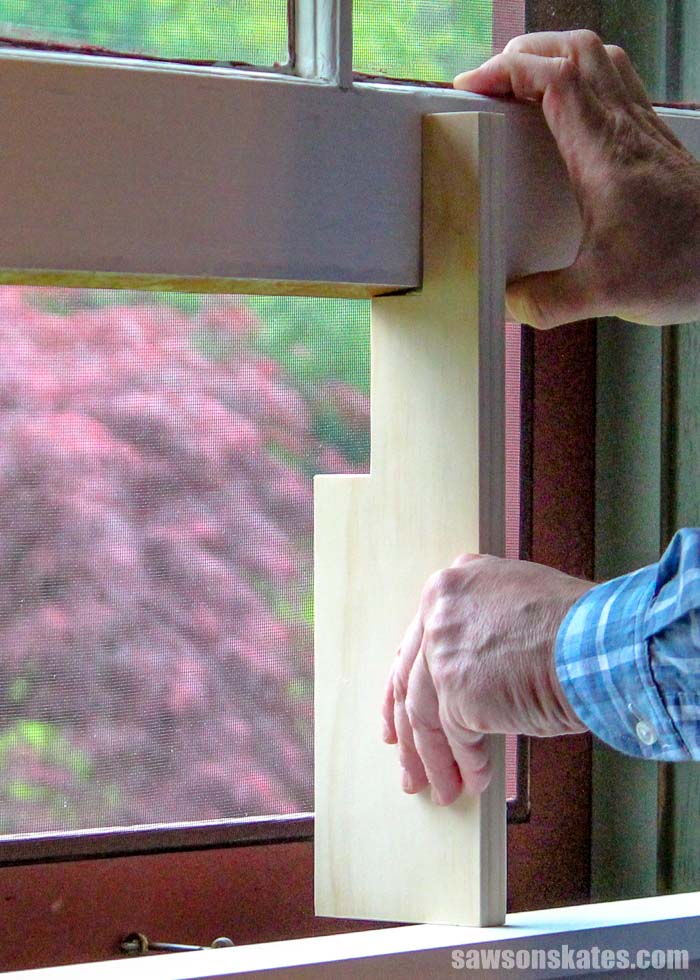
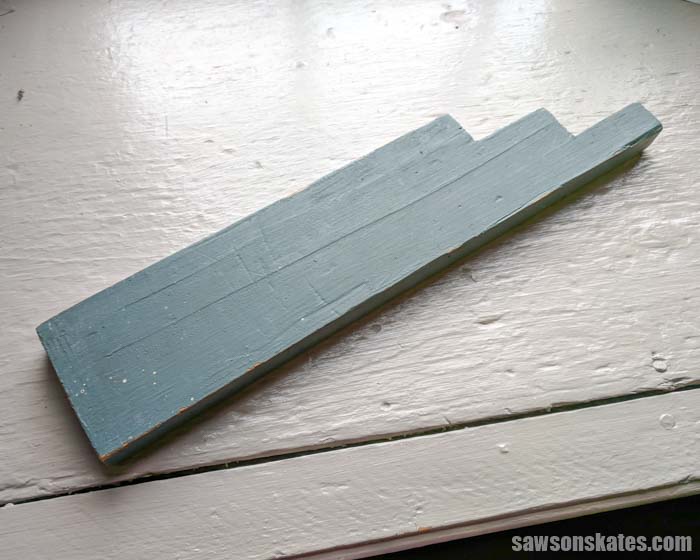
In the present day therefore, people resort to the hardware store to get the solution to their problems. Back in the days, an innovative mind and some pieces of timber were enough. Still, there is hope in the form of the stepped window prop, a neat and rather effective answer to a familiar issue in period homes.
These wooden planks were not just the everyday use items; they were the relics of a previous generation’s ingenuity. Every level of the plank had different heights for the window, this gave the homeowner the ability to regulate the amount of fresh air that was coming into the home. These props also became very useful in the aspect of insulation especially during the winter season. They also put storm windows on the outside and stuffed in insulation to make sure that the homes would not be cold drafts from the old windows.
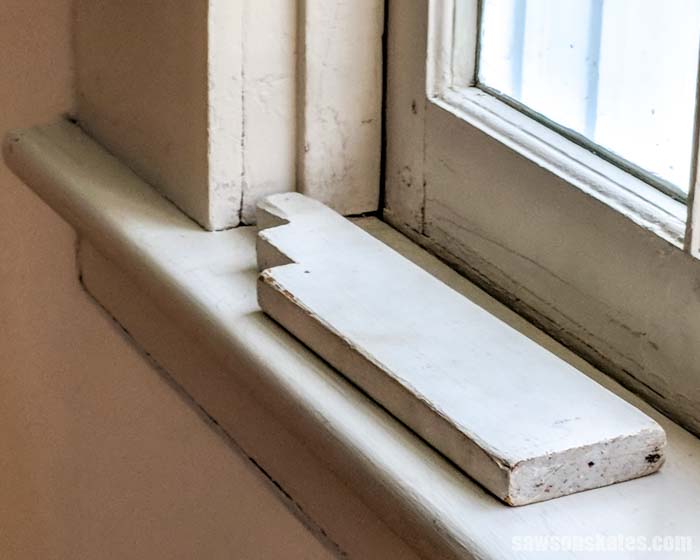
Such solutions are in tune with a general cultural tendency of people to be more self-sufficient and less wasteful. People of such time didn’t have central heating, proper insulation or any other gadget to make their homes warm and cozy, yet they tried to find some ways to make their homes warm and more comfortable.
Discoursing about these wooden planks is like discussing with a friend about the sweetness and difficulties of living in an old house. It is a friendly and comfortable dialogue, which brings us to the past, when all the difficulties could be solved with the help of manual work. These wooden planks are not mere logs of wood; they are an epitome of the creativity that was prevalent in the past generations.
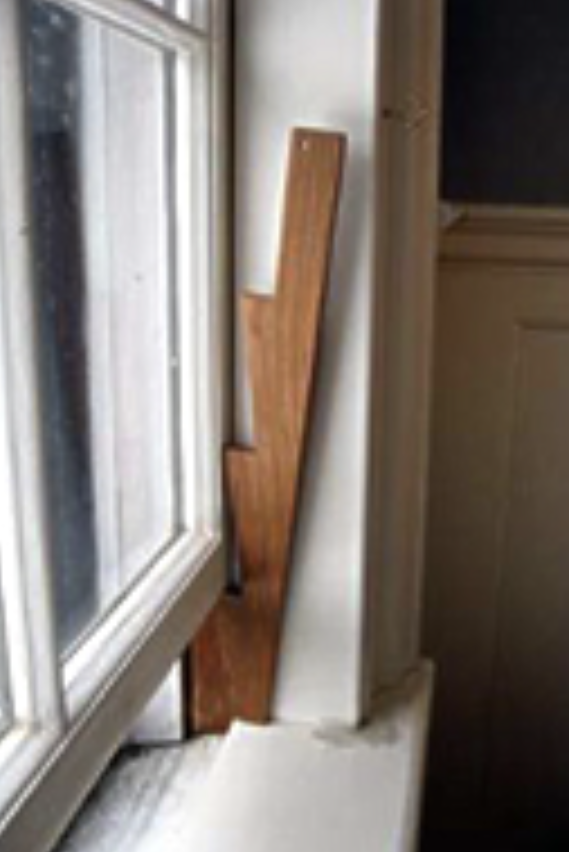
Hence, staying in an old home has its own disadvantages but it also has its own beauty that the new houses do not possess. These are things that can be associated with the character of such house; noises and drafts, and using solutions like these wooden window supports makes the process of keeping the house more enjoyable. It is about remembering who we were as a people and preserving the virtues of an earlier generation.
Just picture this; it is a cool morning in the fall and you are stepping into an old house. The environment outside is fresh, and the air is cool but stepping inside the compound, one is welcomed by a warm comfortable environment. The windows are slightly opened to allow fresh air in and have wooden bars with a nice step like arrangement to hold them open. These planks which are created with much thought and precision are not only functional in their use but also hold a history of innovation and memories. They are rather limited but they are still quite important as they contribute to the enjoyment of owning an old house.
Thus, accepting these small changes from the past, we are touching the creativity and the best minds’ works of the previous generations. The wooden window props are not just objects; they are a connection to the past where every home improvement was a passion and innovation did not mean searching for the next best product in the market. Therefore, the next time you support an old window with a piece of wood, just take a moment to enjoy this basic, yet elegant piece of furniture.