Did You Ever Hear This Roaring Above The Hallway?

September 25, 2026
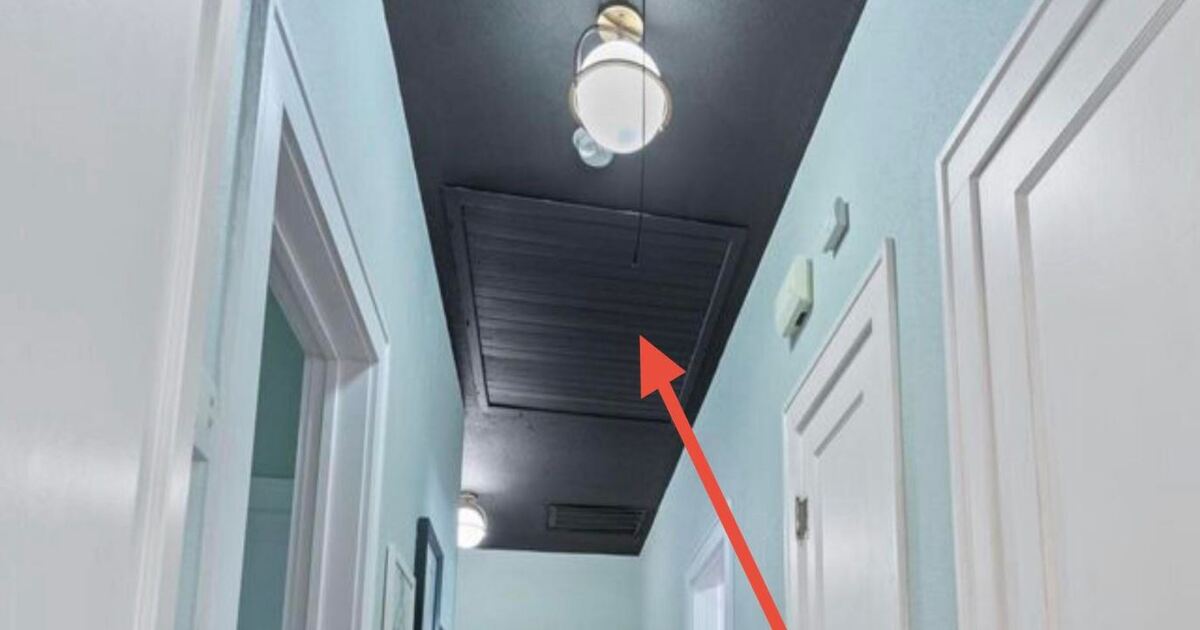
source: Reddit
You probably have a vivid summer memory, if you grew up in an older American home, of the thing pictured above. You opened a few windows, someone turned on the switch and suddenly the whole house fan jacket roared to life. Curtains fluttered across windows, doors glided ajar with tiny errant exhales and rejuvenating waves of cool evening air skirted rooms.
In the absence of central air conditioning, this is how most families kept a house cool. Those massive fans that blew air down the hall were simple, loud and difficult to miss.
The Whole House Fan Was Tough to Ignore
A traditional whole house fan sits somewhere in the ceiling of a central hallway or by a stairway. There was a big opening covered by metal louvers and behind that, there was a hefty fan that could move air through the majority of the house.
The idea was simple. When the outside temperature cooled off, homeowners opened several windows and turned on the fan. It drew warm indoor air up into the attic and pulled cooler outside air inside through the open windows. It created warmer air in the attic, which was vented away.
It did not blow out cold air like an air conditioner; in fact. Rather, it employed the cool evening air already existing outdoors.
Basement Than Mid-century Home That Had a Whole House Fan
Middle of the 20th century whole house fans were inherently commonplace in numerous homes. Before central air-conditioning infiltrated every household, Americans solved the problem with open windows, screened doors, table fans and other clever hacks.
And the whole house fan was exactly what fit into that routine. Families could wait till the evening when its cool before calling for air and then break open home. Fresh air began flowing through the rooms minutes later.
These fans still exist in some of the older houses. Those were really neat things, but that louvered vent in your hallway ceiling? While it would seem to be a leftover remnant of the old heating system, what you may have is an ancient whole house fan long since dead and silent for decades.
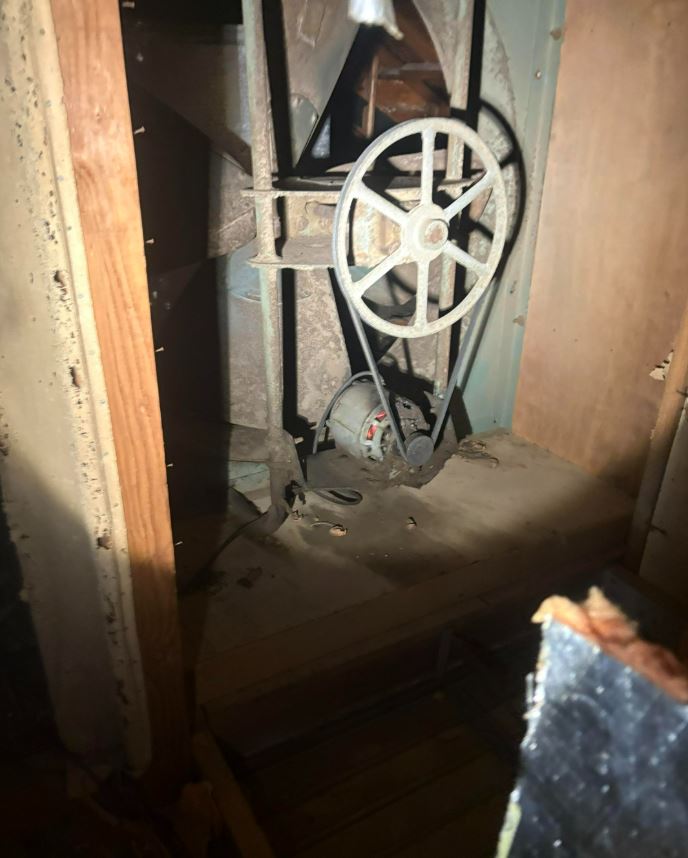
You Were Used to Being Able to Turn It On
The fan was frequently put to use like an occasional household ceremony. Somebody had to open the windows before anyone flip the switch. Parents would yell down the hall for everyone to open their bedroom window.
The following sound was one that you don’t even have to think about – the roar of the motor being fired up. The louvers opened, letting the air begin its drift towards the hallway. Windows opened, doors moved and rooms that had grown stagnant for much of the afternoon blew with a constant wind.
That airflow could be very nice for children attempting to sleep on a sizzling summer time night. The air kept moving so at least everything felt a little less suffocating level even if the house wasn’t cold in an instant.
At Least Those Older Fans Were Not So Silent
Older whole house fans could be quite noisy. There mechanical hum was a deep enough pitch to fill the hallway and at times resonate into every room. They were anything but the mute appliances of today.
So then the sound became part of summer. Blended in with the crickets outside, the TV on in the front room and every now and again a screen door being slapped. You could tell the fan was running because the whole house felt like it vibrated.
Constructed years later, that noise is almost unreasonably nostalgic. It was the kind of thing that was just part of home life, like the hum of an old refrigerator or the rattle of a window air conditioner.
Why Did Whole House Fans Go Out Of Style
Whole house fans were most effective after the outside temperature had fallen during the evening. They could make the most difference on pleasant, cool nights. But they had severe downsides, particularly on hot humid nights.
Homeowners began having more control over their indoor temperatures as central air conditioning became most popular. They could close the windows, turn down the thermostat and cool the house even during the hottest part of afternoon.
Older whole house fans were often removed altogether, or simply fell into disuse. Some stayed hidden under hall ceilings for future homeowners to discover, as a delightful surprise during renovations.
The idea itself never disappeared. Whole house fans that work really well exist, and the newer models can be quieter and more efficient. But the legacy corridor models had a charm of their own.
A sound to recall an entire summer
Household technology, when it grows old along with you, has a tendency to cling to recollections. A rotary phone’s ring, an ice tray clunk and a screen door squeak are but some of the sounds that can instantly transport you to a time.
Memories of whole house fans work the same way for some folks. The low drone, the windows down, the rush of evening air … all can be memories from summers eons ago.
It was not glamorous, by any stretch of the imagination and it certainly had no quiet. But when that great monster began spinning above head and clean air coursed through the whole house, it worked. And sometimes that light breeze on a cool evening is what people remember most.