This Strange Vintage Chili Pepper Has A Secret!

October 13, 2026
source: Reddit
Every now and then, an unusual vintage object turns up that leaves everyone scratching their heads. Some are easy to recognize, while others have such strange designs that it’s hard to imagine what anyone used them for.
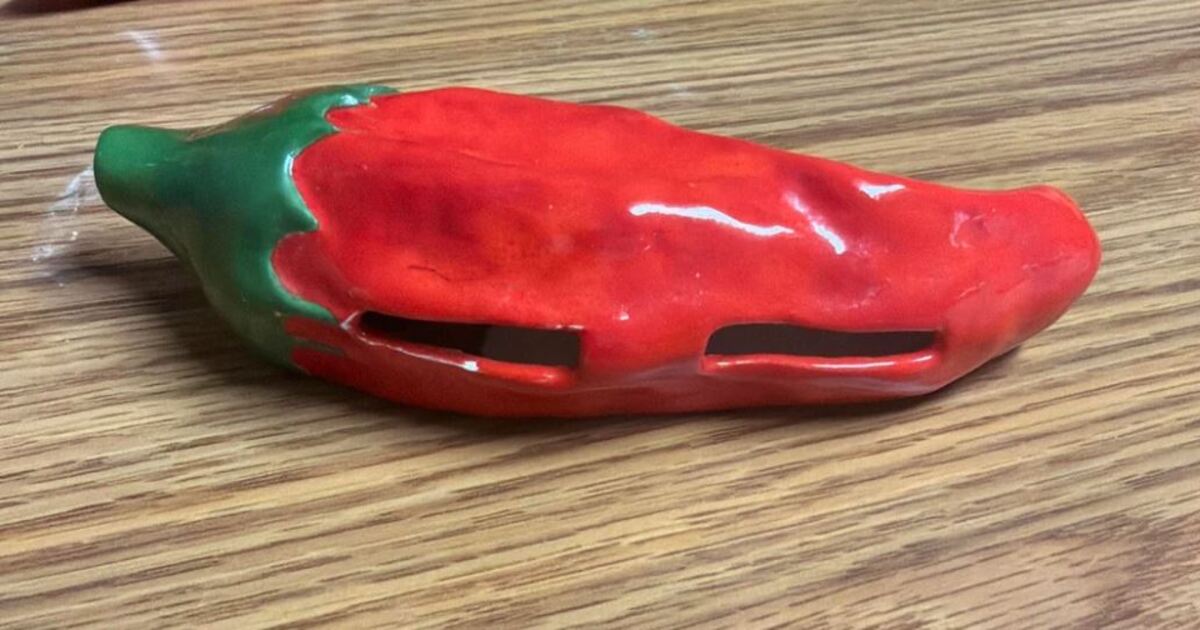
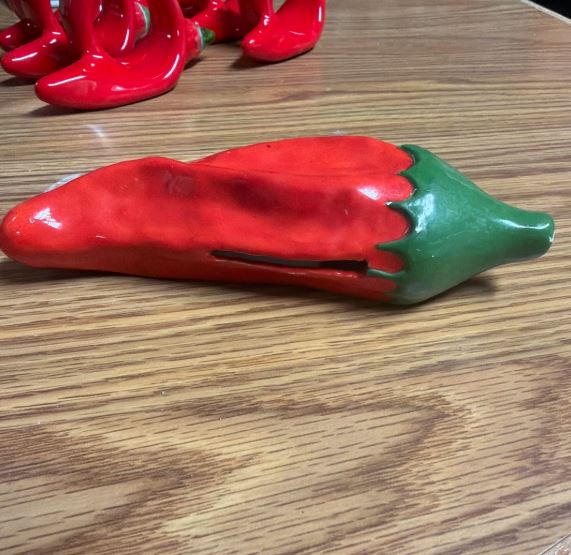
One such mystery involves a bright red and green ceramic chili pepper. At first glance, it looks like an ordinary kitchen decoration. However, a closer look reveals a large hole on the back and two narrow slots along its sides.
So, was it simply decorative, or did it serve a practical purpose?
The most convincing explanation is that this vintage ceramic chili pepper holder was used for hanging strings of chilies, possibly while they dried. It’s a clever little object connected to an old food preservation tradition.
What Makes This Vintage Ceramic Chili Pepper Holder Unusual?
The object resembles a large red chili pepper with a green stem and a glossy ceramic finish. Its bright colors would fit perfectly into a rustic or Southwestern-style kitchen.
However, the openings suggest it wasn’t made just to sit on a shelf.
The large hole on the back could allow someone to hang it from a hook or nail. Meanwhile, the two narrow slots appear suitable for holding string or twine.
This suggests that the ceramic pepper could act as a decorative holder for a hanging arrangement of real chilies.
Although the manufacturer and exact age remain unknown, the design makes this explanation quite convincing.
The Old Tradition of Hanging Chilies to Dry
Long before modern food storage became convenient, families relied on simple ways to preserve their harvests. Drying was one of the easiest methods, especially in warm, dry climates.
In New Mexico, people traditionally hang strings of red chili peppers called ristras. These colorful arrangements serve both practical and decorative purposes.
To make a ristra, people tie mature red chilies together by their stems and hang them in a well-ventilated location. As the peppers dry, they lose moisture and can last much longer when stored properly.
Families can then use the dried chilies in sauces, soups, stews, and other dishes.
Over time, ristras became familiar decorations on porches, patios, and outside kitchens. In New Mexico, they also became symbols of welcome and hospitality.
How Did the Ceramic Chili Pepper Holder Work?
The design of this vintage ceramic chili pepper holder offers a simple explanation.
Someone could hang the ceramic pepper from a hook using the large opening on its back. Then, they could thread string through the narrow slots and attach a bunch of fresh chilies underneath.
The result would be a colorful hanging display, with the ceramic pepper sitting at the top and real chilies hanging below.
Traditional ristras don’t require ceramic holders. Usually, people hang them directly from a loop of sturdy twine. However, a ceramic topper would provide an attractive alternative.
The exact way the string attached to this particular object hasn’t been confirmed, but the openings certainly support the idea.
When Kitchen Decorations Were Also Useful
One of the charming things about vintage kitchenware is how often decorative objects served practical purposes.
Older kitchens featured all kinds of ceramic accessories, including wall pockets, spoon rests, salt containers, and hanging holders. Some helped with everyday chores, while others simply brightened the room.
Fruit and vegetable designs were especially common. Apples, mushrooms, strawberries, and peppers appeared on everything from canisters to wall decorations.
This ceramic chili pepper fits that tradition perfectly.
Instead of hanging a plain string of peppers from a nail, someone could have used this cheerful little holder to add color to the kitchen or porch.
Without a maker’s mark or original packaging, it’s difficult to determine when it was manufactured. Still, its appearance and design make it an interesting piece of vintage kitchenware.
Why Did People Hang Chilies?
Hanging chilies wasn’t just about decoration. It was also a practical way to preserve food.
Fresh peppers contain moisture, which makes them spoil more quickly. Drying removes much of that moisture, allowing people to store peppers for future cooking.
Hanging also provided a convenient way to manage a large harvest without spreading peppers across tables or countertops.
Of course, successful drying requires suitable conditions. Good airflow is important, and some thicker peppers may spoil before they dry completely.
Today, people continue to make ristras for both cooking and decoration. The colorful strings remain closely associated with Southwestern homes and traditional food preservation.
A Small Piece of Kitchen History Worth Remembering
What makes this vintage ceramic chili pepper holder so interesting isn’t just its unusual appearance. It’s the possibility that a simple decoration once played a role in an everyday household tradition.
At first, the object raises plenty of questions. Is it a wall ornament? A strange kitchen utensil? Perhaps part of something larger?
Then the openings provide a clue, and the connection to hanging chili ristras starts to make sense.
Although its original purpose hasn’t been documented, a decorative holder for strings of chilies remains a convincing explanation.
It’s a reminder of a time when people preserved their harvests using simple methods and often found ways to make practical household items attractive.
And that’s what makes discovering forgotten vintage objects so enjoyable. Sometimes, a strange little ceramic pepper can tell us something interesting about the good old days.