Can You Guess What This Old Fireside Object Was Used For?

May 20, 2026

source: eBay
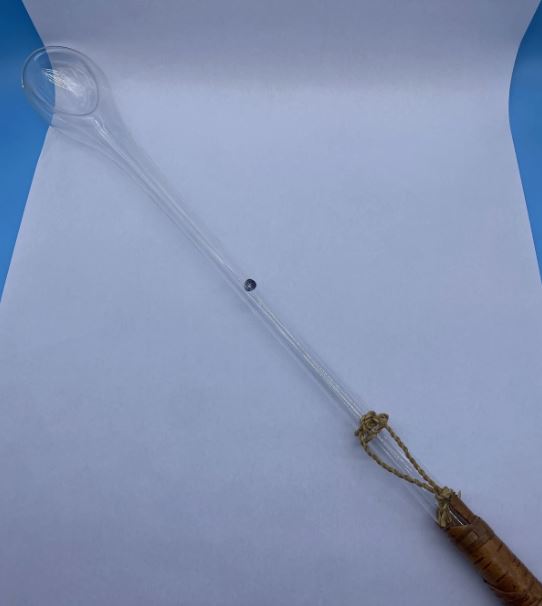
Some items are known to carry the scent of smoldering wood smoke. A glass blower’s grill is such an item. On initial viewing the item appears to be somewhat of a mystery. Although it is neither a fork nor a pan; it is far from being a contemporary fire place Tool. However, sitting next to a fire lit stove, the function of this item will become very apparent.
Glass blower grills were created with three things in mind. Heat, time, and simple foods. As a result, people would use these to toast or warm up small portions of food over an open flame. Prior to the existence of electricity, microwave ovens, and instant controls that populate our kitchens Today, fire served many functions beyond heating your home. Fire provided supper, heated your hands, dried wet clothing and turned everyday bread into something delicious.
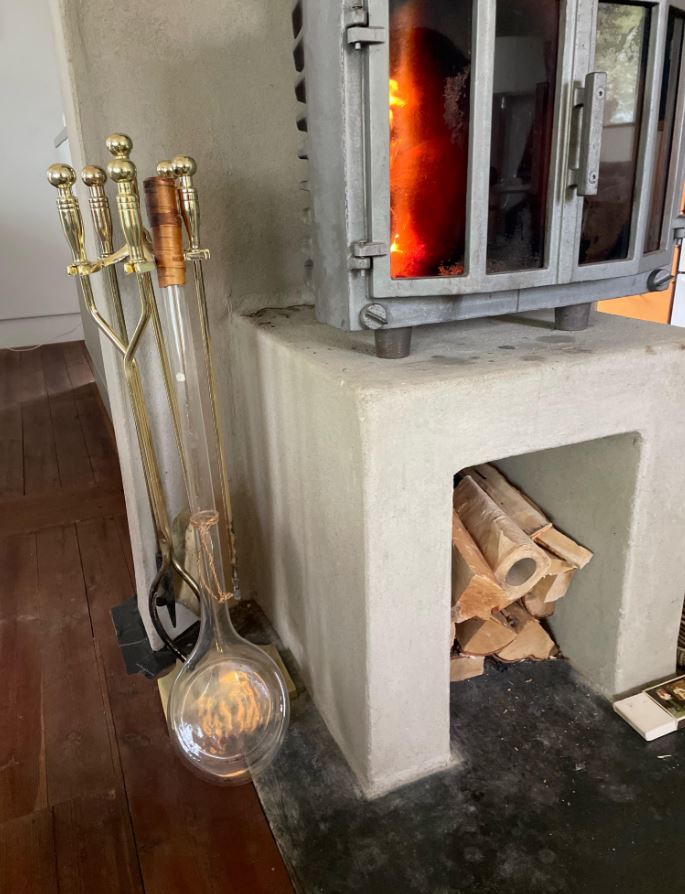
This particular grill has that same “old world” feel to it. The length of the glass handle allows you to keep your hand away from the heat. The curved portion of the end captures the glow of the fire. Alongside other brass tools and the stack of logs, it seems perfectly at home.
What is a glass blowers grill?
A glass blower’s grill is a long handled cooking device that sits on top of a fire and is designed to warm or cook foods. The name of this device points to two aspects of it. First, the name references the glass that makes up the body of the device. Second, the name refers to the craftsmanship that went into creating it. Glass blowing is an ancient art form which originated in the eastern Mediterranean area during the first century b.c.
Because of its age, and the fact that it was both functional and beautiful, the Tool carries additional significance. It was not just useful, it was a testament to a craftsman’s skills. In order to create a glass blower’s grill, One had to understand several elements of heat, timing, air flow, and balance. These same considerations applied near the hearth where this device was used. In addition to being long enough to allow safe working distance from the heat source, the device had to be lightweight enough so as not to cause fatigue when handling.
The rounded end of the device probably allowed cooks to bring their food closer to the flame. Consider some examples of what might be cooked in this way. Examples include sliced bread, roasted chestnuts, grilled sausage, melted cheese, or small pieces of meat. Not overly complicated fare. Just food and heat and attention.
How fireside cooking was different than modern cooking
Modern cooking provides us with control. We set temperatures on a dial or select buttons on a digital panel, and then we get a signal when our food is done. When cooking over a fire, however, someone had to attend to the flames themselves. Someone had to determine if the heat coming off the flames was sufficient by observing the flame’s size and color, the amount of smoke it produced and the sounds it produced.
As noted earlier, a wood fire changes constantly based upon factors including oxygen levels, humidity and moisture content of surrounding materials (including wood), wind direction and velocity, etc.. At One point it may be burning intensely producing large amounts of orange colored flames. The next moment it may settle down into smaller red embers. And finally, when a log rolls and creates a spark fly upwards through the flames. In response to each of these changes, cooks needed to adjust accordingly. The rhythmic nature of adjusting to each change in fire conditions lends to a quality of food preparation that cannot be replicated by any kitchen timer.
An artifact from another era
There exists within us an undeniable sense of nostalgia for items reminiscent of simpler times. This includes long handled cooking devices sitting next to stoves on cold winter nights surrounded by woolen socks hanging from radiators, heavy drapery blocking drafty windows, and soft crackling sounds emanating from logs burning in fireplaces. While individuals may have never actually used an antique glass blower’s grill to prepare their meals, they can certainly appreciate the essence of what it represents.
For centuries prior to electric appliances filling homes with various types of lighting and heating systems, firesides represented the hubbub of family activity. The warmest rooms in homes became places where families gathered together for conversation and socialization. Children completed their homework nearby. Parents read newspapers or mended clothing while watching flames flicker across walls. Foods prepared over an open flame sitting near that same fire seemed to represent an extension of that room itself.
When comparing toast prepared over an open flame versus toast produced by a machine, there is no question which produces better tasting toast. There is no doubt that toast prepared over an open flame browns irregularly and One side may develop a slight charring effect due to differences in heat distribution resulting from being cooked over an open flame rather than by means of radiant heat generated by electric appliances. However, that difference was One of the charms associated with cooking over an open flame.
The simplicity of traditional food preparation
Older kitchens required fewer options than newer kitchens require Today. Meals were made primarily from simple ingredients combined with good timing. Direct heat proved effective for preparing bread, potatoes, onions, apples, cheese, bacon, fish and sausages.
Consider yourself standing next to a cold stove on a chilly winter evening holding onto a glass blower’s grill. The aroma filling your home comes from splintered wood and warm dust rising from the baseboards. Your food starts sizzling on the grill. Someone says “be careful; don’t let it burn.” Another person adds “burnt is usually the best part.”
Foods prepared directly above an open flame often taste better because of the experience involved in cooking them. You wait, you watch, you participate in the cooking process. Your meal does not magically materialize out of thin air. Rather it results from hard work, heat and attention.
Why we continue to enjoy items such as this Today
Although Today’s usage of a glass blower’s grill is most commonly as decorative rather than as a daily kitchen Tool; nonetheless it remains valuable as an educational Tool representing another era of living. The device represents how households operated at a slower pace during older times. Households in years gone by were able to repair items. Reuse items were common practice. Homeowners possessed knowledge regarding their tools.
Additionally this type of device speaks to people enjoying gatherings around sources of heat. Even Today, fireplaces transform rooms.
However anyone wishing to utilize an antique fireside Tool Today needs to exercise extreme care when doing so. Antique glassware has inherent weakness areas, and obviously open flames pose risks requiring precautions.
Regardless as an item worthy of admiration alone; the glass blower’s grill shares with others a charming story.
A brief history of an item with a cozy feel
The glass blower’s grill serves as a reminder of when fire served two purposes simultaneously. It warmed food and provided comfort for family members alike. It belonged to an era that consisted of toasted breads, glowing coals, polished brass hardware and hands placed toward a stove after walking back into your home on cold days.
You may not find yourself reaching for this type of device on a daily basis Today. However that is exactly why this item holds such interest for you Today. It represents how much activity occurred around firesides in previous generations. A simple cooking Tool could provide warmth for food, begin conversations among family members, and convert ordinary moments into memories of ordinary experiences experienced together.