Why Black Gunk Might Come From a Shower Overflow

June 15, 2026
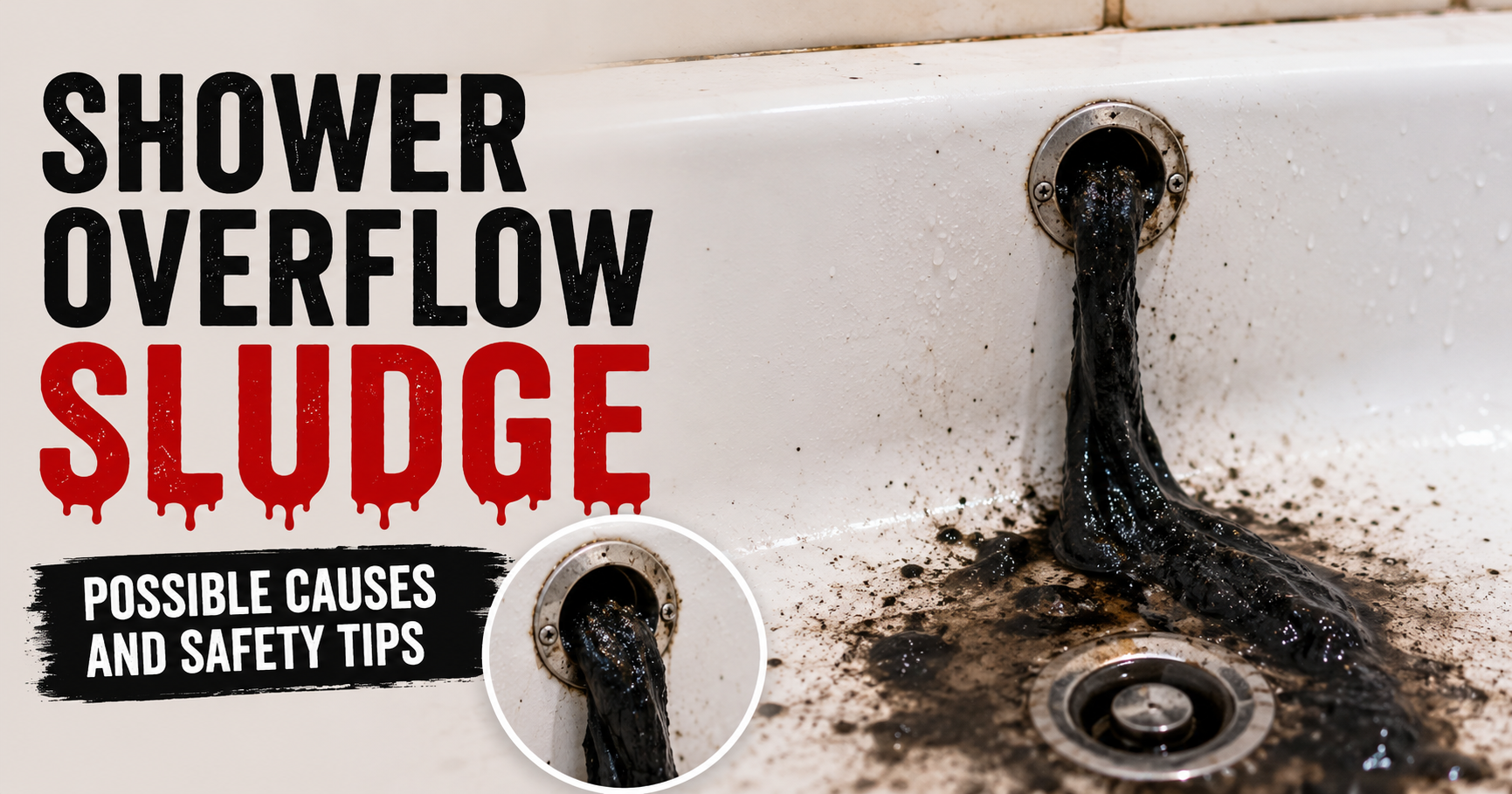
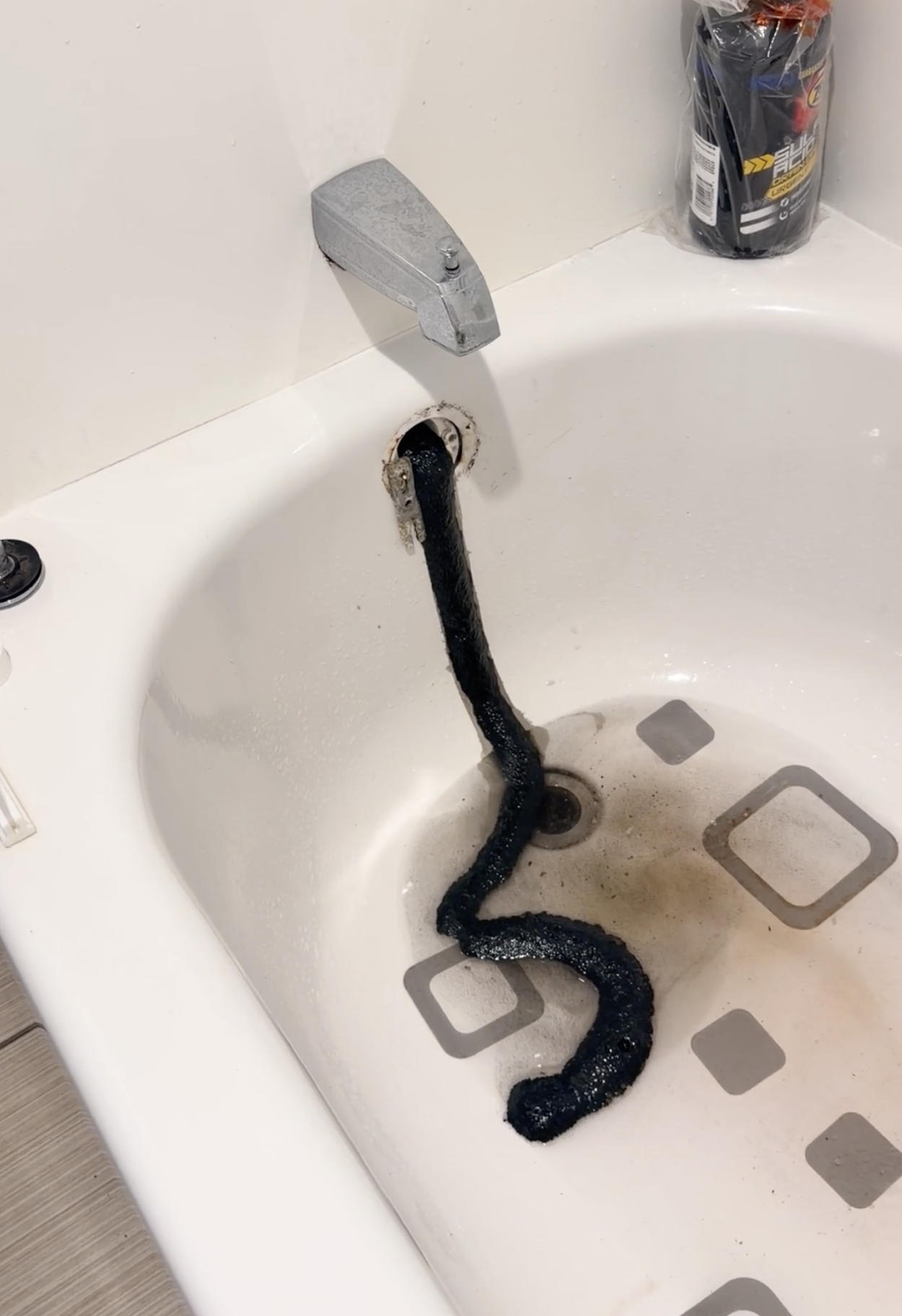
While seeing black sludge from a shower overflow is certainly eye-catching, and possibly nauseating, it is always best not to jump to conclusions. While it could be many different things, without the assistance of a plumber examining your drain, no one will ever know for sure based solely on a photograph of the spill.
Still, there are a couple of likely explanations:
Possible explanation: bio-slime/drain gunk
Bio-slimes, commonly referred to as “drain gunk,” develop when various substances such as soapsuds, hairs, body oils, dead skin cells, shampoo residues and bacteria accumulate over time within a drain or overflow pipe. Over time, these materials can adhere together and build-up inside a drain or overflow pipe. Once the flow of water is disrupted (e.g., due to a drain backing up) or once the internal pressure within the piping system changes, the built-up materials may break free of their attachment and exit through the overflow port.
Because bacteria thrive in warm moist environments, the resulting bio-slime typically has a strong odor.
Possible explanation: old plumbing material debris
Alternatively, the black sludge exiting from the overflow hole could result from old piping. As older pipes age, they collect a layer of grime and/or corrosion products. Additionally, mineral deposits may form as minerals dissolve from the surrounding environment and deposit onto the interior surface of the pipes. When a clog is dislodged within the pipes, some of this debris can enter the overflow hole. Depending upon the type of debris present, it may resemble thick black mud or tar. While much of the debris exiting the overflow hole will consist of organic waste matter (such as soiled mucus, hair, etc.), it could also include rust particles, pipe scales, mineral deposits, and old drain residue.
Possible explanation: backed up sewer/drain
Another possible explanation is backed up sewers/drain. Wastewater which cannot pass through the piping system may seek alternative paths to discharge. one of these alternative pathways could be the overflow hole. Backed up sewers/drain can occur for a variety of reasons including a clogged trap under sink basins, clogged drain lines or clogs further upstream in the piping system. Because hotels share plumbing systems, identifying and addressing backups in shared systems can be more complicated.
If the sludge has an unpleasant odor similar to raw sewage, the tub drains very slow, or water backs up elsewhere; you should contact Hotel management immediately.
Possible explanation: unusual chemical reactions/cleaner residues
There are instances where drain cleaners or highly alkaline/acidic chemicals have been left sitting within pipes. These chemicals react with existing buildup in the pipes producing unusual odors/color/foams/sludges.
Therefore, guests should never attempt to add additional bleach or drain cleaners to the tub to solve any issues. You would have no idea what chemicals were previously added. Adding multiple chemicals can produce toxic gas.
Possible explanation: Mold/mildew/Hidden Growth
Bathrooms remain damp (especially around drains and overflow ports). Under these conditions Mold/mildew may develop in hidden areas. Soap residue and dirt accumulated on surfaces provides food for Mold/mildew growth.
Typically, Mold itself does not produce a large amount of slime. However, it could contribute to any mixture of materials found in the overflow port. Poor ventilation/bathroom moisture problems for extended periods could also play a role.
What you can do in a Hotel
Do not touch it with bare hands. Do not try to rinse away and use shower again.
Take a picture/video and immediately inform Hotel management. Request another room. Asking for another room is completely reasonable as this room requires adequate cleaning and inspection of the drain/plumbing system.
Hotel management must clean the overflow and drain line properly instead of just wipe down the sludge from the visual area. Hotel management should properly check the overflow and drain line as well as any potential clog.
What you can do at Home
Prevent young children/pets from entering near the tub. Open windows/turn on exhaust fan to ventilate bathroom. Wear disposable gloves if you need to clean anything.
Dispose of all visual materials (paper towels/disposable rags) containing sludge in sealed plastic bags. Thoroughly wash down entire area with water. Clean with only one cleaning solution at a time. Follow manufacturer’s instructions.
Never mix bleach with any other cleaning solutions (drain cleaner, ammonia, vinegar etc.) as this can release harmful gases.
When to call a plumber
Call a plumber if:
• the sludge persists
• the drain emits a pungent odor
• water takes longer than usual to drain
• tub creates gurgling sounds
• wastewater backs up
• the same material continues to exit the overflow hole.
A plumber can Remove the overflow cover plate to view the contents of the pipe, assess why the problem exists and eliminate any obstructions that exist along with evaluating why the problem exists (bio-growth buildup in pipe etc.).