An Everyday Object Lost To Time

November 9, 2026
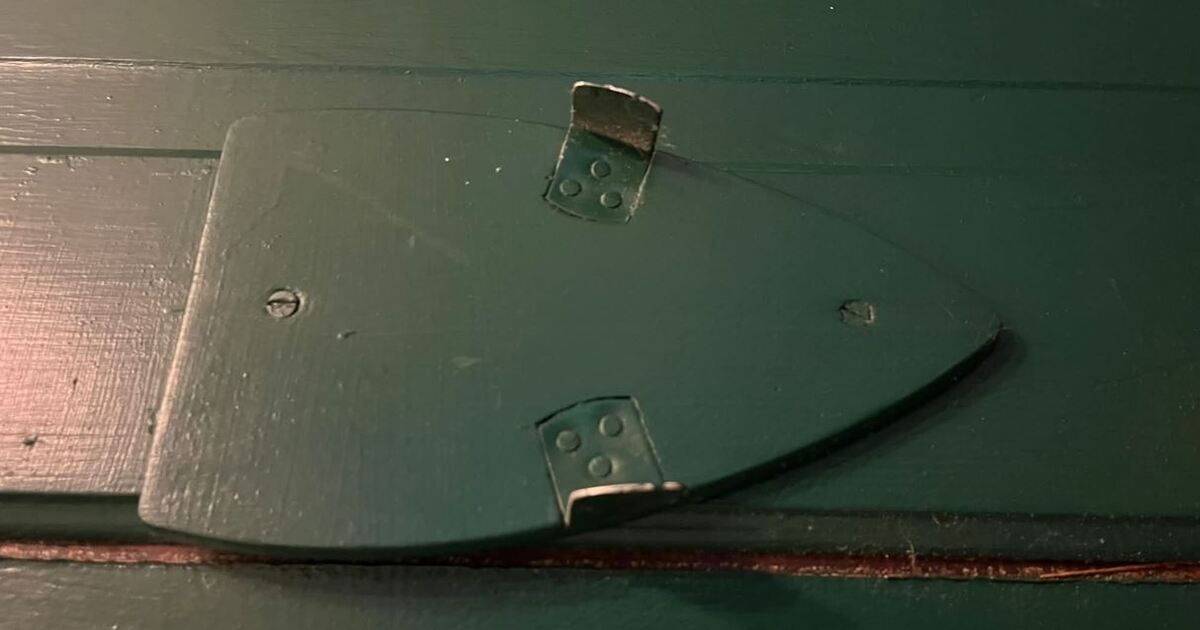
source: Nina Donner Moring/Facebook
There was a time when ironing clothes meant much more than plugging in an appliance. It involved a hot stove, a heavy piece of cast iron, and plenty of patience. Even the smallest accessories had a purpose, including the metal holders and rests used with old-fashioned irons.
Today, antique flat iron holders can look rather mysterious. Some resemble simple metal brackets, while others have shaped plates or small supports. Without the original iron, it isn’t always obvious what they were meant to hold.
Yet these forgotten accessories remind us of a time when laundry day required hours of hard work.
What Were Antique Flat Iron Holders Used For?
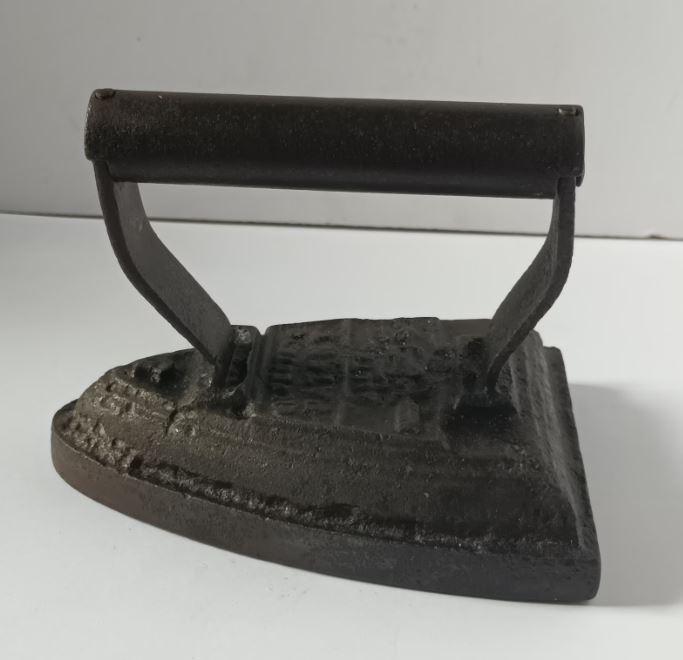
Before electric irons became common, people used heavy metal irons to smooth wrinkles from clothing, sheets, and tablecloths.
These tools were known as flat irons or sad irons. Despite the unusual name, the word “sad” came from an older meaning associated with something solid or heavy.
Most traditional flat irons were made from cast iron. People heated them on a stove before pressing them across damp fabric.
Of course, a hot iron needed somewhere safe to rest.
Some households used small metal stands called trivets. These protected tables and other surfaces from heat. Other holders provided a convenient place to store ironing equipment when it wasn’t being used.
Antique flat iron holders came in various shapes and designs, depending on their purpose.
When Ironing Was a Much Bigger Chore
It’s easy to forget how physically demanding ironing once was.
During the 19th century, a typical flat iron could weigh between five and nine pounds. Imagine repeatedly lifting that weight while pressing shirts, dresses, and bed linens.
And that was only part of the work.
Traditional irons gradually lost their heat. Once an iron cooled, it had to return to the stove.
Many households kept several irons heating at once. That way, someone could exchange a cooling iron for a hot one without interrupting the work.
The process was particularly uncomfortable during summer. A hot stove could make an already warm kitchen almost unbearable.
There was also the problem of soot. Irons heated on coal-burning stoves needed regular cleaning to avoid staining freshly washed clothes.
The Little Iron Rest That Made a Difference
Although the flat iron was the main tool, its accessories played an important role.
A metal trivet provided a place to put down a hot iron without damaging the surface underneath. Some were plain, while others featured decorative patterns and cast-metal designs.
Other holders helped households organize their ironing equipment.
Today, people sometimes discover unusual metal brackets and wonder whether they once held an iron. While some may have served that purpose, identifying them requires looking at their construction, size, and original placement.
A holder designed for storing a cool iron was not necessarily suitable for supporting one that was still hot.
How Flat Irons Changed Over Time
Early flat irons often had permanent metal handles that became extremely hot during use. People needed thick cloths to protect their hands.
Later designs introduced detachable handles.
In the 1870s, inventor Mary Florence Potts helped popularize improved sad irons with detachable wooden handles. Her designs allowed people to use one handle with several iron bodies.
While one iron was in use, the others could continue heating.
By the late 19th century, households could also choose specialized irons for pressing ruffles, pleats, and other clothing details.
These improvements made ironing more practical, although it remained a demanding household chore.
Why Antique Flat Iron Holders Became Forgotten
The arrival of electric irons gradually changed everything.
Electric irons appeared in the late 19th century, but they didn’t immediately replace traditional models. Many families still lacked electricity, and early appliances were not affordable for everyone.
As electricity became more widespread during the 20th century, electric irons gained popularity.
People no longer needed to heat their irons on a stove or constantly exchange them as they cooled.
Eventually, many old cast-iron irons and their accessories disappeared from everyday use.
Some ended up in attics, sheds, and storage cupboards. Others survived as decorative antiques or family keepsakes.
Without their original equipment, certain holders and brackets became difficult to recognize.
Are Antique Flat Iron Holders Worth Keeping?
For collectors and history enthusiasts, antique flat iron holders offer an interesting glimpse into everyday domestic life.
Their value isn’t always monetary. Much of their appeal comes from the stories they represent.
Some old iron rests feature decorative patterns or manufacturer markings. Others have simple, practical designs with little ornamentation.
Collectors often appreciate original finishes, unusual shapes, and examples that still accompany their matching irons.
When examining an unidentified holder, its dimensions, mounting method, and signs of wear can provide useful clues.
Preserving these objects can also help protect a small part of household history that might otherwise disappear.
A Small Reminder of the Good Old Days
Antique flat iron holders might not seem particularly impressive today. After all, they were simply practical tools used during ordinary household chores.
But those chores once demanded far more time and effort than they do now.
Someone had to heat the stove, prepare the irons, check their temperature, and carefully press each piece of clothing.
Even a small metal rest had an important place in that routine.
These forgotten accessories remind us how much daily life has changed over the generations. They also reflect the ingenuity that went into making difficult household tasks a little easier.
Few people would want to return to ironing with a heavy cast-iron tool over a hot stove. Still, there’s something fascinating about the simple objects that helped previous generations get through their laundry days.
Sometimes, the smallest household antiques have the most interesting stories to tell.