Why Did Old Railway Tunnels Have Recesses In The Walls?

September 9, 2026
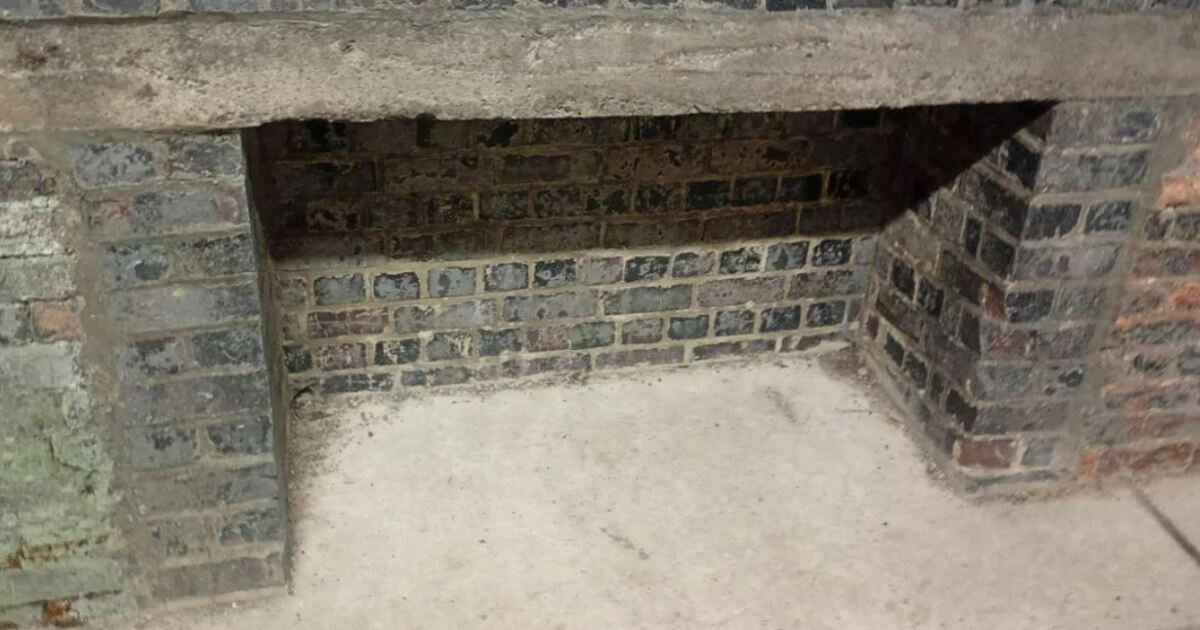
source: Reddit
If you take a stroll through an old rail tunnel, you may see rectangular impressions carved into the brick walls. They may seem fireplaces, storage spaces or doorways at first sight. But in most cases these small alcoves served a much larger purpose.
These were shelters from oncoming trains, created for track workers to have somewhere to stand.
Keeps workers away from trains with railway tunnel refuges
In addition, railway lines had to be inspected and kept in working order on a regular basis. Teams of workers would walk the tracks, checking rails, sleepers, drainage brickwork and other parts of the line. But for an open-top railway, they would normally be able to get off the tracks on approach of a train. In the tunnel however, it was a different story.
Many times the tunnel walls are too close to the trains that move inside meaning there is little safe room away from it on one side. To solve the problem, Engineers made little pockets in the walls. A worker could enter one, wait for the train to pass, and then move on along the track.
These shelters were not intended to be convenient. They only bought enough depth to make sure that someone could sit safely outside the line of the train. Which explains why most surviving examples look surprisingly compact.
For what its worth, a Steam Train is coming through
When envisioning the tunnel when steam was king, it helps to understand the purpose. Where there had been a quiet path, there would instead have been rails, sleepers, ballast, wet bricks and sometimes soot from locomotives.
An operator inside the tunnel might detect a distant roar or feel tremors in the tracks. Once the train got closer, it would be a busy race. It would go to the nearest refuge, and…go inside.
And then the loco and its carriages would rumble by. In a little brick tunnel, the racket must have been deafening. After the final carriage had faded into the distance, the worker could emerge again and resume to work.
Why Were There Several Recesses?
In some cases, one refuge simply wasn’t enough for long tunnels. It wasn’t realistic for workers to jog over to the opening every time a train showed up, so railroads constructed these alcoves periodically throughout the tunnel.
A set of these would have different sizes, spacing and position. As with the tunnels, some had little refuges on both sides while others came off looking more uniform in layout. Knowing what they were up to makes all the little repeat openings in an aged stretch of old tunnel wall seem that much more sensible.
These are a prime example of the ways railway engineers designed with their line maintainers in mind, not only the locomotives running on them.
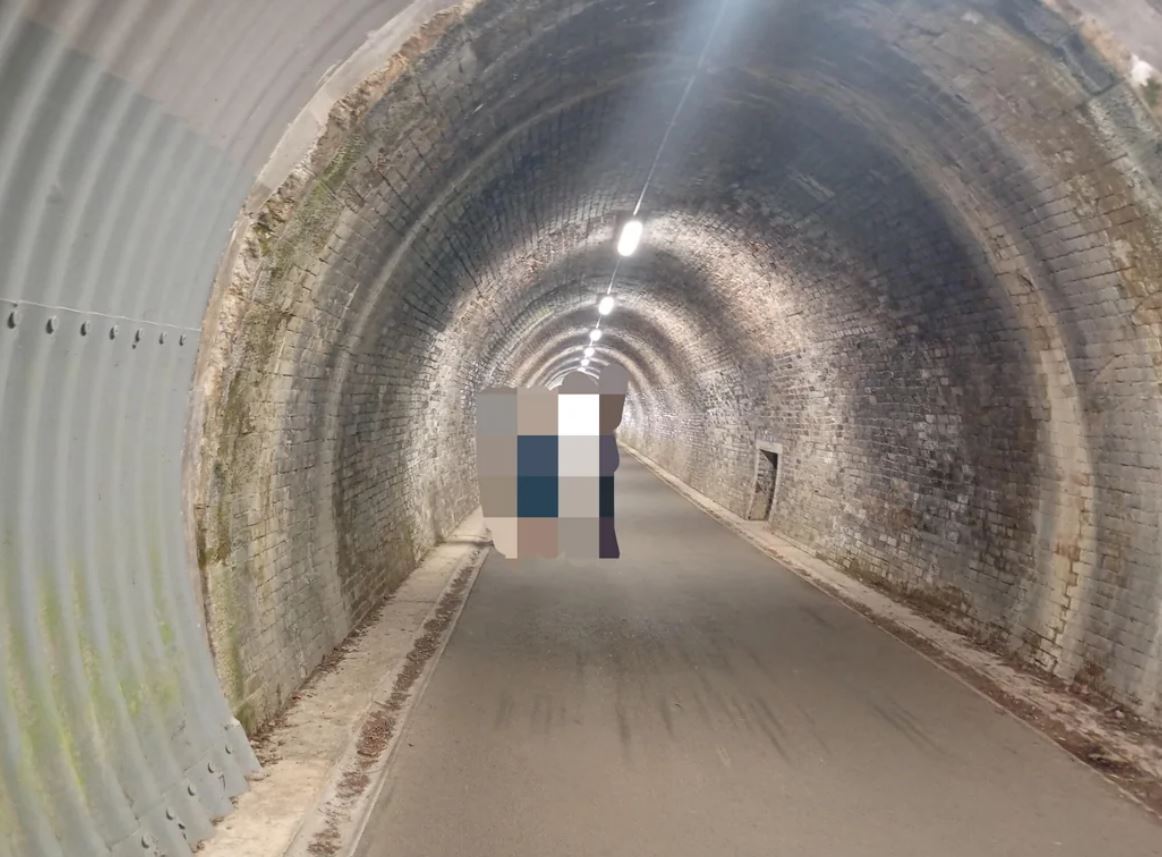
Every recess similar to not every other, though
It’s also worth noting that not every hole in a railway tunnel was necessarily a workers’ sanctuary. In addition to trains, space was needed for tools, signalling equipment, cables, drainage systems, lamps and other maintenance equipment.
More massive chambers might have been used for storage or as workshops. Refuges, meanwhile, are more commonly recessed with smaller human-sized recesses next to old track.
But without the original plans of the tunnel, it’s hard to pin down everything with complete confidence. Nevertheless, railway tunnel refuges were commonlyimplemented and are evident in many extant tunnels.
A Simple Feature With the Human Story
Steam locomotives, large stations, bridges and viaducts are how people remember the old railways. But the other pillar of system relied on workers to check and repair tracks.
Some of those positions might have dirty, tough, and hazardous jobs. It brought workers face to face with darkness, moistness, soot, sound and trains passing. Thus, a simple recess in the brickwork could be vital to keep them safe.
These little spaces are all the more interesting as they were originally created at a human scale. We know about engineering from a large tunnel. It speaks to the kind of care provider that works within a refuge.
Just at the edge of your imagination, you can visualize either one of them standing with tools, waiting for a train to roar by just yards away.
A reminder of the railway’s working history
These days, an abandoned tunnel may be quiet and nearly hollow. But glimpses, from drainage channels to soot-blackened bricks to rusty cable brackets and terminal refuges in the railway tunnels, pepper the area with evidence of how busy it used to be.
Those little indentations were neither aesthetic nor disregarded closets. They were useful safety features for the people that kept the railway in operation.
So it really pays off to take a closer look, when you find one in an old tunnel. Over a century ago, an old railway worker may have stood in that exact spot waiting for the rumble of an approaching freight train to fade enough that he could jump back onto the tracks.