Why Are Plastic Discs Washing Up on Italian Beaches?

January 25, 2025

Source: Anoxkaldnes

Picture this: you’re taking a peaceful walk along the beach near Rovigo, Italy, expecting nothing but sand between your toes and maybe a few seashells to collect. Instead, you find thousands of black plastic discs scattered everywhere, like tiny Pringles tossed by the tide.
For weeks, these strange objects have been piling up along the shoreline, leaving locals puzzled and worried. What are they? Where did they come from? And why are there so many of these plastic discs?
The answer is surprising: these discs are actually biofilter media—tools used in wastewater treatment. Their presence on the beach is no accident, but rather the result of a spill or system failure.
What Are Biofilter Media?
While they might look like trash, these little plastic discs have a pretty important job. Wastewater treatment plants use them to clean water. The discs are designed with ridges and grooves, giving bacteria a cozy place to grow.
Why bacteria? Because they’re nature’s cleaners. These microorganisms break down organic waste in the water and make it safer before releasing it back into the environment. Think of the discs as tiny apartment buildings for hardworking microbes.
When everything runs smoothly, the discs stay inside the treatment tanks where they belong. But when something goes wrong—like a spill or equipment failure—they can escape into nearby waterways. Once they’re loose, there’s no telling how far these plastic discs will travel.
How Did They End Up on the Beach?
Most likely, the discs came from a nearby wastewater treatment plant. A containment system could have failed, or maybe an overflow pushed them out into a river or the sea.
Once they’re in the water, these lightweight discs are at the mercy of the currents. They’re designed to float, so they can travel for miles before washing up on a beach. And that’s exactly what happened near Rovigo.
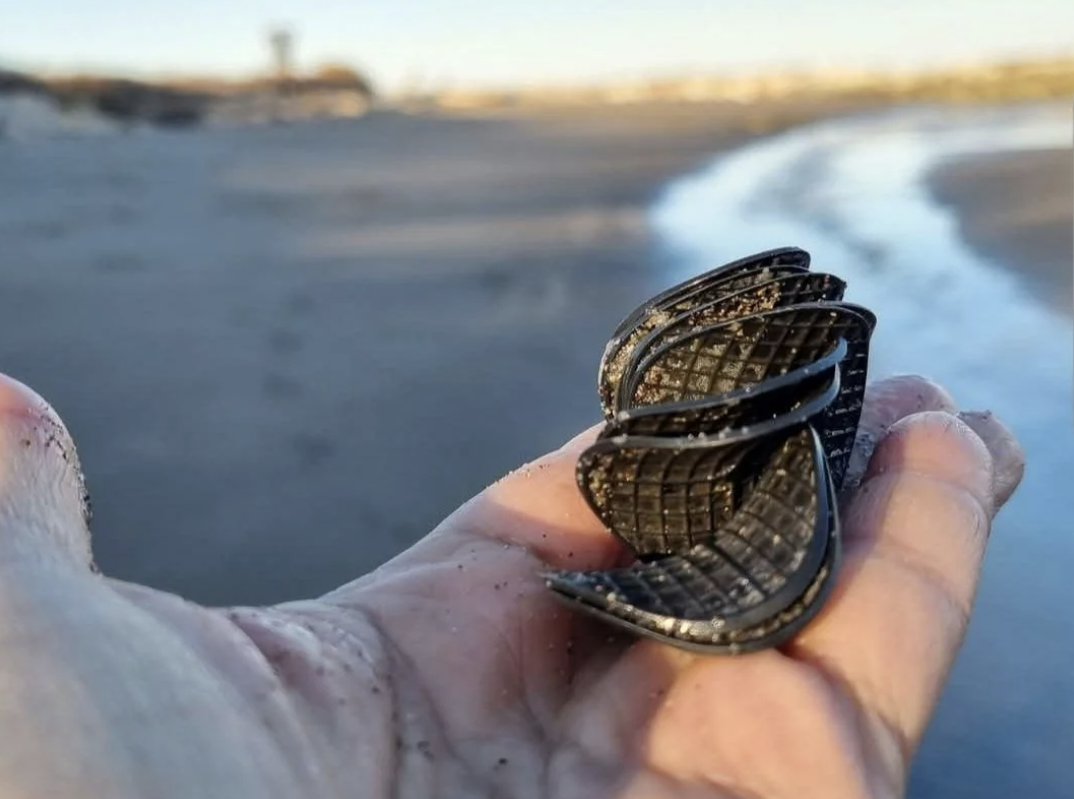
Unfortunately, this isn’t the first time something like this has happened. Similar spills have been reported in other countries, like Norway and the UK, where people found beaches littered with plastic discs.
Why This Matters
At first glance, these little discs might seem harmless. They’re small, lightweight, and not immediately threatening. But their environmental impact is much bigger than it seems.
- Plastic Pollution: Like all plastic, these discs don’t break down easily. Over time, they’ll fragment into microplastics, which are incredibly harmful to marine life.
- Wildlife Risk: Birds, fish, and other animals might mistake the discs for food. Eating them can cause blockages or even death.
- Ecosystem Disruption: These man-made objects don’t belong in natural ecosystems. Their presence can disrupt the delicate balance of marine and coastal environments.
This is more than just a cleanup problem—it’s a reminder of how fragile our environment is and how easily plastic discs from human-made systems can spill over into nature.
What’s Being Done?
The good news is that people are already taking action. Local environmental groups and volunteers are working to clean up the beaches, collecting as many discs as possible before they cause further harm.
Authorities are also investigating the source of the spill. If they can trace the plastic discs back to a specific wastewater treatment plant, they’ll likely enforce tighter regulations to prevent this from happening again.
For now, if you come across these discs while walking on the beach, the best thing you can do is report them to local officials. Cleanup efforts depend on knowing how far the spill has spread, and every little bit of information helps.

A Lesson in Environmental Responsibility
There’s something strangely unsettling about seeing thousands of plastic discs scattered along a pristine beach. They’re a clear reminder that even small industrial accidents can have a huge impact on the environment.
But there’s also a silver lining here. Incidents like this tend to bring people together—whether it’s volunteers cleaning up the beaches, scientists studying the problem, or local authorities working to fix it. These moments remind us that protecting the environment is a shared responsibility.
So, next time you’re walking along the shore and see something unusual, take a closer look. Whether it’s a strange plastic disc or another odd object, it might just be part of a bigger story—one that reminds us how connected we are to the world around us.