This Ancient Secret Has Survived For Thousands Of Years

November 28, 2026
source: Reddit
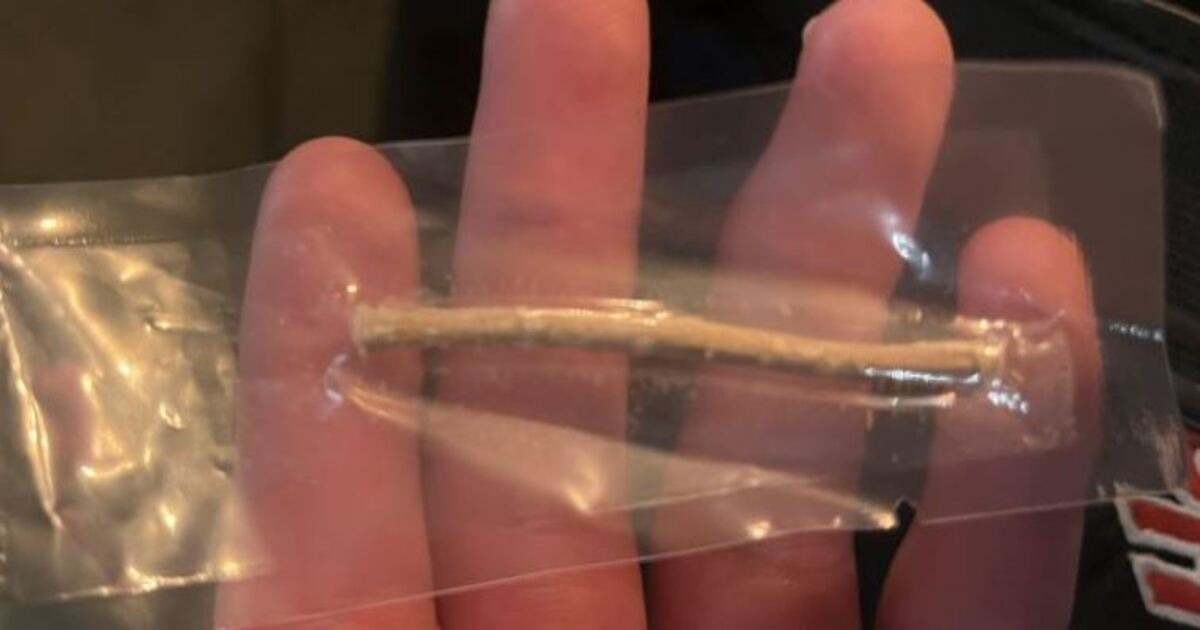
Long before plastic toothbrushes and mint-flavored toothpaste became part of everyday life, people had a much simpler way to clean their teeth. They used a small wooden stick called a miswak.
At first glance, it looks like an ordinary twig. Yet this little piece of wood has helped people care for their teeth for thousands of years.
The ancient miswak toothbrush required no toothpaste, batteries, or fancy equipment. People simply softened one end of the stick and used its natural fibers to brush their teeth.
And perhaps the most surprising part? People still use it today.
What Exactly Is a Miswak?
A miswak is a natural tooth-cleaning stick, usually made from the Salvadora persica tree, also known as the toothbrush tree.
This tree grows in parts of Africa, the Middle East, and Asia. For generations, people have used its twigs and roots to keep their teeth clean.
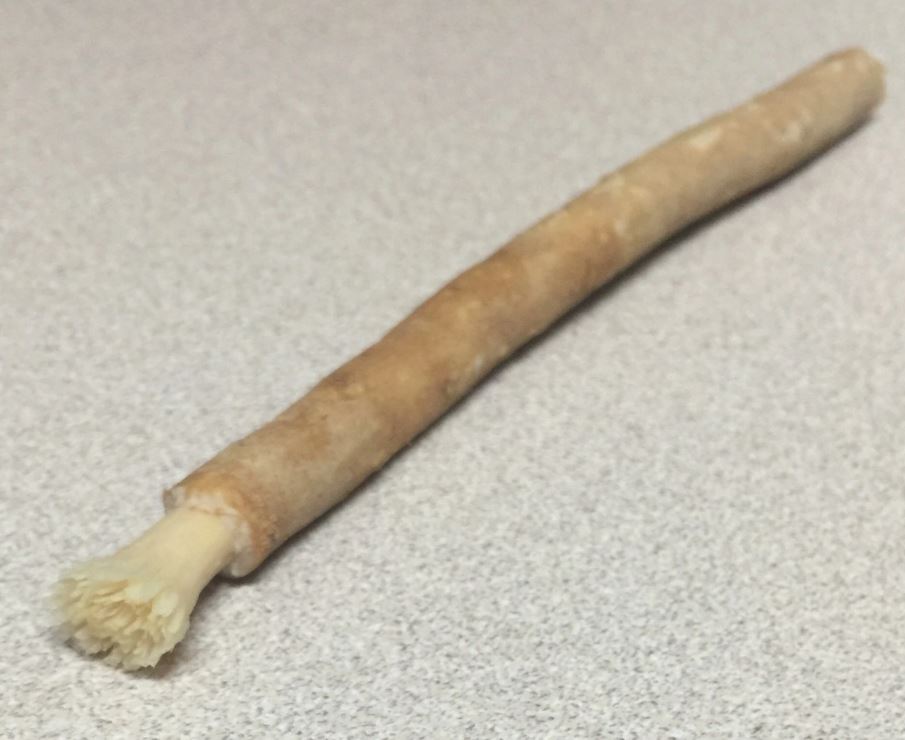
Unlike a modern toothbrush, the miswak has no separate handle or brush head. The entire tool comes from a single piece of wood.
When someone chews one end, the wood separates into thin, soft fibers that work much like toothbrush bristles.
It was simple, inexpensive, and easy to carry around. No wonder it remained popular for so long.
How Did People Clean Their Teeth Before Toothbrushes?
Using an ancient miswak toothbrush was surprisingly straightforward.
First, people peeled away a little bark from one end of the stick. Then they chewed the exposed wood until it became soft and brush-like.
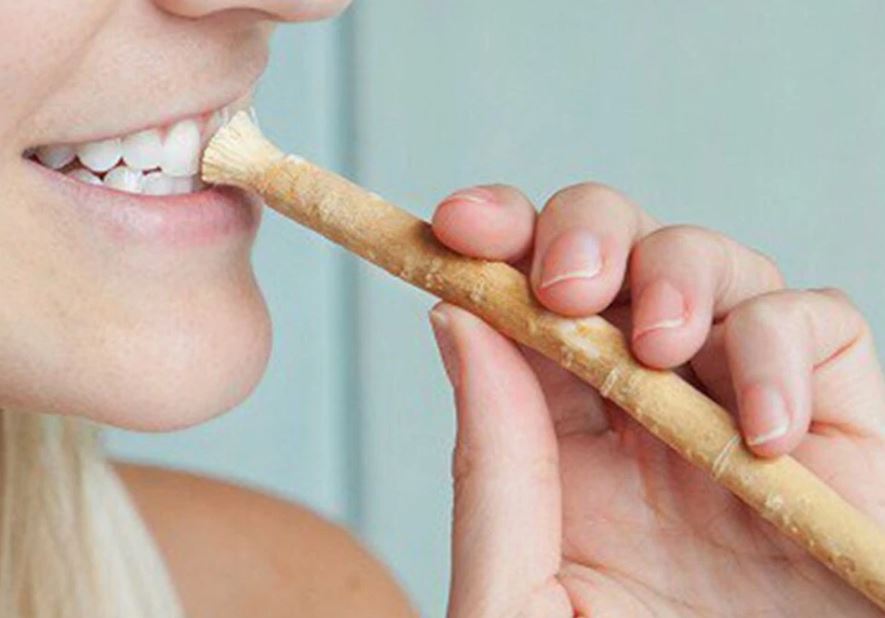
Once the fibers separated, they gently rubbed them against their teeth and gums to remove food particles and plaque.
When the fibers wore out, they simply cut off the old tip and prepared a fresh one.
There was no need for toothpaste. The wood itself contained natural compounds that researchers have since studied for their potential oral health benefits.
Imagine cleaning your teeth with something taken directly from a tree instead of bought from a supermarket.
For countless generations, that was completely normal.
The Ancient Miswak Toothbrush Has a History Thousands of Years Old
People cared about clean teeth long before modern dentistry existed.
Ancient civilizations used chewing sticks, twigs, and plant fibers to clean their mouths. The miswak became especially common in the Arabian Peninsula and surrounding regions.
Its use predates Islam, but the tradition later gained particular importance in Islamic culture. The Prophet Muhammad encouraged using the siwak, another name for the miswak, making it an important part of daily hygiene for many Muslims.
Over the centuries, families passed down the habit from one generation to the next.
Parents taught their children how to prepare the wooden stick, while adults carried one for cleaning their teeth throughout the day.
Unlike many ancient household tools, the miswak never completely disappeared.
Before Plastic Toothbrushes, Nature Provided the Bristles
Today, most people reach for a plastic toothbrush without giving it much thought. However, the familiar toothbrush developed gradually over centuries.
Early bristle toothbrushes appeared in China. Manufacturers used animal hair for bristles and materials such as bone or wood for handles.
By the late 1700s, commercial toothbrush production had begun in England, although these products were far less common than they are today.
In 1938, nylon-bristle toothbrushes appeared, helping shape the modern designs we recognize.
Meanwhile, people continued using miswak sticks, just as earlier generations had done.
Nature provided both the handle and the bristles, without the need for complicated manufacturing.
Did Miswak Actually Keep Teeth Clean?
It might seem strange that a wooden stick could clean teeth effectively, but research suggests that miswak can help remove dental plaque when used correctly.
Its fibers physically clean tooth surfaces, while naturally occurring compounds in the wood may offer additional oral hygiene benefits.
Some studies have found that miswak can control plaque as effectively as a regular toothbrush under certain conditions.
However, proper technique matters. Modern dental care also emphasizes fluoride toothpaste and cleaning between the teeth to help prevent cavities.
Still, the fact that people developed such a practical cleaning method centuries before modern dentistry is impressive.
They might not have understood bacteria or dental science, but they knew that keeping their teeth clean mattered.
Why Do People Still Use Miswak Today?
Many old-fashioned household items have disappeared. Washboards gave way to washing machines, oil lamps were replaced by electric lights, and countless traditional tools became things of the past.
But the miswak survived.
People still use it across parts of the Middle East, Africa, and Asia. You can find it in markets, small shops, and even modern packaging designed for convenience.
For many, it represents more than a way to clean their teeth. It connects them to family habits, cultural traditions, and religious practices that have continued for centuries.
And there’s something fascinating about using essentially the same simple tool that people relied on so long ago.
A Small Reminder of How Resourceful People Used to Be
The ancient miswak toothbrush reminds us that not every useful invention needs complicated technology.
People in the past learned to make practical tools from the natural materials around them. They discovered which plants worked best and passed that knowledge down through generations.
The miswak also challenges the idea that people long ago didn’t care about personal hygiene. They simply had different ways of looking after themselves.
Today, we have electric toothbrushes, fluoride toothpaste, and endless dental products. Yet this humble wooden stick continues to serve the same purpose it did thousands of years ago.
Sometimes, the simplest ideas really do stand the test of time.
And the next time you pick up your toothbrush, remember that long before plastic handles and nylon bristles, people had already found a clever way to clean their teeth.