The Pocket-Sized Clue Behind A Classic Everyday Mystery

February 27, 2026
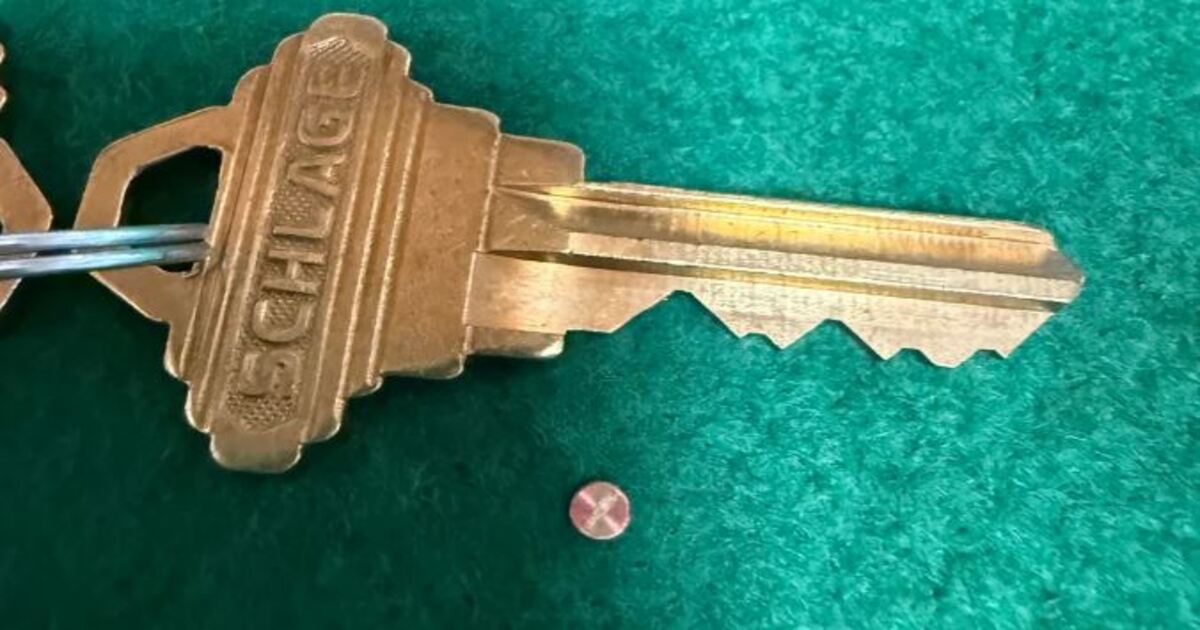
source: Reddit
The metal disc can appear to be nothing more than pocket junk at first. Nonetheless, small pieces are often big contributors to how older style machinery works. For example, within many buildings, a little helper, known as the master key lock pin, operated quietly behind the scenes in schools, apartment complexes, churches and office settings. It enabled the use of multiple keys to unlock different doors. At the same time, it allowed a single master key to unlock most of those doors.
Function of Master Key Lock Pin
Most older door locks are made using the pin-tumbler style. Within the lock’s cylinder, the pins sit stacked together and prevent the plug (which houses the lock’s turn mechanism) from rotating. When the appropriate key is inserted into the lock, the cuts on the key push each stack of pins to a specific height. As a result, all of the stacks meet at the “shear line.” When this occurs, the plug will rotate and the lock will open.
Master keying simply involves adding another method of operation to the existing pin-tumbler lock. The building owner needs a type of tenant key which unlocks only their particular unit. In addition, a master key will allow access for maintenance and/or property management personnel. This is typically achieved by adding an additional component into the existing pin stack. These types of components are often referred to as a “master key lock pin” (and sometimes referred to as a “master pin,” “spacer,” or “wafer”), although the actual name used will depend upon the lock design.
Adding the new component creates a second acceptable shear line. In other words, the lock recognizes more than one acceptable key height. Although a very basic mechanical concept, it provides much easier and less confusing operations. This is important when numerous doors and individuals occupy the same building.
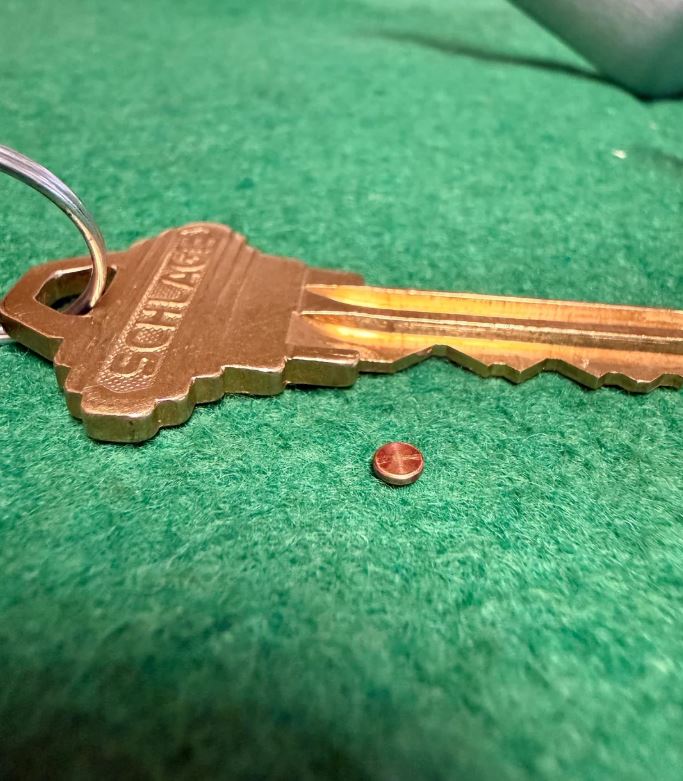
Why it may appear as a small disc
Typically, when people think of lock pins, they envision a small cylinder. While this is often the case, due to variations in manufacturer and model lock designs, some configurations may utilize spacer-type components. These components resemble discs when removed from their original configuration. Regardless of the appearance of the component, its function remains the same: to create an additional operational shear line for a master key system to perform its intended functions.
An Older Solution that Simply Worked
Practical older design is what master key systems represent, perhaps better than anything else. They did not have batteries to worry about, nor codes to enter, nor signals to receive. Rather, they depended upon carefully pinned lock mechanisms, quality brass keys and the distinct sound produced when the correct key was turned.
Therefore, even if a master key lock pin appears to be small enough to be lost in a pocket or on the ground, it represents something greater. It stands for the simple, logical mechanics that contributed to the smooth daily operations of older buildings. These results were accomplished utilizing no more than metal, springs, and know-how.