The Mystery of the Tiny Back Pocket

March 9, 2025
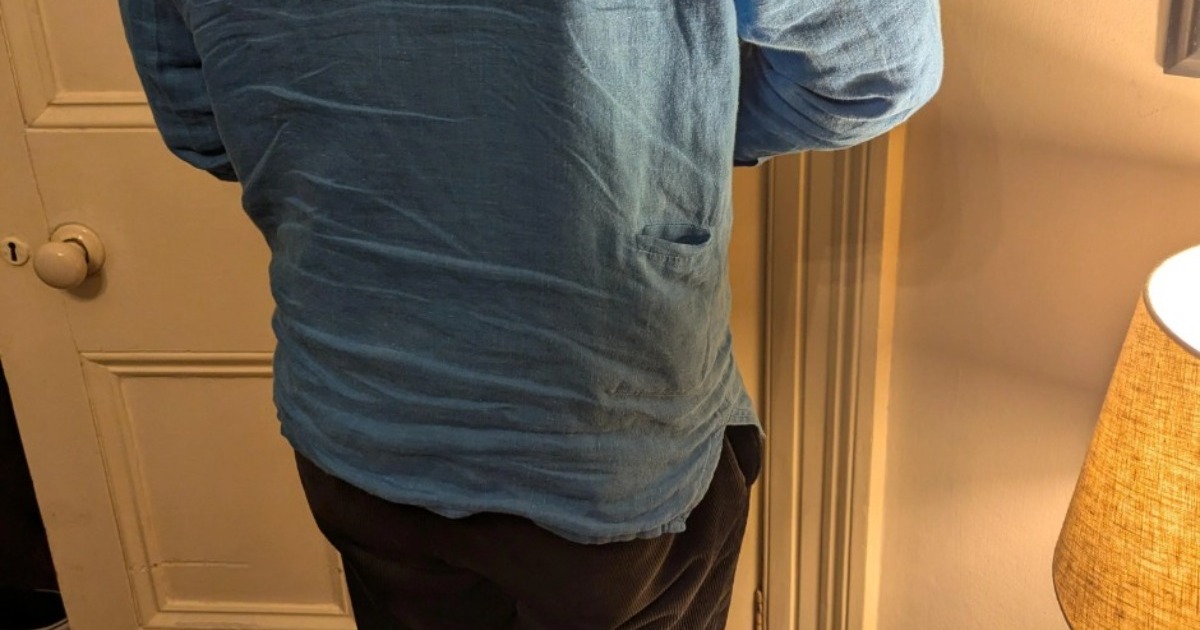
Source: Reddit
Have you ever noticed a tiny, seemingly useless pocket on the back of a shirt? It’s too small to hold anything practical—maybe a single key at best. At first glance, it might seem like a quirky design choice. But in reality, it’s a strategic move to outmaneuver international trade tariffs. Welcome to the world of tariff engineering, where fashion meets financial loopholes. This tariff loophole shirt design is a fascinating example.
A Pocket with a Purpose—But Not What You Think
Unlike traditional shirt pockets, which serve practical purposes, this small back pocket isn’t meant for storage. Instead, it exists because of a trade classification rule. Many countries impose different tariffs on clothing depending on their category. By adding this small detail, manufacturers can shift a shirt’s classification into a lower-tax bracket, saving on import duties. This tariff loophole shirt design is a clever strategy.
For example, in the United States, the government taxes certain shirts at a higher rate than other garments with specific design features—such as additional pockets. By incorporating a tiny, functionally irrelevant pocket, manufacturers can legally reclassify a shirt into a lower-tariff category. This reduces costs significantly when imported in bulk. This tariff loophole shirt design tactic is highly effective.
Tariff Engineering: A Common Industry Tactic
This isn’t the first time businesses have found creative ways to sidestep trade regulations. Here are some other famous examples of tariff engineering:
- The Chicken Tax Workaround – A 25% tariff on imported light trucks led automakers to temporarily install rear seats in cargo vans. They did this to classify these vehicles as passenger vehicles to avoid the higher tax.
- Sneaker Sole Shenanigans – Some shoes have been imported with extra-thick soles. This was done to qualify them as slippers rather than athletic footwear, reducing tariff rates.
- Cereal Box Tricks – Companies have slightly altered the packaging of food products. They did this to avoid certain import taxes tied to weight or labeling requirements.
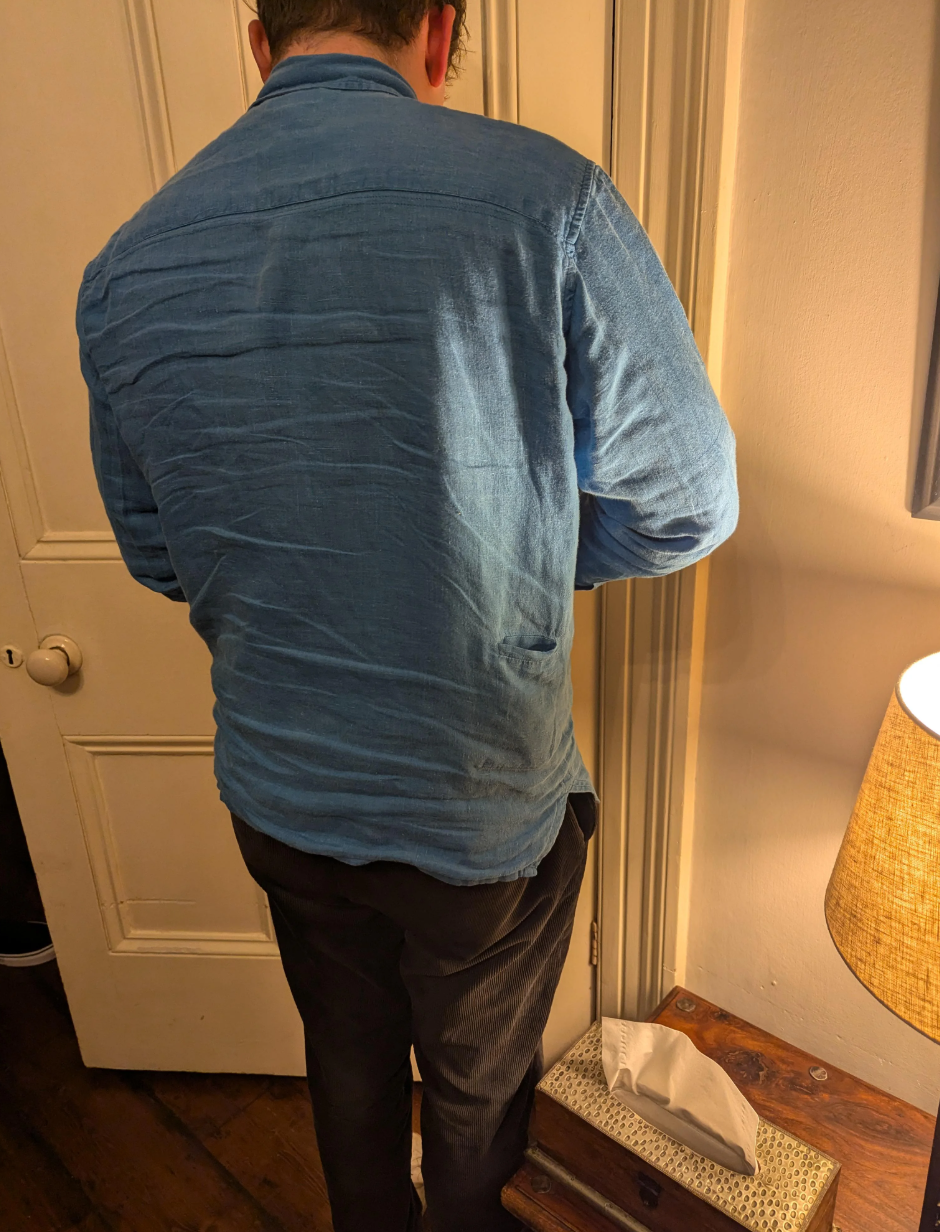
In the case of the tariff loophole shirt design, the pocket’s only real purpose is to serve as a bureaucratic technicality. This ensures that the garment falls into a tariff-exempt or lower-tax category.
A Fashion Quirk or a Smart Business Move?
For the average consumer, this tiny pocket might seem like a bizarre mistake in shirt design. But for companies importing thousands—or even millions—of shirts, these small adjustments lead to massive savings. What appears to be a simple stitch is actually a deliberate, well-calculated strategy to outmaneuver trade regulations. This tariff loophole shirt design may seem strange, but it’s highly effective.
So next time you spot an oddly placed, functionally useless pocket on a shirt, you’ll know the secret. It’s not a fashion statement—it’s a financial loophole! And in the world of global trade, every stitch counts.