A Very Strange Beach Find

August 18, 2026
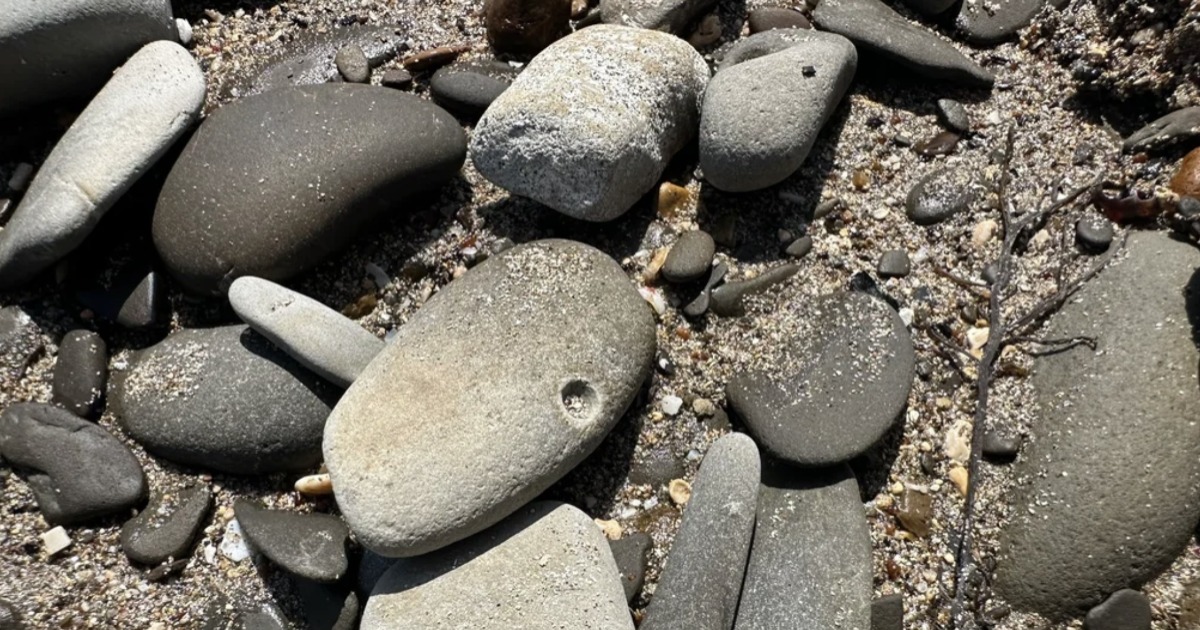
Source: Reddit
A smooth beach pebble with a clean hole through the middle can look drilled by hand. In many cases, though, nature did the work. These stones are often called hag stones, and some may form from burrows created by piddock clams.
What Is a Hag Stone?
A hag stone is a naturally perforated stone. People have also called them holed stones, witch stones, and adder stones.
Their unusual shape made them part of folklore for centuries. People once carried them as charms or hung them near homes and animals for protection.
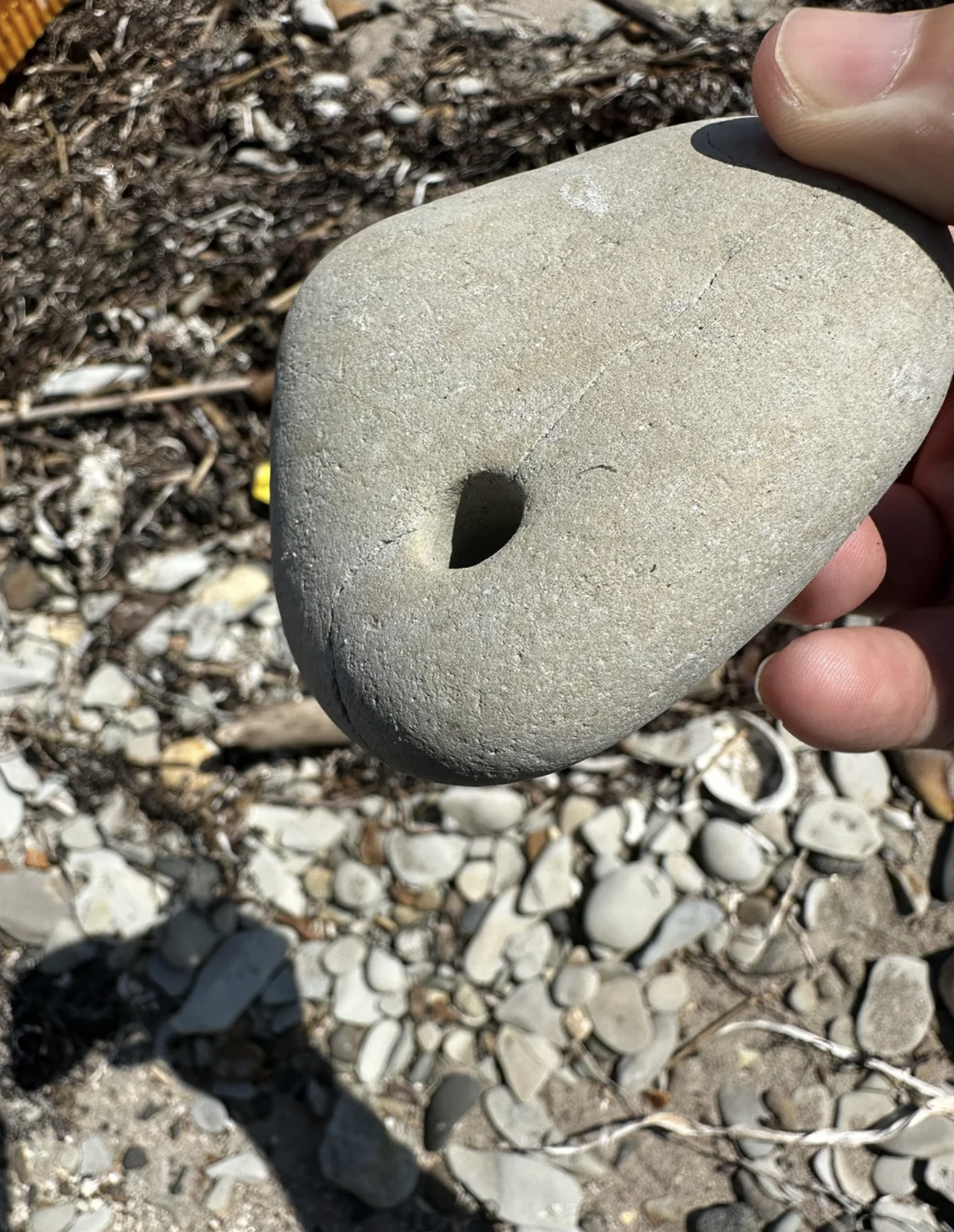
How Piddocks Make Holes
Piddocks are marine bivalves that can bore into relatively soft rock.
They use ridged shells and strong muscular movement to scrape away material. Over time, they create a protected burrow in rock such as shale, clay, or sandstone.
The hole may start small and widen deeper inside as the clam grows.
How the Hole Opens
After the clam dies, the empty burrow remains.
Waves, sand, and other stones slowly wear down the surrounding rock. If enough material erodes away, the old burrow can open completely through the stone.
That process can leave a smooth pebble with a neat hole that looks almost man-made.
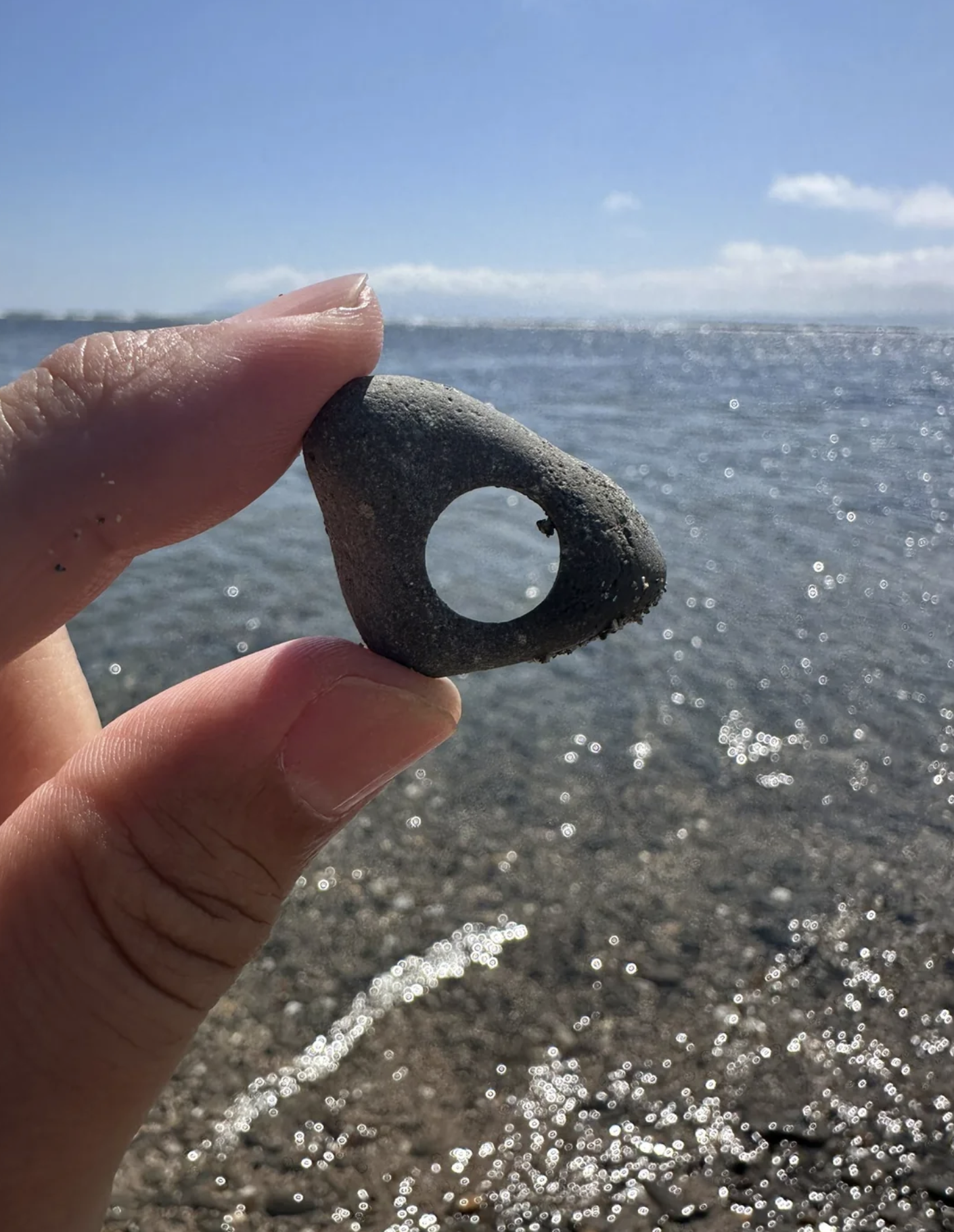
Why They Look Drilled
Piddocks bore in a repeated motion, which can create fairly regular openings.
Wave action then rounds the edges and smooths the surface. The result can look surprisingly precise.
Natural holes may still show small clues. They can taper, widen inside, or have slightly uneven walls.
Hag Stone Folklore
Hag stones became linked with protection and good luck in British folklore.
One old belief claimed that looking through the hole could reveal things hidden from normal sight. Later stories connected them with spirits, witches, and fairies.
The strange appearance of the stones likely helped those stories survive.
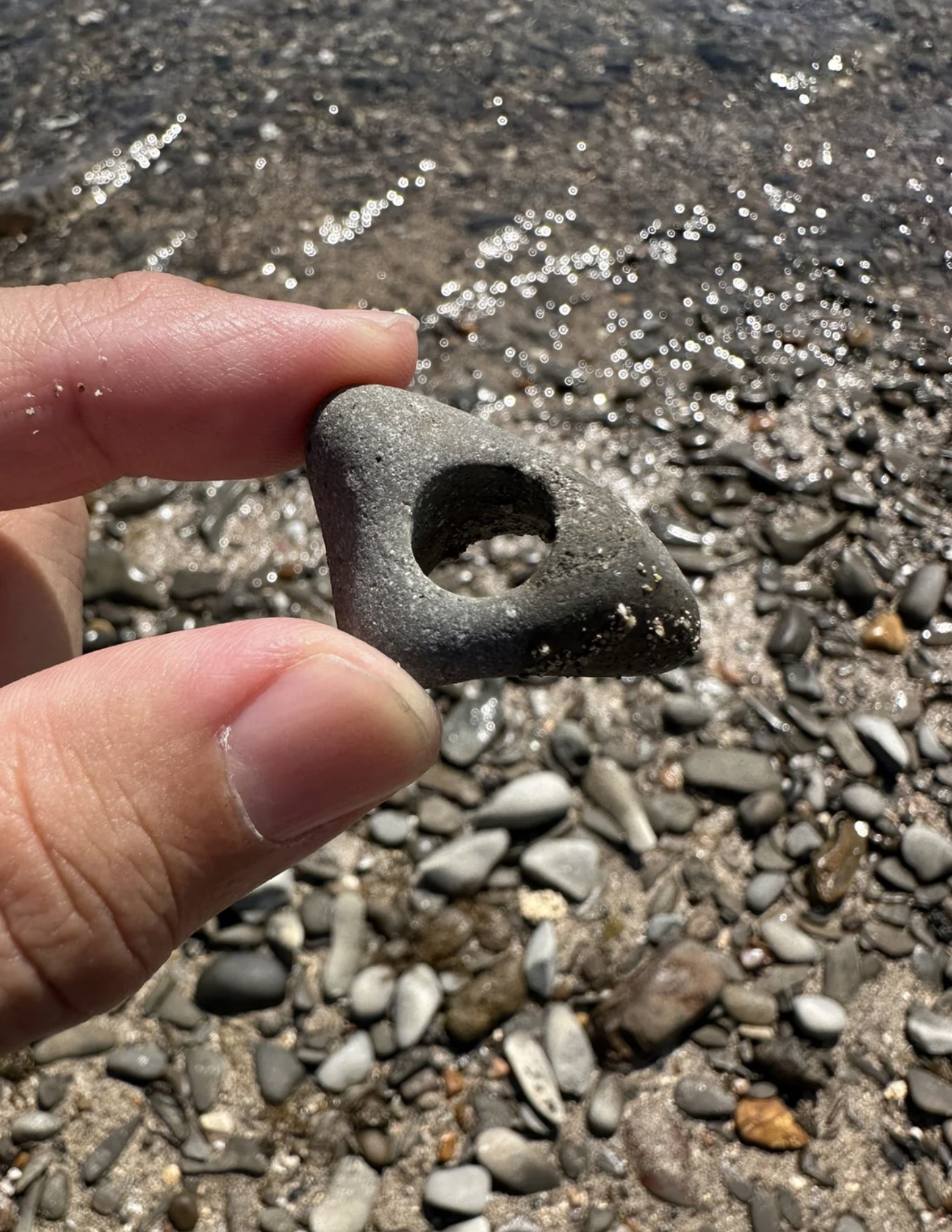
A Small Coastal Relic
A hag stone can record two natural processes at once.
First, a piddock clam may have carved a burrow into the rock. Then the sea reshaped that rock over time.
That makes these stones more than unusual beach finds. They are small pieces of marine and geological history.
If you find one with a smooth, natural-looking opening, you may be holding one of many piddock hag stones shaped by a clam and finished by years of wave action.